Which is the largest STP in Asia?
The question of which sewage treatment plant stands largest in Asia matters for city health and river clean up. People watch these projects because they shape how cities handle wastewater and protect water bodies. We will explain the largest plant and its features. We are the leading sewage treatment plant manufacturer, and choosing a proven manufacturer matters for long-term results.
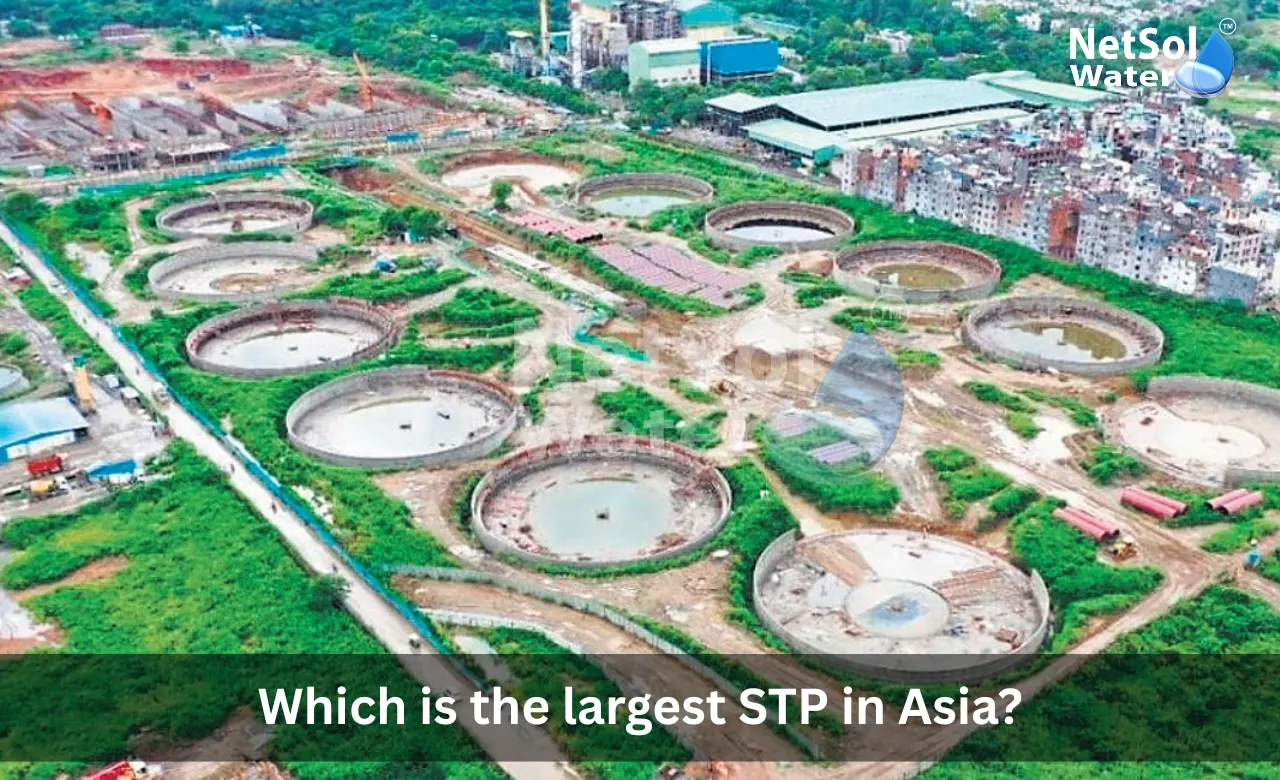
Okhla Sewage Treatment Plant
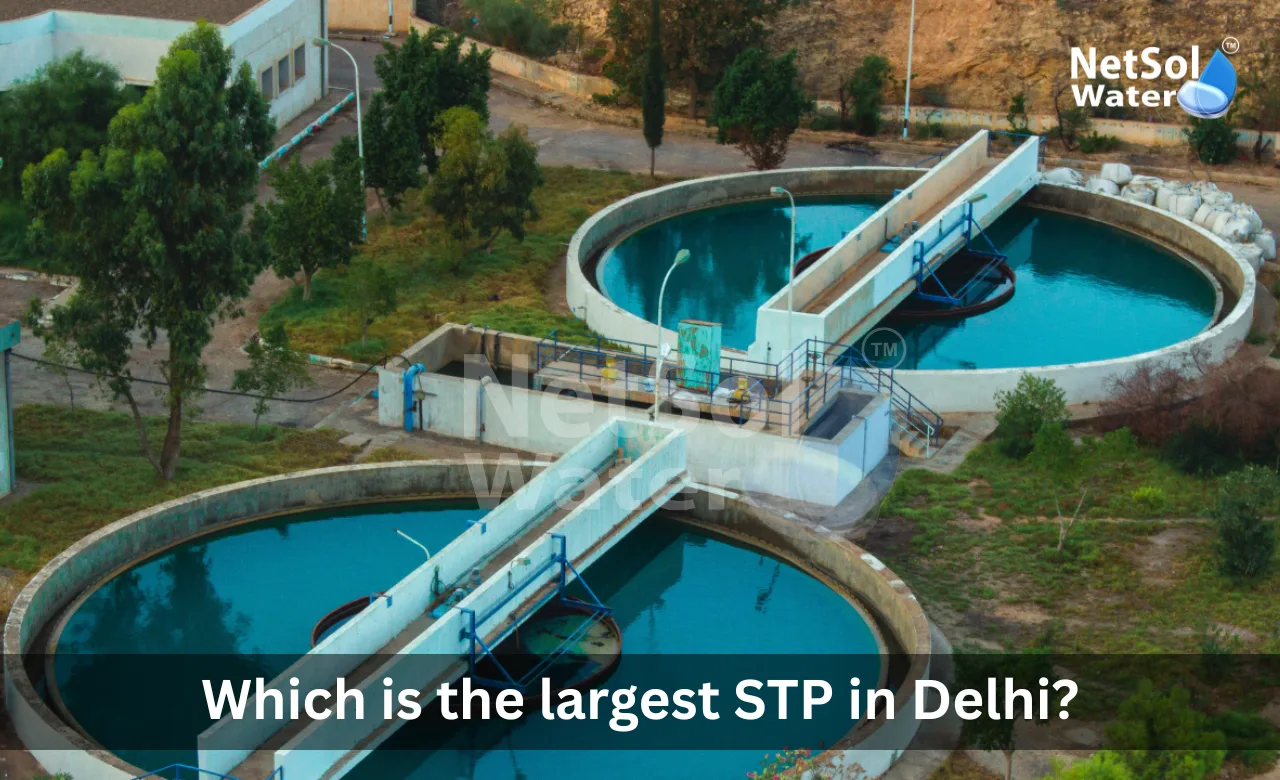
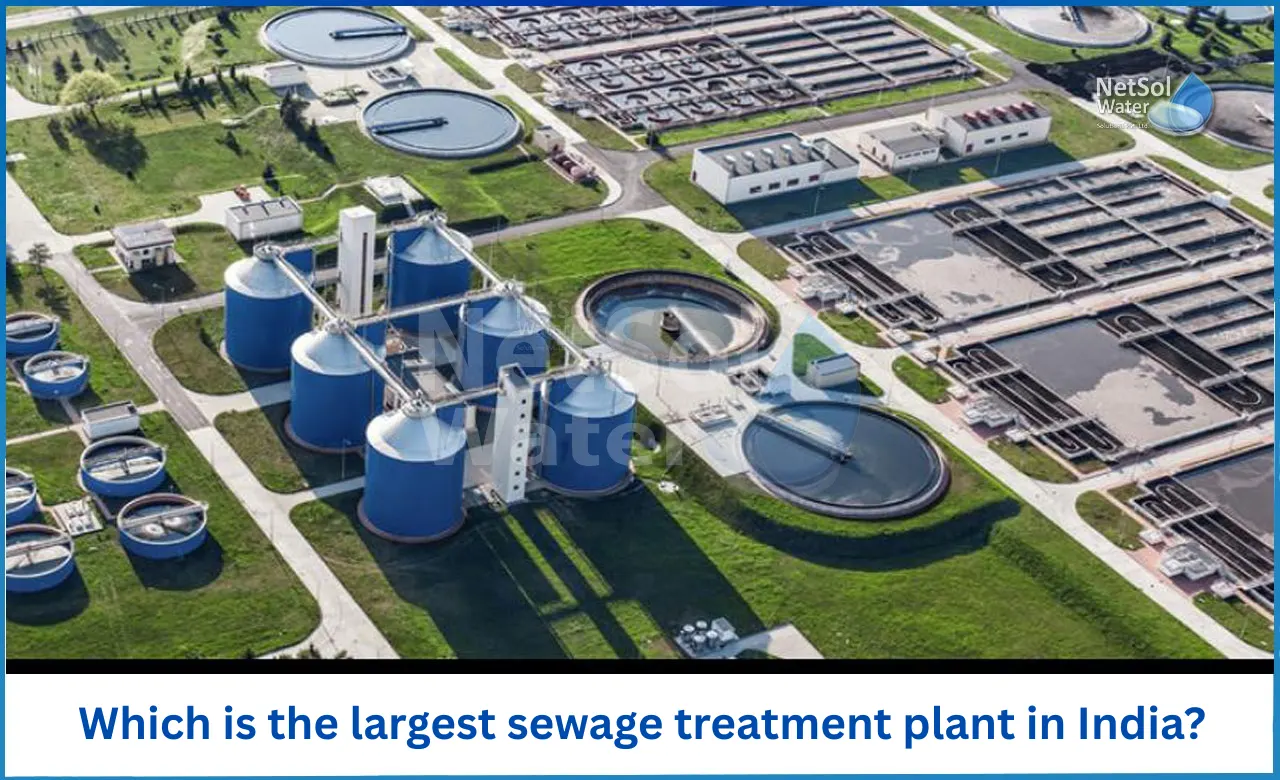
The Okhla complex now combines several older units into one new plant with a total capacity of about 564 million litres per day. This makes it the largest single capacity STP in Asia by volume. The new work replaces older units at the site and sets a higher standard for treated water quality. The project serves large sections of South Central and Old Delhi. The scale alone lets the city treat far more sewage close to the source. This reduces the load that reaches the Yamuna River and cuts the chance of raw sewage entering the river. Large plants like this also free up space and lower the cost per litre of treatment compared with many small units.
Technology and sustainability
The Okhla plant uses modern disinfection and automated control systems to meet high-quality targets. It applies UV disinfection to remove pathogens, and it uses automated monitoring to keep process steps steady. These systems cut the need for manual checks, and they help keep treated water within strict limits. The plant also uses biological and mechanical steps to remove solids and nutrients. The treatment train aims to produce high-quality effluent that can be reused for non-drinking needs. This reuse helps save fresh water for people.
Energy from sludge adds to sustainability. The plant captures biogas and uses it to run plant equipment. That step reduces grid power use and lowers emissions. Reports show the facility generates several megawatts of green power from its sludge to cover part of its needs. The plant also treats sludge to a quality that can be used as manure. That step closes a loop and reduces waste. Together these features make the plant a stronger model for big-city treatment.
Yamuna River — impact on Delhi and the river
The Okhla plant can add treated water to the Yamuna flow and so help improve the river condition inside Delhi. Officials plan to divert part of the high-quality treated stream downstream of the Okhla Barrage. That move aims to raise the environmental flow and cut pollution in areas that face heavy froth and low oxygen. By sending cleaner water downstream, the plant reduces the direct sewage load on the river. The project also frees up water that cities can use for gardening and industry. That step lowers demand on drinking water supplies.
The plant serves about four million people in its service zones. That reach means fewer raw discharges from homes and businesses in those neighborhoods. The large treated flow also lets the city plan pipelines to move water where it is needed. The project fits with wider national programs to clean major rivers. When a big plant runs well, it gives steady treated output that planners can use to improve river health and city reuse.
History and how it compares with Bharwara STP
For many years the Bharwara Sewage Treatment Plant in Gomti Nagar, Lucknow, held a record for large capacity in Asia. Its design capacity sits around 345 MLD. That plant began work in the early 2010s, and it helped set a new scale for municipal treatment. At the time Bharwara showed how cities can treat large flows at one central site. The plant also added solar power to cover part of its energy need. Over the years its story taught planners about operations and the need for steady funding and technical upkeep.
Okhla now surpasses that earlier scale by a wide margin. The new combined 564 MLD capacity at Okhla replaces multiple older units at the same site. This move reduced the footprint and improved control over nutrient removal and disinfection. The speed of commissioning and the inclusion of energy recovery mark the latest thinking in large plant design. The shift from many small units to one large unit also concentrates the skilled staff and the spare parts that keep the plant running. Cities that plan similar upgrades can learn from both the Bharwara and Okhla experiences. Good operation planning helps avoid downtime, and it keeps treated water within the desired limits.
Read some interesting information for the Effluent Treatment Plant Manufacturer in Gurgaon
Conclusion
Large plants change how cities protect rivers and manage reuse. A clear plan helps a plant meet quality goals and deliver steady treated water. Netsol Water stands as a leading sewage treatment plant manufacturer, and it can support cities that need design-build or operations help. If you want more details or a consultation about building or upgrading a plant, please get in touch. A trusted STP plant manufacturer can guide you from study to handover and help your city meet its clean water goals.
Contact Netsol Water at:
Phone: +91-9650608473
Email: enquiry@netsolwater.com