STP Plant Manufacturer - Page 2 of 2 - Sewage Treatment Plant Manufacturers

Is-STP-water-safe-for-drinking-2.webp

January 22, 2026by Netsol Water

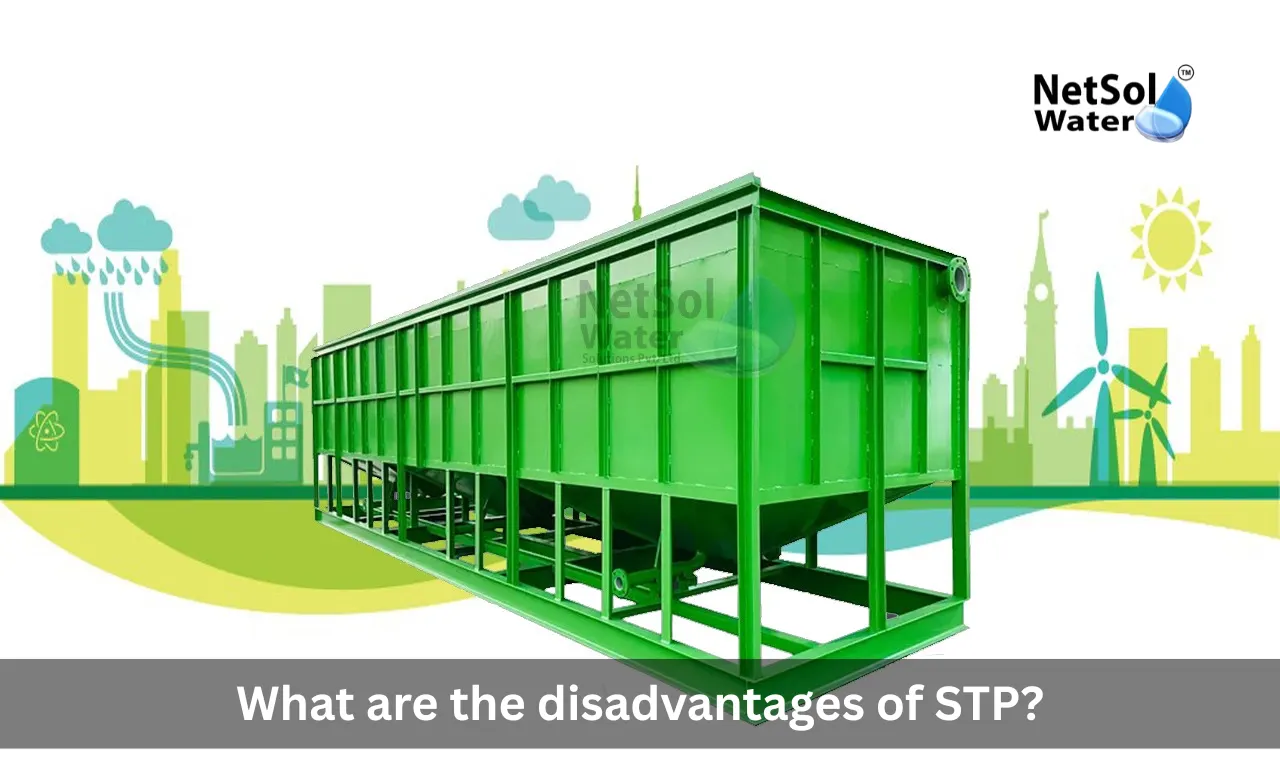
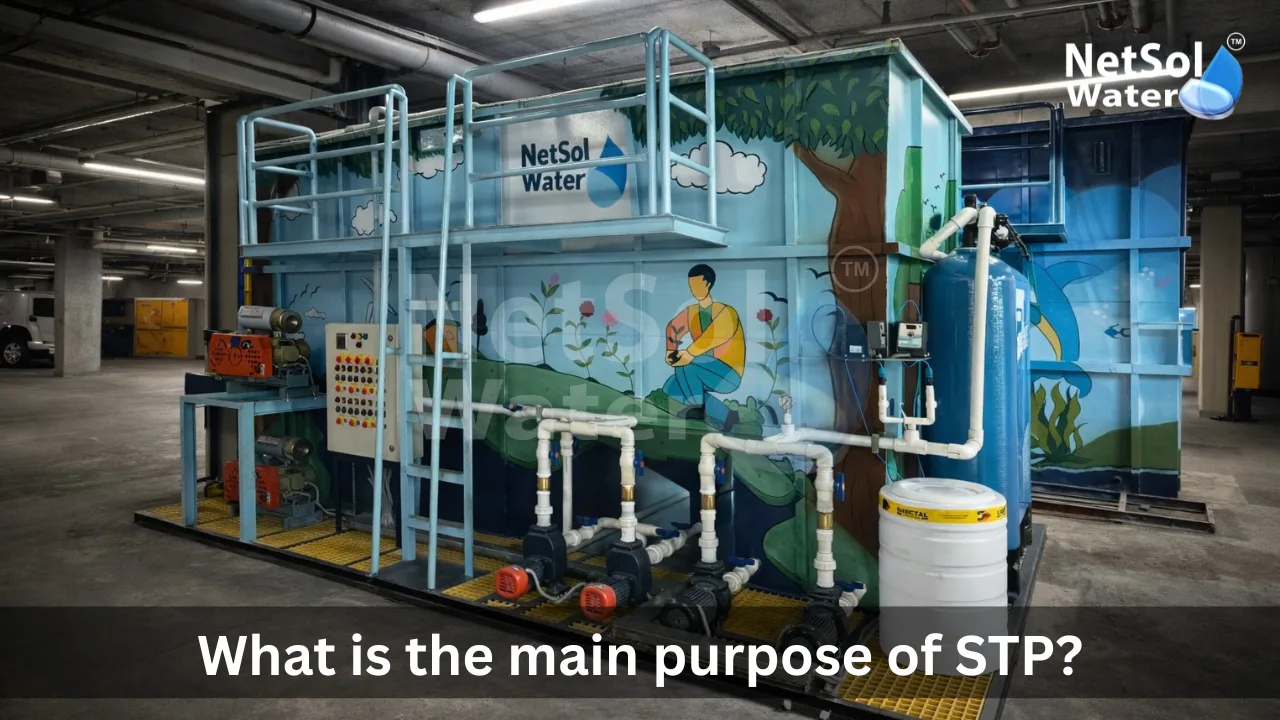
What are the disadvantages of STP?

Sewage treatment plants clean wastewater so cities, towns, and industries can protect rivers, groundwater, and public health. Urban centers and industrial hubs use these plants to meet rules and keep communities safe. People searching for a Sewage Treatment Plant Manufacturer often look for partners who can design, build, and support these plants. Netsol Water stands out as the leading Sewage Treatment Plant Manufacturer, and many clients contact them when they need design, procurement, or ongoing service. Knowing the disadvantages of STP helps owners plan budgets and pick suitable technology.

High Cost and Ongoing Resource Demands

The cost to build and run an STP shapes project budgets and long-term planning. Communities and industries must consider both the initial investment and the steady running costs before they decide. Let us have a look at some of the main financial and resource-related drawbacks.

  • Capital Investment and Financing Challenges

Owners often find the upfront cost of an STP high because it covers land, civil works, tanks, pumps, and control systems. Costs rise when local rules demand higher treatment levels or when limited space forces compact, expensive designs. A Sewage Treatment Plant Manufacturer must design to meet regulations and fit the available budget. Smaller towns and slim-margin industries often face trouble securing finance. They must compare borrowing costs with potential fines for non-compliance. These financing limits can push projects back or lead owners to accept undersized systems that underperform over time.

Lenders and public agencies may ask for detailed feasibility studies and operation guarantees. Meeting these requirements adds time and expense before construction can start. When owners cannot satisfy those conditions, they may choose cheaper options that increase operating costs later. Netsol Water helps some clients prepare financial plans, but the hard fact remains that capital costs present a major obstacle for many buyers.

  • Operating Costs, Energy, and Consumables

An STP needs electricity, chemicals, and trained staff to run. Aeration, mixers, and pumps take the largest share of energy. If a design does not match the actual wastewater load, energy use climbs and monthly bills rise. Chemicals for disinfection and sludge treatment add steady cost and need safe storage. Skilled operators cost more, but they keep the plant running well. Owners who cut maintenance or staffing to save money often face failures and higher repair bills.

Fluctuating energy prices also make budgeting uncertain. A plant that fit the budget in planning may go over budget when energy prices rise. Owners must plan for spare parts and filter replacements, which wear out with use. A Sewage Treatment Plant Manufacturer can suggest energy-saving measures, but owners still pay for upgrades. These ongoing costs mean the financial burden of an STP continues long after commissioning.

Technical Complexity and Maintenance Challenges

STPs combine biological, chemical, and mechanical steps that need careful control. Technical complexity affects reliability and final water quality. Let us have a look at some of the maintenance and technical issues owners face.

  • Need for Skilled Staff and Continuous Monitoring

Running an STP well requires trained technicians who know flow patterns, microbial health, and control systems. Many locations lack staff with that expertise. When operators do not check dissolved oxygen, pH, or sludge age, the treatment quality falls. Regular testing and tuning prevent many problems, but they demand time and money. Hiring and keeping qualified staff becomes a repeated challenge for owners who want stable performance.

Automation can reduce human error, but it does not remove the need for oversight. Sensors drift and controllers need calibration. A Sewage Treatment Plant Manufacturer like Netsol Water can provide training and automation packages, but the owner must support continuous monitoring. Without that attention, plants show inconsistent performance that harms effluent quality and may trigger regulatory action.

  • Frequent Maintenance and Risk of Mechanical Failure

Mechanical parts such as pumps, blowers, valves, and mixers undergo wear and tear. When a key part fails, the plant can lose essential functions fast. Owners who postpone planned maintenance to save money often face longer downtime and higher replacement costs. Emergency repairs also disturb other operations and can lead to fines if effluent leaves the permitted limits.

Keeping spare parts and reliable suppliers shortens repair time, but those items increase operating budgets. Remote sites face transport delays that extend outages. For industrial users, an outage can halt production and cause losses far larger than preventive care costs. The technical complexity of STPs therefore brings both direct repair costs and indirect business risk.

Environmental, Social, and Regulatory Concerns

STPs cut pollution, but they can cause new environmental and social challenges if designers or operators do not manage byproducts and community impacts. Let us have a look at some environmental and social issues linked to sewage treatment.

  • Sludge Handling, Disposal, and Reuse Challenges

STP operation creates sludge that needs treatment, storage, and final disposal or reuse. Sludge carries organic matter, nutrients, and sometimes industrial contaminants. Managing it requires dewatering, digestion, and safe disposal routes. Sending sludge to landfill raises space and leachate issues. Incineration shrinks volume but adds cost and air emission concerns. Reuse as fertilizer seems attractive, but markets and regulators demand testing and certification.

A Sewage Treatment Plant Manufacturer can include sludge handling in the plant design, but owners must commit to ongoing processing and transport. Poor sludge management creates health risks and can spark local opposition. When industries discharge toxic substances into sewers, the sludge concentrates those toxins and makes safe disposal harder. These factors make sludge management a complex and costly part of any STP project.

  • Odour, Noise, and Local Impact on Communities

Odour and noise from pumps, tanks, and treatment units can reduce local quality of life and spark complaints. Even a well-run plant can give off smells during certain operating phases or maintenance. Neighbours may oppose a new plant if designers ignore buffer zones or odour control. Addressing complaints requires extra systems such as biofilters or enclosed units, and those systems add cost.

Regulators may set strict limits on emissions and ask for community reporting. Missing these expectations can lead to fines or an enforced shutdown. A STP Plant Manufacturer must consider community concerns early in the project to avoid social conflict. Managing local impact therefore becomes both a technical and a public relations task for owners.

Read some interesting information for the Commercial RO Plant Manufacturer in Gurgaon

Conclusion

Knowing the disadvantages of STP helps owners and planners make better decisions when they contact a Sewage Treatment Plant Manufacturer. High upfront and running costs, technical demands and maintenance needs, and environmental and social issues all shape long-term outcomes. Netsol Water is the leading STP Plant Manufacturer and can help you assess trade-offs, choose the right systems, and plan for operation and disposal.

If you want a detailed assessment or a consultation on a new or existing plant, contact Netsol Water today. They can visit your site, review options, and provide a clear plan that fits your budget and regulatory needs.

Contact Netsol Water at:

Phone: +91-9650608473

Email: enquiry@netsolwater.com

Is-STP-water-safe-for-drinking.webp

January 21, 2026by Netsol Water

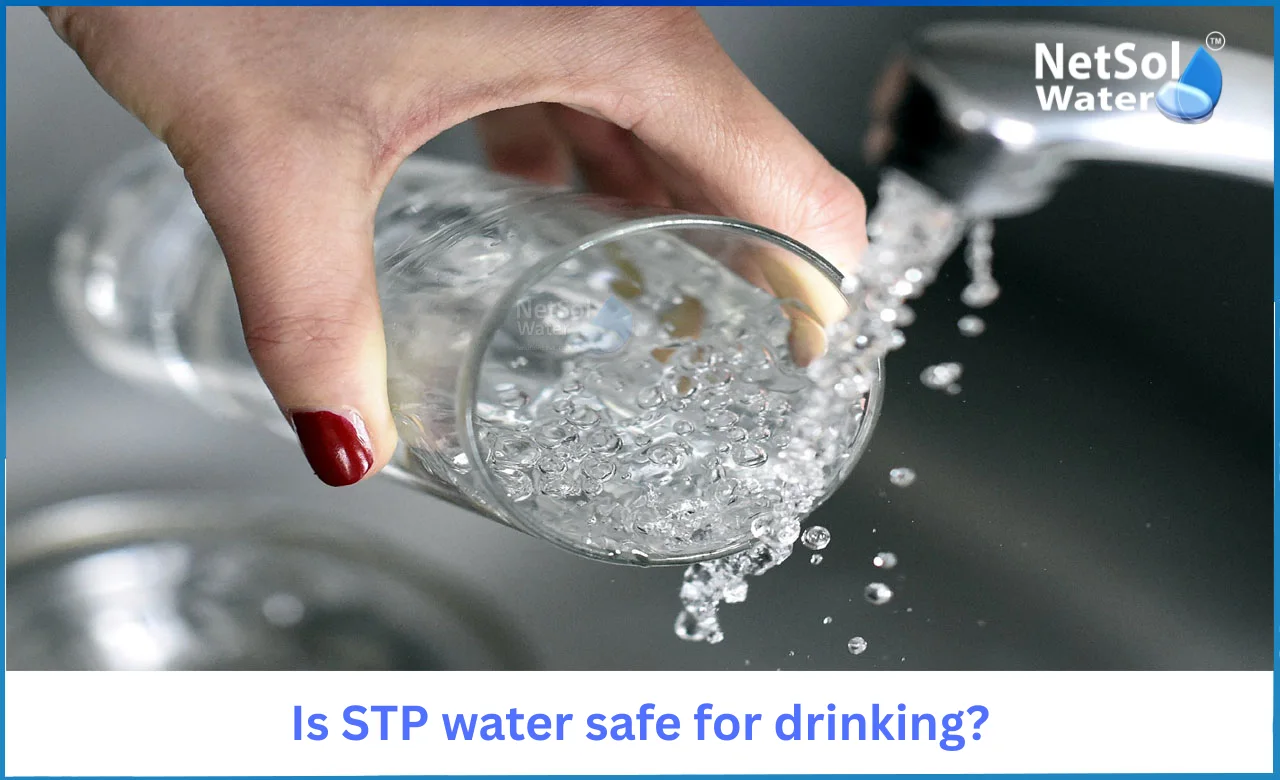
Is STP Water Safe for Drinking?

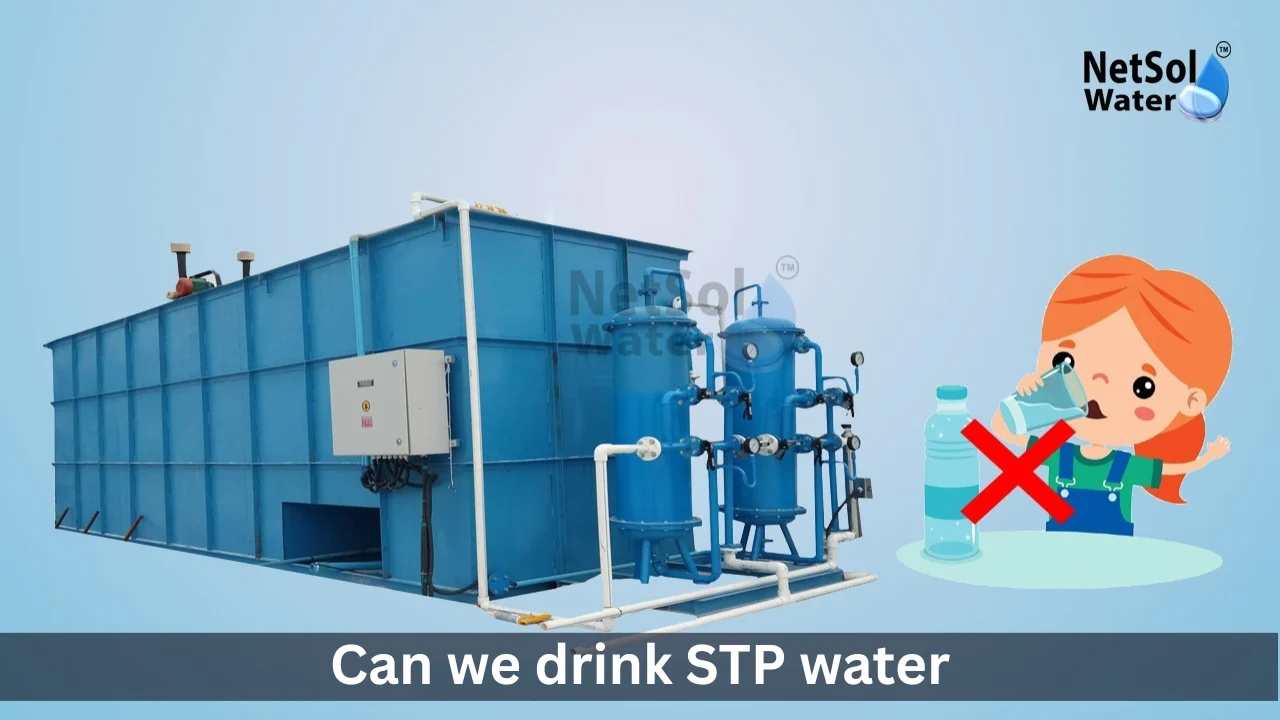
Water reuse grows more common as cities face shortages and as industries seek cost savings. Many people ask whether water from a sewage treatment plant can serve as drinking water. This question matters because treated wastewater can look clear and smell neutral yet still have risks for health. Public officials and plant designers work to remove pollutants and microbes. Still, the levels they achieve in a standard sewage treatment plant usually match non-potable needs rather than the strict rules for drinking water.

Is Standard STP Water Safe for Drinking?

Letus take a look at some key facts to understand why most STP effluent is not suitable for direct drinking.

  • What Standard STPs Remove

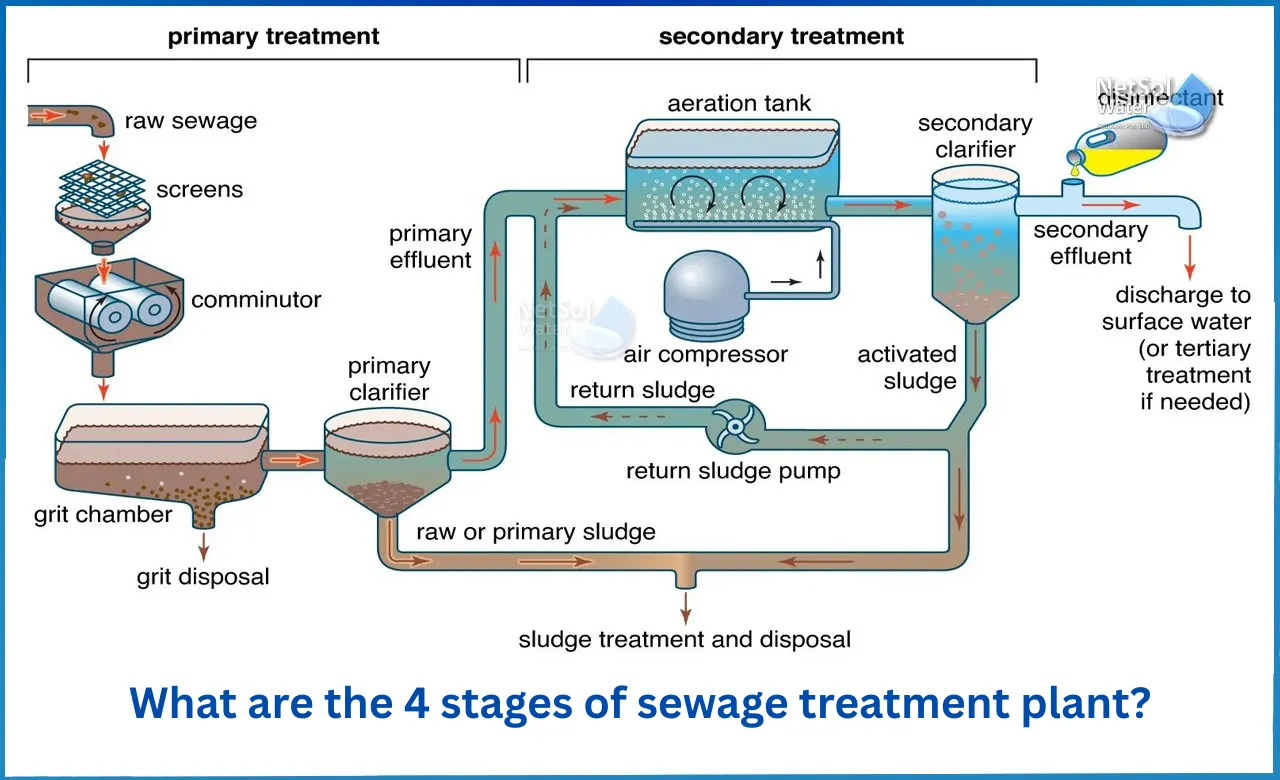
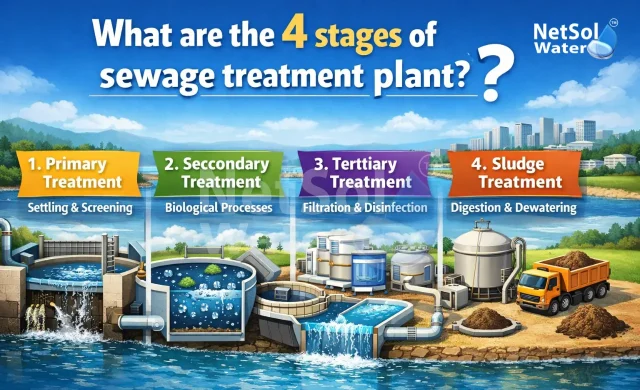
Standard sewage treatment plants remove solids and reduce organic pollution through a sequence of physical and biological steps. The plant first screens and settles large solids. Then, microbes break down dissolved organic matter in aeration tanks. After settling, the water flows through filters or disinfection steps that lower many bacterial counts and improve clarity. These steps make the water acceptable for many reuse tasks. Gardens, toilet flushing, industrial cooling, and landscaping can use this level of treated water safely when managers follow safe practices.

The design focus of a Sewage Treatment Plant Manufacturer often targets reliable removal of suspended solids, biological oxygen demand, and basic pathogens for those non-potable roles. The result usually meets standards for non-drinking applications, but it does not match the comprehensive limits required for a public drinking supply.

  • Why Standard STP Effluent Fails Potable Standards

Drinking water standards require consistent and redundant protection. Standard STPs do not usually include the high-level polishing steps and redundancy needed for that role. Chemical contaminants such as pharmaceuticals, personal care products, and some industrial compounds can persist at low concentrations after conventional treatment. Some microbes and viruses also survive unless the system uses advanced disinfection and multiple independent barriers. Potable systems need rigorous monitoring, frequent lab testing, and documented performance at all times.

When Can Treated Water Be Safe to Drink?

Let us have a look at some technologies, rules, and practices that allow treated wastewater to become safe for potable use.

  • Advanced Treatment Technologies

To make reclaimed water safe for drinking, engineers add several polishing steps beyond conventional sewage treatment. These steps may include membrane filtration such as reverse osmosis, advanced oxidation processes, granular activated carbon, and multiple disinfection stages including ultraviolet light combined with chlorination. Reverse osmosis removes dissolved salts, many chemicals, and most microbes. Advanced oxidation systems break down trace organic pollutants.

Combining several independent barriers gives much stronger protection than any single treatment. A sewage treatment plant manufacturer who designs potable reuse systems must integrate these technologies with careful pre-treatment and post-treatment to avoid fouling and to maintain stable performance.

  • Regulation, Monitoring, and Public Health Safeguards

Even with advanced treatment, regulators require strict monitoring and testing to declare reclaimed water safe to drink. Utilities measure microbiological indicators, chemical markers, and specific contaminants at high frequency. They also maintain traceable records and perform routine audits.

Public health agencies set numeric limits for bacteria, viruses, and chemicals that the treated water must meet every time it leaves the plant. In many places, regulators also require proven emergency response plans and public communication strategies.

Uses of STP-Treated Water and the Role of Manufacturers

Let us have a look at typical non-drinking uses and at how manufacturers shape safe reuse systems.

  • Common Non-Potable Uses

Operators commonly use treated STP effluent for irrigation, toilet flushing, industrial cooling, dust control, and certain industrial processes. These uses reduce demand on freshwater sources and lower operating costs for large consumers. Because the water does not enter human mouths, the treatment demands remain lower than for potable use. Reuse in industry often requires additional conditioning, such as hardness control or corrosion inhibition. A sewage treatment plant manufacturers will tailor a system to the intended reuse so the water meets the needed quality consistently while keeping treatment affordable and simple to operate.

  • Role of Sewage Treatment Plant Manufacturers and Netsol Water

Manufacturers design systems that meet specific reuse goals and local rules. They select unit processes, size equipment, and provide control systems and maintenance plans. Netsol Water is a leading sewage treatment plant manufacturer that supplies plants for municipal, industrial, and commercial clients. Netsol Water works with customers to define the required treated water quality and to choose the right combination of treatment steps. For projects that aim only at non-potable reuse, Netsol Water focuses on cost-effective, reliable options. For customers who seek potable reuse, the company helps specify advanced membranes, disinfection and monitoring systems, and may support compliance testing. By matching design to use, Netsol Water helps clients gain water savings while protecting public health.

Read some interesting information for the Industrial RO Plant Manufacturer

Conclusion

Treated water from a standard sewage treatment plant does not meet drinking water rules by default. Converting sewage effluent into safe potable water requires extra treatment, careful monitoring, and regulatory approval. A sewage treatment plant manufacturer plays a central role in choosing technologies and building systems that match the intended use. If you want advice on safe reuse options or a consultation about plants from basic reuse to potable reuse, please contact Netsol Water for more information.

Contact Netsol Water at: Phone: +91-9650608473 | Email: enquiry@netsolwater.com


What-are-the-latest-Hybrid-Purification-Systems.webp

January 19, 2026by Netsol Water

What are the advantages of STP plants?

When people let used water flow away without treatment, they harm rivers, ground, and soil. Places known for tourism or heavy industry face higher pressure on water bodies. Clean rivers help tourism. Clean ground helps farming. Clean water keeps people healthy. Netsol Water is the leading Sewage Treatment Plant Manufacturer and we design plants that fit local needs and rules. We build plants for small communities, large housing projects, and factories. A good plant makes water safe for reuse or safe return to nature. We will explain the main advantages of STP plants.

Environmental and water resource advantages

Clean water and a steady water supply form the core of this benefit. Treating sewage lowers pollution and protects rivers and lakes. Let us have a look at some ways STP plants make a difference.

1. Reduced pollution and healthier ecosystems

When an STP removes organic waste and chemicals, it cuts the load on rivers. Fish and plants survive longer. Algae growth drops so oxygen stays in the water. That keeps rivers from turning into foul-smelling drains. Cleaner water also supports birds and other wildlife. Over time this restores balance in the whole watershed.

2. Groundwater recharge and reuse

Treated water can return to the ground or flow into recharge pits. This helps raise groundwater levels in areas facing water stress. Cities and towns can use treated water for watering parks, flushing toilets, or for industry. Reuse lowers the need to pump fresh groundwater. That prevents wells from drying and keeps the land stable. When communities plan reuse carefully, they save large volumes of fresh water every year.

Public health and community benefits

STP plants protect people and improve life in towns and housing areas. Clean water cuts the spread of disease and supports safer daily life. Let us have a look at some key health and social benefits.

1. Fewer waterborne diseases and cleaner public areas

Raw sewage causes infections and skin problems. An STP removes pathogens and harmful bacteria. This lowers cases of diarrhea, cholera, and other infections. Cleaner drainage reduces mosquito breeding, so fever and vector-borne illnesses fall. When wastewater stays treated, public parks, playgrounds, and streets become safer for children and older people.

2. Better living standards

When a town treats its sewage, people see and feel the change. Homes face less bad smell. Local drains do not overflow on rainy days. Schools, offices, and markets grow healthier and more pleasant. This uplift in daily life boosts community pride. People support local projects that keep the area clean. That creates a positive loop where residents protect shared water resources and demand better services.

Economic, operational, and regulatory advantages

Building and running an STP brings savings and opens new value streams. Firms and local bodies gain from lower costs and from meeting rules. Let us have a look at some financial and operational benefits.

1. Cost savings and resource recovery

Using treated water cuts the fresh water bill for industry and large complexes. Treated water can power cooling towers, wash floors, or irrigate green areas. This reduces the need for expensive fresh water. Some STP designs recover biogas from sludge. That gas can run pumps or heaters. Recovering nutrients from sludge produces compost that farmers can use. These options turn waste into savings and small new income streams.

2. Compliance reliability and easier approvals

Regulators now expect proper wastewater handling from builders and factories. A certified STP keeps projects inside the law. That speeds up approvals and avoids fines. When a Sewage Treatment Plant Manufacturer supplies clear operation manuals and training, the plant runs smoothly. Good monitoring lowers downtime and reduces surprise repair costs. Developers sell properties faster when they can show safe and approved wastewater systems. Investors trust projects that follow rules and protect the environment.

Read some interesting information for the Commercial RO Plant Manufacturer

Conclusion

Sewage Treatment Plant Manufacturer firms make plants that protect water, health, people, and money. Netsol Water stands as the leading Sewage Treatment Plant Manufacturers with experience in design, fabrication, and service. A well-planned STP cleans water, lowers disease risk, saves fresh water, and helps meet regulations. It also creates chances to recover energy and nutrients that add value back to the community. If you want clear answers on which system fits your site, talk to a firm that designs for local conditions. Contact us to request a consultation and a site visit.

Contact Netsol Water at:

Phone: +91-9650608473

Email: enquiry@netsolwater.com

Top-10-Sewage-Treatment-Plant-Manufacturers-in-Himachal-Pradesh.webp

March 11, 2025by Netsol Water

Top 10 Sewage Treatment Plant Manufacturers in Himachal Pradesh

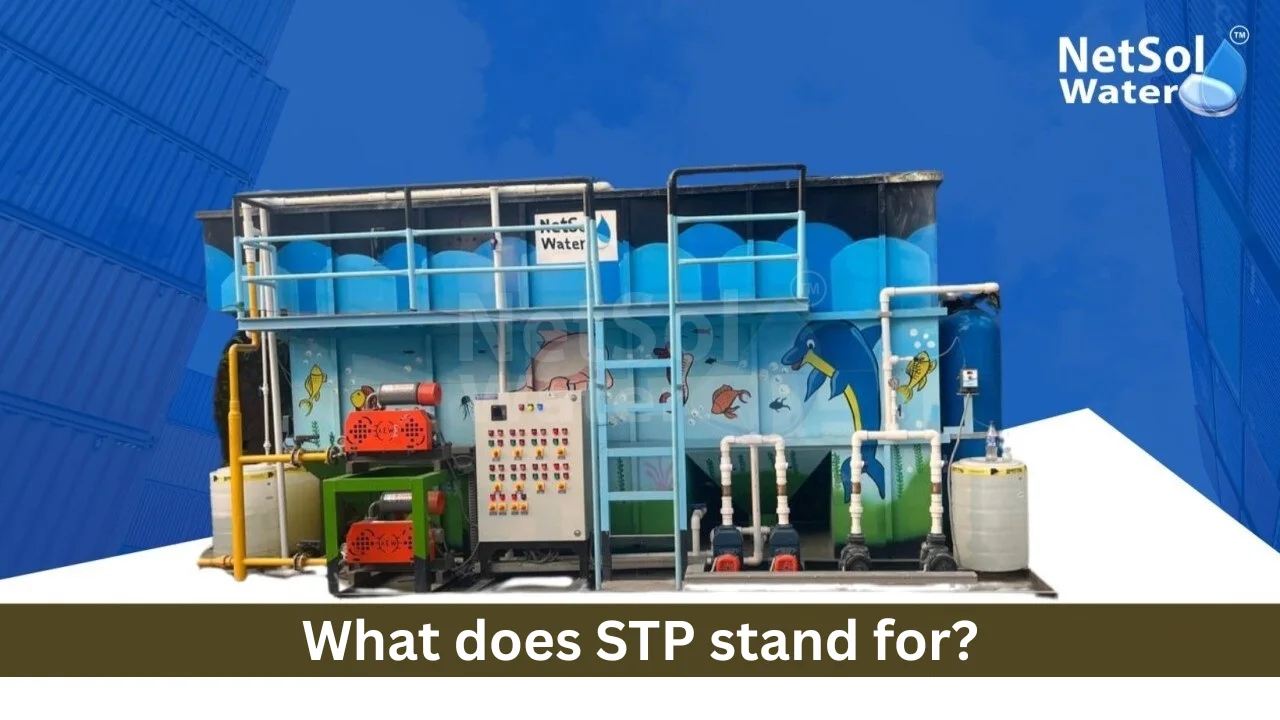
Disposal of sewage is a major issue of concern to the environment, and its illegal disposal can result in very serious pollution, health hazards, and ecological losses. In this context, sewage treatment plants play an essential role by purifying wastewater prior to its release into nature or for reuse for other purposes. Himachal Pradesh, with growing urbanization, tourism and industrialization, is also witnessing a growing demand for efficient wastewater management systems. To address this need, various sewage treatment plant manufacturers are offering world-class solutions for effective wastewater treatment. Given below is a list of the Top 10 Sewage Treatment Plant Manufacturers in Himachal Pradesh that are known for their efficiency, innovation, and quality STP solutions.

Top 10 STP Plant Manufacturers in Himachal Pradesh

1: Netsol Water

We at Netsol Water are proud to be the Top 10 Sewage Treatment Plant Manufacturers in Himachal Pradesh. Our state-of-the-art technology, eco-friendly designs, and customized solutions have made us a choice among industries, municipalities, hotels, and housing complexes.

Why Us?

  • State-of-the-Art Technologies: We utilize MBBR, SBR, MBR, and other advanced treatment technologies.
  • Tailor-Made Solutions: We have STPs customized to meet the specific requirements of various industries.
  • Eco-Friendly & Sustainable: We emphasize responsible wastewater recycling and reducing the impact on the environment.
  • Cost-Effective & Reliable: Our solutions offer savings in the long run and low maintenance expenses.
  • World-Class Post-Sales Services: We provide maintenance, servicing, and technical assistance.

We are among the Top 10 Sewage Treatment Plant Manufacturers of Himachal Pradesh and support industries and societies in following the environmental norms by providing sustainable wastewater management.

2: Thermax Limited

Thermax Limited is a name that is famous worldwide in wastewater treatment, supplying energy-efficient, automated sewage treatment plants to industries.

Key Features:

  • Use of biological and chemical process of treatment
  • Low-maintenance and high-efficiency plants
  • Better control through automated solutions
  • Meets environmental regulations

Thermax is a company that industries and municipal corporations can bank upon for efficient sewage treatment solutions in Himachal Pradesh.

3: Sewage Treatment Plants

Sewage Treatment Plants is a global leader in wastewater and sewage treatment with cutting-edge solutions for municipal and industrial applications.

Why Sewage Treatment Plants?

  • Specialization in biological treatment process
  • Zero Liquid Discharge (ZLD) industry solutions
  • Compact modular STPs for small, medium, and large applications
  • Green and sustainable wastewater management

Through its creative design, VA Tech Wabag is currently ranked as one of the Top 10 Sewage Treatment Plant Manufacturers in Himachal Pradesh.

4: Paramount Limited

Paramount Limited provides purpose-engineered sewage treatment solutions for industry, residential complexes, and for hotels.

Key Features:

  • Space-reducing compact designs
  • Biological, chemical, and filter treatment processes
  • Low maintenance and long working life
  • Wastewater recycling for reuse

Their focus on delivering affordable and efficient sewage treatment plants is one of the reasons why they are a popular manufacturer in Himachal Pradesh.

5: Triveni Engineering & Industries Ltd.

Triveni Engineering & Industries Ltd. offers high-tech sewage treatment plants for industrial and commercial complexes, providing effective wastewater treatment.

Key Features:

  • Long-span and durable STP designs
  • Automated control systems for maximum efficiency
  • Avoids wastage of water and pollution
  • Complies with pollution control laws

Triveni Engineering is widely applauded for its commitment towards sustainable sewage handling in Himachal Pradesh.

6: UEM India Pvt. Ltd.

UEM India is widely applauded for its turnkey sewage treatment solutions, providing efficient wastewater management solutions for industrial and municipal applications.

Key Features:

  • Customized STPs according to different needs
  • Sophisticated filtration and biological treatment technologies
  • Most energy-efficient systems
  • finest after-sales support and maintenance service

Their technology expertise in sewage treatment plant design has helped industries and government organizations improve wastewater treatment in Himachal Pradesh.

7: SFC Environmental Technologies

SFC Environmental Technologies provides innovative STP solutions focusing on biological treatment and green wastewater management.

Key Features:

  • High-performance, energy-efficient STPs
  • Installation of the newest Membrane Bioreactor (MBR) technology
  • Space-saving and compact designs
  • Compliance with rigorous pollution control regulation law

Their sewage treatment plants render wastewater highly treated, and thus they are among the Top 10 Sewage Treatment Plant Manufacturers in Himachal Pradesh.

8: Ion Exchange India Ltd.

Ion Exchange India Ltd. is a renowned name for wastewater and sewage treatment solutions with the best technology and superior-quality products.

Key Features:

  • Specialists in biological and chemical wastewater treatment
  • Long-lasting and enduring STP designs
  • Wastewater recycling and reuse solutions
  • Green and cost-effective systems

Their field exposure has made them a trusted name in Himachal Pradesh sewage treatment solutions.

9: Toshiba Water Solutions

Toshiba Water Solutions provides advanced STP technology solutions for industrial, municipal, and commercial wastewater treatment needs.

Key Features:

  • End-to-end wastewater management solutions
  • Incorporation of cutting-edge biological treatment practices
  • Emphasis on sustainability and water conservation
  • High-performance and long-lasting solutions

Toshiba’s wastewater solutions allow companies to attain environmental compliancy as well as efficiency.

10: EcoGreen Solutions

EcoGreen Solutions is committed to providing green and eco-friendly sewage treatment plants for small and large-scale applications.

Key Features:

  • Biological and chemical treatment processes
  • Modular, compact, and mobile STP units
  • Low-cost and low-maintenance solutions
  • Customizable designs for diverse industries

Their focus on green technology and low-cost wastewater management enables them to be among the Top 10 Sewage Treatment Plant Manufacturers in Himachal Pradesh.

Conclusion

With increasing wastewater challenges, Himachal Pradesh’s municipalities, housing societies, hotels, and industries are crying out for investment in a high-performance sewage treatment plant. The solution is at Netsol Water with its cost-effective, environment-friendly, and tailor-made STP solutions. Along with Thermax Limited, Sewage Treatment Plants, and Paramount Limited, among others, these companies are dedicated to ensuring clean water, pollution control, and a sustainable future.

If you are looking for reliable sewage treatment plant manufacturers in Himachal Pradesh, choose any of the above listed Top 10 Sewage Treatment Plant Manufacturers in Himachal Pradesh.

Do you need advice or assistance on selecting the best water and wastewater treatment unit? We have solutions for all your problems!

Let us know your problem, our experts will make sure that it goes away.

For assistance or related queries,

Call on +91-965-060-8473 Or write us at enquiry@netsolwater.com