Sewage Treatment Plant Manufacturer - Page 2 of 6 - Sewage Treatment Plant Manufacturers

5-Best-Sewage-Treatment-Plant-Manufacturers-in-Delhi.webp

June 4, 2025by Netsol Water

5 Best Sewage Treatment Plant Manufacturers in Delhi

Delhi stands as the vibrant capital of India. It has a number of national offices and busy markets. It also serves many factories and residential areas. The city faces pressure on its water and waste system. Sewage treatment plays an important role in public health. Clean water supports homes, hospitals and schools. A solid treatment plan prevents harm to rivers and ground water. The city meets strict rules on water quality and sanitation. A reliable partner can ease this burden.


Here we enlist the 5 Best Sewage Treatment Plant Manufacturers in Delhi. It will guide readers to find a trusted company. Each company has a set of solutions and skilled teams. Some companies hold certificates that prove their work. Others offer long term support in the local area.


5 Best Sewage Treatment Plant Manufacturers in Delhi

1. Netsol Water

Choosing the right manufacturer makes a deep difference in plant performance and life span. Let us have a look at some offerings by Netsol Water

Netsol Water began its journey with a clear aim to serve industries and communities. It builds sewage treatment plants that meet local demand. It has grown into a name that many in Delhi trust. The firm blends local experience with global practices. It works closely with clients at every step.


Key Services

Netsol Water offers design installation and training services for each plant. Engineers at Netsol Water guide clients from initial analysis to final handover. They also provide regular checks and support after start up. This helps clients avoid unexpected delays or extra costs. The team works on small medium and large plants. It also adapts designs for special waste types.


Certifications and Standards

Netsol Water holds ISO 9001 and ISO 14001 certificates that prove its quality and care. It also follows local rules set by the Central Pollution Control Board. The company updates its methods to meet the latest norms. It engages in regular audits to keep standards high. Clients can view these certificates on the company website.


Why Choose Netsol Water

Netsol Water builds systems that last and work with low upkeep. The company focuses on energy savings and simple operations. Its after sale support earns strong praise in the local market. The team uses feedback to improve each new plant. Netsol Water offers clear cost plans with no hidden charges. Its local offices help clients in and around Delhi.


2. Aquachem Environmental Engineers

Aquachem Environmental Engineers has stood in the field for over two decades. It brings a mix of design build and service offerings to the table. The firm serves industries hospitals and housing complexes across Delhi. Its team adapts systems to handle different waste loads and site limits. Aquachem holds ISO certification and follows CPCB rules. Its strength lies in modular plants that clients can expand over time. The company offers regular service packages that include checks membrane cleaning and spare part supply. It also runs a training program for plant operators to boost local skill. Aquachem maintains a strong local stock of parts to cut wait times. Its client list includes names in food processing textiles and healthcare.


3. Ion Exchange (India) Ltd

Ion Exchange has earned a name in water and waste treatment for many years. It offers sewage treatment plants that suit housing complexes, malls and factories. The company uses biofilm and reactor methods to meet varied needs. It pairs these with filters that remove solids and germs. The team works on design installation and plant tuning till each unit runs at peak. Ion Exchange holds ISO certification for quality and safety. Ion Exchange runs training sessions for site teams to handle routine tasks. It also shares digital dashboards for clients to track plant stats. Its work in public and private sectors has won local praise. The firm aims to lower energy use and cut sludge volume. Its plants deliver clean water that meets disposal norms every time.


4. Thermax Ltd

Thermax brings strong research and engineering depth to sewage treatment in Delhi. It offers advanced solutions such as membrane bioreactors and aerobic digestion systems. The company works on build, operate and transfer contracts for large estates. It also provides equipment supply for smaller sites. Thermax holds ISO certificates for quality environment and safety management. The team covers project planning design and site commissioning. It pairs each plant with automation systems for easy monitoring. Clients can see key data on mobile or desktop screens. Thermax offers AMC and spare part services with guaranteed response times. It also runs skill development camps for operators and engineers.


5. VA Tech WABAG

VA Tech WABAG stands as a global name with deep local roots in India. It designs and delivers sewage treatment plants that use MBR and SBR technologies. The company adapts its solutions to fit site needs and growth plans. It covers feasibility studies detailed design and plant start up. VA Tech WABAG holds ISO certificates for quality environment and safety. The firm runs a well spread network of offices in Delhi and NCR. This helps with quick site visits and spares dispatch. It offers AMC packages that cover checks chemical dosing and operator training. Its digital tools let clients view plant health and water quality in real time.


Conclusion

Choosing from the 5 Best Sewage Treatment Plant Manufacturers in Delhi can set the stage for years of clean water and smooth operations. Each company brings distinct strengths and proven methods to meet local needs. Netsol Water leads with strong local service and clear quality marks. Other firms share deep expertise in reactor systems membranes and site support. To learn more or to request a custom consultation use the form on our site or reach out by phone today. Get in touch now to find the right partner for your next sewage treatment plant project.

Contact Netsol Water at:

Phone: +91-9650608473

Email: enquiry@netsolwater.com

10-Best-Sewage-Treatment-Plant-Manufacturers-in-Gurgaon.webp

May 31, 2025by Netsol Water

10 Best Sewage Treatment Plant Manufacturers in Gurgaon

Gurgaon has grown into a busy city for industry and commerce. It has tall buildings and wide roads. Yet it faces a growing need for proper water and waste management. A solid sewage treatment plant makes a big difference for any industry or housing project. It helps to treat wastewater safely before it flows back into the ground or water bodies. It also helps to meet rules set by local and national agencies. Finding the right manufacturer can end up saving time and money. It can improve water reuse for gardens or cooling towers. It can also lower the risk of fines. In this list of the 10 Best Sewage Treatment Plant Manufacturers in Gurgaon, you will see companies that meet high standards. They offer reliable systems, timely support and clear compliance. You can trust these manufcaturers to handle your waste water needs in Gurgaon.


10 Best Sewage Treatment Plant Manufacturers in Gurgaon

1. Netsol Water

Manufacturers must earn trust by showing expert skill and clear certification. Netsol Water leads this field in Gurgaon. It offers custom systems for residential towers, hotels, and factories. Let us have a look at some of their prime features.


Proven Experience

Netsol Water has built an enormous number of projects in the past five years. Each project beat tight deadlines. It covered small housing sites and large industrial units.


Advanced Technology

The company uses membrane bio-reactor and SBR methods. These cut space needs and boost water reuse. They fit well into modern complexes.


Key Certifications

Netsol Water holds ISO 9001 for quality control and ISO 14001 for environment care. It also meets the Central Pollution Control Board norms. These proofs show strong rules and checks at every step.

Netsol Water makes sure you get clear design plans and smooth starts. It guides you from first survey to final handover. You can view each test report online. You can count on their team for fast repairs or spare parts.


2. Ion Exchange India Ltd.

Ion Exchange India has a long history in water treatment and chemical plants. It treats both drinking water and waste water. It uses process filters, bio-reactors and RO fits in its systems. It wins praise for prompt service and strict quality checks. It shows test data clearly for each plant. It follows the rules set by the National Green Tribunal and the local board. Its team works round the clock when a plant needs care. Its solid back up cuts downtime and saves cost on repairs. It stands among the 10 Best Sewage Treatment Plant Manufacturers in Gurgaon.


3. Thermax Limited

Thermax Limited brings wide skill in steam, power and water. It uses moving bed biofilm reactor and MBR methods for waste water. It offers compact units that suit malls and estates. It links to remote monitoring software. This help clients check plant health on their phone. It has local stores for parts in Gurgaon. It meets ISO 45001 safety norms along with ISO 9001 and ISO 14001. It ranks high among the 10 Best Sewage Treatment Plant Manufacturers in Gurgaon.


4. Veolia India

Veolia India works in over forty countries. It serves big cities with full operation and small sites with simple systems. It adapts plants to fit tight spaces. It uses latest hybrid MBBR and membrane filters. It sends expert staff to train your team. It shows clear logs and audit trails. It holds ISO 22000 food safety norms along with ISO 9001 and ISO 14001. It stands strong in the list of the 10 Best Sewage Treatment Plant Manufacturers in Gurgaon.


5. Aqua Green Enviro

Aqua Green Enviro began as a local firm and grew fast. It builds systems for housing societies and small factories. It uses sequencing batch reactor and activated sludge method. Its units run with low power and cut sludge by forty percent. It offers easy to use touch control panels. It trains staff on routine care and basic fixes. It holds ISO 9001 and local municipal clearance. It shows client feedback and test data on its site. It ranks among the 10 Best Sewage Treatment Plant Manufacturers in Gurgaon.


6. Aquachem India

Aquachem India makes units for hotels, hostels and gardens. It uses aerobic and anaerobic tanks for clear effluent. It fits tanks underground to save space. It adds ozone dosing to kill germs without chemicals. It shows lab results for each batch. It offers service packs for yearly overhaul. It holds ISO 14001 and NABET approval. It wins praise for quick call outs. It stays on the list of the 10 Best Sewage Treatment Plant Manufacturers in Gurgaon.


7. Envirotech & Consulting

Envirotech & Consulting works with small estates and car washers. It offers skid-mounted units that you lift into place. It uses moving bed and fixed bed bioreactors. It links to CCTV and leak sensors. It logs each reading to the cloud. It holds CE marking and local state approval. It meets all acid and grease removal norms. It wins clients for honest pricing and clear reports. It stands in the 10 Best Sewage Treatment Plant Manufacturers in Gurgaon.


8. Aqualite Water Solutions

Aqualite Water Solutions serves villas, parks and small workshops. It uses sand filters and SBR tanks. It adds UV chambers to kill any germ left. It fits remote start and stops for better control. It trains a site team to spot alarms and clear blocks. It carries spare pumps in its own vans. It holds ISO 9001 and CPCB approval. It wins trust for clear invoices and no hidden costs.


9. Sewage Tech India

Sewage Tech India builds plants for fuel stations, clinics and schools. It uses compact MBR modules that fit basements. It tests water at each tank link. It uses PLC for full auto run and clear alarms. It sends push alerts to your phone if a value shifts. It holds ISO 45001 for safety along with ISO 14001. It wins praise for full design support from sketch to start. It stands among the 10 Best Sewage Treatment Plant Manufacturers in Gurgaon.


10. Waterman Infrastructure Ltd.

Waterman works on big sites and small estates. It uses lagoon systems and ASBR tanks. It adds chemical dosing for fat and grease removal. It fits remote view boards so you check trends at any time. It carries out risk checks and safety drills. It holds ISO 9001, ISO 14001 and local state consent. It wins clients with solid after care and spare pump supply. It makes it into the 10 Best Sewage Treatment Plant Manufacturers in Gurgaon.


Conclusion

Choosing right support makes a clear mark on performance. The 10 Best Sewage Treatment Plant Manufacturers in Gurgaon each offer strong know-how and local back up. Netsol Water leads with its full set of ISO certificates and smart tech. You can trust any one of these firms to handle water care from design to daily run. If you seek more details on the 10 Best Sewage Treatment Plant Manufacturers in Gurgaon or wish to schedule a free survey, please get in touch today. Our experts stand ready to guide you.

Contact Netsol Water at:

Phone: +91-9650608473

Email: enquiry@netsolwater.com

10-Best-Sewage-Treatment-Plant-Manufacturers-in-Delhi.webp

May 28, 2025by Netsol Water

10 Best Sewage Treatment Plant Manufacturers in Delhi

Delhi faces a growing need for clean water and safe waste management. Rising urban populations place an extra load on old sewers and treatment works. Sewage treatment plants turn harmful waste into safe water that local communities can reuse. They also protect rivers and groundwater from pollution. Many companies in Delhi design, build, and maintain these plants to meet strict environmental rules.

Here we enlist the 10 Best Sewage Treatment Plant Manufacturers in Delhi to help you find a trusted partner.


10 Best Sewage Treatment Plant Manufacturers in Delhi

1. Netsol Water

Netsol Water stands out among the 10 Best Sewage Treatment Plant Manufacturers in Delhi for its flexible solutions and strong quality systems. The company meets diverse site needs and follows global standards at every step.


Company Overview

Netsol Water began with a simple goal to deliver reliable treatment plants across India. It now serves clients worlwide, offering full support from project planning to handover. Teams work closely with clients to match each plant to its site and sewage load.


Modular Plant Architecture

Netsol Water uses modular units that arrive ready to connect on site. This design cuts civil work and speeds up startup. As community or factory demands rise, engineers link extra modules without tearing down the original system. Clients gain the ability to expand in stages and control their budget.


User-Friendly Controls

The company fits each plant with a simple control panel. Operators follow clear prompts on a digital screen to manage flow, aeration, and sludge removal. This ease of use lets new staff learn fast and keeps the process steady. Real-time alerts share data on water quality, so managers stay one step ahead of any drift.


Field Support Services

Netsol Water assigns trained engineers to each project for regular visits. They test samples on site and tune equipment to meet strict discharge norms. The team also offers remote support by phone or video link to solve issues without delay. This service model keeps plants running 24/7 with minimal downtime.


Certifications and Quality Assurance


The company holds ISO 9001 certification for quality management and ISO 14001 for environmental systems. It also meets ISO 45001 for health and safety. Each module undergoes factory acceptance tests before shipment. Clients receive detailed reports proving that pumps, sensors, and tanks meet design specs.

2. Ion Exchange India

Ion Exchange India serves Delhi with membrane systems that clear fine particles and ensure clear effluent. The firm mounts treatment trains on skids ready for plumbing, so sites start work fast. Engineers analyze each waste stream and tailor plants to pollution loads and local rules. Operators learn the intuitive controls quickly and track performance on a digital display. Field experts return on schedule to test samples and fine-tune settings.

3. Thermax India 

Thermax India delivers large-capacity plants for municipal and industrial sites across Delhi. The company bundles design, equipment, and chemicals into one package, so clients deal with a single vendor. It recovers heat from sewage to power parts of the system and cuts energy bills. Every plant meets India’s pollution norms and global benchmarks. Thermax engineers train on-site teams and monitor data remotely to address any issue before it affects output.

4. Aquachem Envirotech 

Aquachem Envirotech focuses on compact solutions that fit tight urban plots in Delhi. The company uses biological reactors where microbes break down organic matter and reduce sludge. They assemble units off site and deliver them ready to connect so civil work stays minimal. The PLC interface shows flow rates and quality metrics in real time. Local experts guide clients through approval processes and inspect plants regularly to maintain smooth operation.

5. Aqua Grand 

Aqua Grand builds robust sewage treatment plants with heavy-gauge steel and protective coatings that resist rust. It installs automatic controls that run each treatment stage on preset parameters and cut human error. The company stocks critical spare parts to fulfill urgent orders in days rather than weeks. Each system integrates pumps, sensors, and clarifiers for seamless operation. Service engineers conduct routine inspections and offer training sessions to empower local operators.

6. Enviro Infra Projects

Enviro Infra Projects handles both civil structure and mechanical equipment scopes in one turnkey package. The company’s process specialists design each plant to meet Delhi’s surface and groundwater discharge limits. Senior engineers oversee every project phase and run strict tests on every weld and seal. They coordinate with local authorities to fast-track approvals. After startup they provide periodic reviews and fine-tune settings to ensure compliance and high uptime.


7. Envirotech Projects

Envirotech Projects offers pilot-scale trials to show Delhi clients how their sewage stream will respond to treatment before final build begins. They mount solar panels on site to lower grid power demand and trim operating costs. Maintenance plans let clients choose annual or multiyear contracts that cover spare parts and technical visits. The control room displays live dashboards with alerts that warn operators of any shift in flow or pollutant load.


8. Larsen & Toubro (L&T)

Larsen & Toubro delivers turnkey sewage treatment plants across Delhi under a single contract covering design, procurement, construction, and handover. Its strict quality checks at every stage ensure long service life and leak-free tanks. The company draws on global expertise from projects on five continents to bring fresh solutions to local needs. Dedicated project managers coordinate all contractors and stakeholders to keep every milestone on schedule.


9. TQM Water & Energy

TQM Water & Energy blends aerobic and anaerobic processes in its plants to boost treatment efficiency and cut sludge by half. The company fits pumps that draw very low power and offer hydraulic systems that run quietly and smoothly. Operators view real-time data on flow, load, and quality through simple dashboards. Engineers fine-tune each unit to meet evolving effluent norms and visit sites often to train staff and prevent downtime.


10. VA Tech Wabag

VA Tech Wabag uses high-rate reactors that clear sewage quickly and shrink tank sizes to save on civil costs. The company provides full lifecycle care from initial design to plant upgrades so clients stay ahead of new rules and performance targets. Local teams receive in-depth training on operation, maintenance, and safety. Expert technicians offer remote monitoring and step in fast if any alarms signal a drop in efficiency or quality.


Conclusion

The 10 Best Sewage Treatment Plant Manufacturers in Delhi provide proven systems that protect public health and the environment. Netsol Water leads the list with its modular plants, simple controls, strong support services, and key ISO certifications. Each of the other nine companies brings unique strengths for projects of any scale. Choose a partner that fits your needs and meets local rules. Contact a leading manufacturer today to request a consultation and begin your sewage treatment journey.

Contact Netsol Water at:

Phone: +91-9650608473

Email: enquiry@netsolwater.com

Add-a-subheading-1-1-4.webp

May 27, 2025by Netsol Water

Customized Sewage Treatment Plants – Gurgaon Manufacturer Spotlight

Gurgaon has earned its name as a fast-growing industrial city and a tech hub near Delhi. The city sees high demand for smart water management. Sewage treatment plays a key part in keeping water safe and recycling used water. Netsol Water is the leading Sewage Treatment Plant Manufacturer in Gurgaon. This company brings deep expertise to each project and adapts solutions to suit local needs. We will explore how customized sewage treatment plants meet the unique needs of Gurgaon projects.

Customized Design and Capacity Planning

Customization matters when each site faces its own challenges in land size, flow volumes and effluent standards. Netsol Water studies project needs and local regulations. This step ensures the plant works without waste or overcapacity. Let us have a look on some key aspects.

Design Customization

Every project starts with a detailed survey of the land and the sewage flow patterns. Netsol Water creates plans that fit the plot size and shape. They map out tanks, piping and control panels. They adapt the layout so the plant fits in tight spaces or larger industrial parks. The team checks soil type and ground slope. The plant uses less power and runs more smoothly. Using personalized designs reduces costs and boosts efficiency.

Capacity Scaling

After layout design comes sizing of each treatment stage. Netsol Water looks at peak flow rates and average loads. They size each tank pump and filter to match these values. This step ensures the plant treats all incoming water even on heavy use days. They also plan for future growth. If a community expands or a factory ups its output the plant can handle extra flow. By planning this way the client avoids expensive upgrades later. This approach keeps the system stable and cost effective over years of use.

Innovative Treatment Technologies

Advanced treatment helps remove solids organic matter and harmful microbes. Netsol Water studies each project to choose the best methods. They combine proven methods with newer tools. Let us have a look on some key technologies by leading Sewage Treatment Plant Manufacturer in Gurgaon.

Membrane Bioreactor Technology

Membrane bioreactor merges biological breakdown with fine filtration. In this process microbes feed on organic waste in an aeration tank. Then water passes through membrane filters that trap suspended particles and bacteria. This yields very clear effluent ready for reuse in irrigation or cooling. Netsol Water installs modular membrane units that fit any plant size. The membranes last many years and need simple cleaning. This reduces footprint and boosts output quality when clients need high grade reuse water.

RO Plant Integration

Second stage polishing often uses an RO Plant for removing dissolved solids and salts. Netsol Water links the RO Plant to the treated water outlet with a clear flow path and control valves. The system pushes water at the right pressure to pass through thin film membranes. The result is near pure water that meets strict standards. Netsol Water sets up automated controls to protect membranes and to flush out concentrates. This step gives clients the option to reuse water for high purity needs like boiler feed or industrial wash.

Installation and Maintenance Services

Even a well designed plant fails without correct installation and regular care. Netsol Water handles each stage with trained staff. They ensure long term performance and safe operation. Let us have a look on some support services.

Installation Process

The installation team arrives on site with all equipment and tools. They follow a clear plan to place tanks pumps, pipes and electrical panels. The staff checks alignment levels and weld joints at every step. They test welds and connections under low pressure before full start up. Netsol Water runs trial cycles to tune controls and to check flow paths. They train the client team on monitoring gauges, handling alarms and basic maintenance. This hands on approach reduces start up delays and surprises.

After-sales Support

Once the plant runs the support team takes over. Netsol Water schedules visits to inspect pumps valves, membranes and sensors. They replace worn parts and clean filters before blockages form. They use remote monitoring tools to track flow rates, pH levels and sludge volume. When alarms appear they call the client and guide them on fixes or send a technician. Netsol Water also offers spare part kits and on call support. This service keeps the plant healthy and avoids plant downtime.

Conclusion

A robust sewage treatment solution can save water, energy and cost for any Gurgaon project. Netsol Water stands out as a trusted Sewage Treatment Plant Manufacturer in Gurgaon with deep experience and a client centric focus. With personalized designs advanced technologies and strong support the company offers plants that last and perform well. To learn more or to request a consultation, please contact Netsol Water today. Let their team guide you to a cleaner water future.


Eco-Friendly-STP-Systems-by-Delhis-Top-Manufacturer.webp

May 23, 2025by Netsol Water

Eco-Friendly STP Systems by Delhi’s Top Manufacturer

Delhi has a reputation for rich history, lively cultures and busy markets. The city faces growing demands for clean water and safe waste disposal. Eco friendly STP plants help cities like Delhi manage sewage without harming nature. Netsol Water stands out as the leading Sewage Treatment Plant Manufacturer in Delhi. The company uses deep local knowledge with proven treatment methods. We will explore eco friendly STP plants their core components and the key benefits for Delhi.

Importance of Eco-Friendly STP Plants

The growth of urban areas puts pressure on water resources. Sewage flows must meet strict safety standards before they return to rivers or groundwater. Eco friendly STP systems reduce pollution protect public health and support city life. Let us have a look on some key aspects of these systems.

What Makes an STP Eco-Friendly

Eco friendly STP plants focus on low energy use and minimal chemical inputs. They rely on natural processes like bacterial action and gravity settling. These systems cut down on electricity needs and reduce greenhouse emissions. By using simple designs they require fewer moving parts and less maintenance. The result shows in lower operating costs. It also means less carbon output and fewer harmful byproducts. Communities gain cleaner water without burdening local resources.

How Eco-Friendly STP Systems Function

Eco friendly systems start with primary screening to remove solids. Next they pass water through bio filters that hold microbial films. Bacteria break down organics into safe byproducts. Treated water moves on to aeration chambers that infuse oxygen to feed microbes. A final settling tank separates any remaining particles. Plants or sand filters polish the water before discharge. The design makes each stage work without heavy machinery. Such simple steps deliver clear water while saving energy.

Innovative Technology in Netsol Water Eco-Friendly STP Plants

Netsol Water uses time tested methods with modern touches. They offer plants that adapt to site needs and scale easily from homes to industrial complexes. Let us have a look on some standout features of the leading Sewage Treatment Plant Manufacturer in Delhi.

Advanced Biological Treatment Processes

Netsol Water uses moving bed biofilm reactors for robust organic removal. These reactors hold plastic carriers that support microbial growth. The microbes digest sewage solids faster than traditional methods. This reduces the footprint and reduces sludge volume. Clients see faster startup times and stable performance. These features suit the varied flows you find in Delhi buildings and factories.

Sustainable Material Choices and Design

Netsol Water selects durable local materials that resist corrosion. They avoid heavy steel parts in favor of polymer composites. Such choices extend plant life. Tanks come prefabricated for quick on-site setup. The modular design allows easy future expansion without major civil works. This approach saves time and space on crowded Delhi sites. It also means technicians spend less time on repairs and more on preventive care.

Benefits of Eco-Friendly STP Plants by Netsol Water in Delhi

Choosing an eco friendly plant brings clear benefits both for budgets and for nature. Netsol Water plants deliver reliable performance with low maintenance demands. Let us have a look on some major advantages.

Cost Savings and Resource Efficiency

Netsol Water plants operate on gravity flows where possible. This cuts pump needs and trims electricity bills. Low sludge yields shrink disposal fees. Clients benefit from fewer visits by service staff. The modular layout lets businesses add capacity only when needed. Such features guard budgets during initial setup and over long term use.

Positive Impact on Delhi’s Urban Environment

Clean treated water eases pressure on rivers and groundwater. Green discharge boosts local streams and parks. Reduced pollution lowers health risks for residents. Eco friendly STP systems also cut odour and noise near installation points. Netsol Water helps communities meet local regulations and federal norms. Their support teams guide clients through permits and reporting. This hands on service ensures smooth project delivery in a busy city.


Conclusion

Eco friendly STP plants solve pressing water challenges in Delhi. Netsol Water as the leading Sewage Treatment Plant Manufacturer in Delhi brings proven technology local support and clear savings for clients. Reach out now for more information or to request a consultation on your next sewage treatment project. Let us help you secure a cleaner future today.

Phone: +91-965-060-8473

Email: enquiry@netsolwater.com

Add-a-subheading-1-1-3.webp

May 20, 2025by Netsol Water

Precision, Purity, and Performance – STPs from Gurgaon Experts

Gurgaon stands as a center of rapid growth and modern living. Netsol Water is the leading Sewage Treatment Plant Manufacturer in Gurgaon. Its work shapes how communities and businesses treat wastewater with care. The process of cleaning sewage calls for strict precision to meet local rules. It also calls for high purity in treated effluent for reuse. It needs strong performance across varying loads and conditions. We will explore why precision,  purity and performance matters in a treatment plant.

Precision in Sewage Treatment Plant Design

The choice of correct design makes all steps work without waste or error. Precision helps reduce waste and cut costs. It guides every pipeline size and pump rating. This focus on exact detail starts with site study. It moves to careful selection of units. Then it goes to precise settings for each stage. Let us have a look on some key elements that ensure this precision.

Detailed Site Assessment

Experts start by measuring flow rates and pollutant loads. They gather data on daily basis. They map out land area and soil type on site. They check water table depth below the surface. They note nearby buildings and roads that affect layout. This careful survey lets them match each unit to the real conditions. It helps avoid future problems such as leaks or overflows. It guides the exact piping layout to ensure smooth flow. It also steers decisions on whether to add buffer tanks. All these steps rely on clear data and careful checks. This work drives precision from day one.

Computer Aided Design Control

After the survey experts use computer tools to model the plant. They feed in data from the site and predicted loads. The software then simulates flow and reaction times in each tank. It predicts how bacteria will break down waste. It shows pressure drops in pipes and energy use of pumps. The team adjusts the model until it meets all targets. They set exact tolerances for tank volumes and retention times. They choose pumps and blowers with rated performance above the needed maximum. It brings clear proof that every part of the plant will work as planned. Precision in design thus flows from high quality data and smart tools.

Purity of Treated Water and Effluent Quality

Pure treated water protects public health and the environment. It also opens doors for water reuse in landscaping or cooling towers. Experts focus on removing organic matter solids and microbes with care. They design steps that target each pollutant type in turn. Let us have a look on some critical steps that ensure this purity.

Biological Treatment and Bacteria Selection

After initial screening experts route sewage to a biological reactor. They add cultures of helpful bacteria that feed on waste. The team chooses strains best suited for local temperatures. They set aeration and mixing rates to keep the bugs healthy. They monitor dissolved oxygen and pH levels around the clock. They use probes and sensors that stream real time data. The operators adjust air flow or recycle rates without delay. This active control keeps the microbial process at peak removal efficiency. It strips out organic load down to safe levels. Only then does the water move to the next polishing step.

Filtration and Disinfection Stages

Once the bulk of waste has gone the team channels water to filters. They pick media that capture fine solids and remaining catalysts. They set filter gravity and backwash cycles with exact timing. They then dose disinfectant to kill any lingering microbes. They choose safe doses of chlorine or UV intensity for full kill. They track residual disinfectant downstream to confirm no harmful excess. They tune each step until the treated water meets or beats local norms. This layered approach locks in high purity. It delivers water that meets strict quality requirements every day.

Performance and Operational Efficiency

A treatment plant’s success depends on steady performance. It must handle peaks without failure. It must keep energy use low to save money. Local experts in Gurgaon focus on smart controls and flexible design. They plan for future expansion and integration with other water units. Let us have a look on some key strategies that secure this performance.

Energy Management and Automation

Operators install variable speed drives on pumps and blowers. These drives adapt motor speed to flow needs. They reduce power use when loads drop at night or on weekends. They tie sensors on each unit to a central control panel. The system logs data on power spikes and idle times. It then sends alerts if any unit drifts from its optimal range. The team also fits solar panels to offset grid power. They link excess energy into the plant grid. They use smart lighting and standby modes on idle units. They also ensure the plant stays online even during power dips.

Conclusion

Precision, purity and performance shows why Gurgaon leads in wastewater care. Netsol Water is the leading Sewage Treatment Plant Manufacturer in Gurgaon with proven expertise. They design each project with care and operate each plant with skill. They help clients reduce costs, meet regulations and secure water reuse options. If you seek a reliable Sewage Treatment Plant Manufacturer in Gurgaon reach out now to learn more or to request a consultation. Let your next project gain the benefits of expert design and lasting performance.


Best-Sewage-Treatment-Plant-Companies-in-Noida.webp

May 8, 2025by Netsol Water

Best Sewage Treatment Plant Companies in Noida

Noida is a rapidly growing city in Uttar Pradesh and with increasing urbanization, the need for efficient sewage treatment plants has risen. A reliable sewage treatment plant manufacturer ensures clean water disposal, environmental safety and compliance with government norms. Here’s a list of the best sewage treatment plant manufacturers in Noida, along with their technologies, services, and key features.

1: Netsol Water Solutions

Overview: Netsol is a trusted name in water and wastewater treatment, providing high-quality STP plants in Noida.

Technology Used: MBBR (Moving Bed Biofilm Reactor), SBR (Sequential Batch Reactor), MBR (Membrane Bioreactor)
Key Features:

  • Fully automated systems
  • Compact designs for space-saving
  • 24/7 customer support
    Website: netsolwater.com

2: Sewage Treatment Plants

Overview: Sewage Treatment Plants is a leading sewage treatment plant manufacturer in Noida, offering advanced solutions for residential, commercial, and industrial sectors.
Technology Used: Activated Sludge Process (ASP), MBR, RO-based treatment
Key Features:

  • Customized STP solutions
  • Low maintenance & energy-efficient systems
  • Government-approved designs
    Website: sewagetreatmentplants.in

3: Urban STP Plant

Overview: Urban STP Plant specializes in sewage treatment plant manufacturing with a focus on sustainability.
Technology Used: SBR, MBBR, Electrocoagulation
Key Features:

  • Odor-free treatment plants
  • Cost-effective solutions
  • Quick installation & commissioning
    Website: urbanstpplant.com/

4: Water Treatment Plants

Overview: A well-known STP manufacturer in Noida, Water Treatment Plants provides eco-friendly sewage treatment solutions.
Technology Used: MBR, MBBR, SAFF (Submerged Aerobic Fixed Film)
Key Features:

  • High BOD & COD removal efficiency
  • Minimal sludge generation
  • Remote monitoring options
    Website: watertreatmentplants.in/

5: Commercial RO Plant

Overview: Commercial RO Plant is a reputed sewage treatment plant manufacturer offering customized STP systems.
Technology Used: MBBR, SBR, UF (Ultrafiltration)
Key Features:

  • Energy-saving designs
  • Compact & modular systems

AMC (Annual Maintenance Contract) available
Website: commercialroplant.com

Comparison of Top STP Manufacturers in Noida

Company Technology Used Key Benefits Maintenance
Netsol Water MBBR, SBR, MBR Energy-efficient, compact design Low maintenance
Sewage Treatment Plants ASP, MBR, RO Fully automated, high efficiency Moderate maintenance
Urban STP Plant SBR, Electrocoagulation Odor-free, cost-effective Low maintenance
Water Treatment Plants MBR, SAFF High BOD removal, remote monitoring Moderate maintenance
Commercial RO Plant MBBR, UF Modular design, AMC available Low maintenance

Technology Used in Sewage Treatment Plants

Sewage Treatment Plants (STPs) use different technologies to clean wastewater before releasing it into the environment or reusing it. The choice of technology depends on factors like capacity, space, budget, and water quality requirements.

Here, we discuss the most commonly used STP technologies, how they work, and their advantages.

1: Activated Sludge Process (ASP)

How It Works:

  • Wastewater enters an aeration tank where air is pumped in.
  • Microorganisms (bacteria) break down organic waste.
  • The treated water moves to a settling tank, where sludge settles at the bottom.
  • Clean water is discharged, and some sludge is recycled back into the aeration tank.

Advantages:

  • Effective for large-scale sewage treatment.
  • Removes BOD (Biological Oxygen Demand)
  • Cost-effective for municipal and industrial use.

Limitations:

  • Requires skilled operation.
  • Generates more sludge compared to modern methods.
  • Needs continuous electricity for aeration.

2: Moving Bed Biofilm Reactor (MBBR)

How It Works:

  • Uses small plastic carriers (biofilm media) that move freely in the treatment tank.
  • Bacteria grow on these carriers, breaking down organic waste.
  • A sieve filter retains the carriers while treated water flows out.

Advantages:

  • Compact design, suitable for limited spaces.
  • Low sludge production.
  • Easy to upgrade existing plants.

Limitations:

  • Higher initial cost than ASP.
  • Requires proper media maintenance.

3: Sequential Batch Reactor (SBR)

How It Works:

  • Treatment happens in batches (fill, react, settle, decant).
  • No need for separate tanks—same tank performs aeration and settling.
  • Automated systems control each phase.

Advantages:

  • Flexible operation (adjustable treatment cycles).
  • Less land required compared to ASP.
  • Good for small to medium-scale plants.

Limitations:

  • Requires skilled supervision.
  • Higher energy use due to batch processing.

4: Membrane Bioreactor (MBR)

How It Works:

  • Combines biological treatment + membrane filtration.
  • Microorganisms treat the water, and ultrafiltration membranes remove fine particles.
  • Produces high-quality reusable water.

Advantages:

  • Superior effluent quality (suitable for reuse).
  • Small footprint (ideal for urban areas).
  • Less sludge production than ASP.

Limitations:

  • Expensive compared to other methods.
  • Membranes need regular cleaning & replacement.

5: Submerged Aerobic Fixed Film (SAFF)

How It Works:

  • Uses fixed plastic media where bacteria grow.
  • Air is supplied from the bottom for aerobic treatment.
  • Treated water passes through a clarifier for final separation.

Advantages:

  • Low energy consumption.
  • Handles shock loads (sudden high sewage inflow).
  • Low maintenance.

Limitations:

  • Slower treatment compared to MBBR.
  • Not ideal for very high-capacity plants.

6: Electrocoagulation (EC)

How It Works:

  • Uses electric current to remove contaminants.
  • Metal electrodes release ions that clump pollutants together.
  • Sludge is separated, and clean water is discharged.

Advantages:

  • Removes heavy metals & chemicals.
  • No chemicals needed.
  • Compact & modular design.

Limitations:

  • High electricity consumption.
  • Not common for large-scale sewage treatment.

Which STP Technology is Best?

Technology Best For Space Needed Effluent Quality
ASP Large municipal plants High Good
MBBR Medium-scale (apartments, hotels) Medium Very Good
SBR Small to medium plants Medium Good
MBR High-quality reuse (industries, IT parks) Low Excellent
SAFF Residential complexes Medium Good
Electrocoagulation Industrial wastewater Low Very Good

Conclusion

Choosing the right sewage treatment plant manufacturer in Noida depends on your needs—whether residential, commercial, or industrial. Companies like Cleantech Water, Netsol, and Kelvin Water provide reliable, efficient, and eco-friendly STP solutions.

Before finalizing a supplier, consider factors like technology, maintenance, and after-sales service. Investing in a quality STP plant ensures long-term benefits and environmental compliance.

For more details, visit the company websites or contact them directly for customized solutions.

Need an STP plant in Noida? Contact the best sewage treatment plant manufacturers today for a sustainable water treatment solution!


Eco-Innovation-in-Sewage-Treatment-–-Netsol-Water-Gurgaon.webp

May 2, 2025by Netsol Water

Eco-Innovation in Sewage Treatment – Netsol Water Gurgaon

Gurgaon grew into a major center of businesses, residences, and malls. That growth created jobs and comfort, but also raised the need for clean water and safe wastewater disposal. Netsol Water meets this need as the Sewage Treatment Plant Manufacturer in Gurgaon. By using green methods and modern designs, Netsol Water helps companies and communities treat sewage without harming nature. We will explore why eco‑innovation matters in Gurgaon’s sewage treatment and how Netsol Water delivers eco‑friendly solutions.

Advanced Treatment Technologies

Eco‑innovation in sewage treatment relies on methods that purify water more effectively while consuming less energy. Let us have a look on some of these technologies and how Netsol Water applies them.

Membrane Bioreactor Systems

Membrane bioreactor systems merge biological waste breakdown with membrane filtration. They trap tiny particles and microbes in a single compact unit. Netsol Water engineers these systems to fit tight spaces in Gurgaon projects. The membranes block solids and bacteria. As a result, treated water meets strict discharge rules or gets reused for irrigation and industrial cooling. By lowering energy use and footprint, this method saves money and protects the environment.

Moving Bed Biofilm Reactors

Moving bed biofilm reactors use small plastic carriers that float in the treatment tank. Bacteria cling to these carriers and feed on organic waste in sewage. Netsol Water modifies this design for fluctuating flow rates in commercial complexes. The biofilm stays attached even during surges. That keeps treatment steady and efficient. This setup uses less power than traditional aeration and yields clearer effluent. Gurgaon clients enjoy lower operating costs and reliable results.

UV Disinfection Modules

After main treatment, water still holds pathogens. Ultraviolet disinfection modules deactivate viruses and bacteria without chemicals. Netsol Water installs UV units that engage automatically when flow hits preset levels. The process leaves no harmful by‑products and needs minimal maintenance. Treated water thus meets health and safety standards for discharge or reuse. By choosing UV over chlorination, Gurgaon sites avoid chemical risks and curb secondary pollution.

Sustainability Practices in Plant Design

Eco‑innovation also means crafting plants that cut resource use and carbon output. Let us have a look on some sustainable design practices Netsol Water employs that make it a leading Sewage Treatment Plant Manufacturer in Gurgaon.

Energy Recovery and Optimization

Sewage treatment depends on pumps, blowers, and mixers that draw power. Netsol Water equips its plants with energy‑efficient motors and variable‑frequency drives. These drives adapt energy use to real‑time demand. In addition, biogas from sludge digestion runs on‑site generators. That recycles energy that would otherwise go unused. Gurgaon clients see smaller power bills and lower carbon emissions. The design channels energy from sludge tanks back into the system.

Rainwater Harvesting Integration

Many Gurgaon sites lack space for separate rainwater systems. Netsol Water uses rainwater harvesting into the sewage treatment layout. Roof runoff flows into sedimentation basins before joining the main treatment train. That eases peak loads during monsoon months and cuts fresh‑water intake. Stored rainwater can top up the treated‑water tank when sewage flow dips. This circular method eases stress on municipal supply and makes the plant more drought‑resilient.

Use of Recycled Materials

From tank liners to pipe supports, Netsol Water chooses recycled and low‑impact materials. Concrete mixes feature fly ash from power plants. Steel frames contain recycled content certified by industry bodies. Even control‑room insulation panels come from repurposed plastics. These choices cut embodied energy and landfill waste.

Conclusion

Eco‑innovation can change how cities manage wastewater. Netsol Water, as the leading Sewage Treatment Plant Manufacturer in Gurgaon, combines advanced methods, sustainable design, and community engagement to create lasting impact. By choosing plants that save energy, recycle resources, and involve local people, Gurgaon projects become greener and more resilient. To discover how a custom‑made sewage treatment plant from Netsol Water can serve your needs, request a consultation or contact our team.

Phone: +91-965-060-8473

Email: enquiry@Netsolwater.com


Add-a-subheading-1-17-1280x720.webp

April 25, 2025by Netsol Water

Sewage Treatment Plant Project

Citizens across the globe generate massive amounts of wastewater from their homes and industries each day. Sewage treatment plants clean this wastewater and safeguard both public health and the environment. Engineers have designed these facilities to transform contaminated water into clean water that safely returns to nature. Cities continue to expand while populations grow which creates an urgent demand for powerful sewage treatment solutions. Engineers and scientists work together in modern sewage treatment plants to process large volumes of wastewater daily. These facilities actively prevent water pollution and waterborne diseases while promoting sustainable water management practices. This guide will take you through the inner workings of sewage treatment plants their advantages and technological breakthroughs. You will discover the various treatment stages and components that make these facilities fundamental to environmental stability and public health. A deeper knowledge of sewage treatment plant project will help you recognize their contribution to building cleaner communities and conserving water resources for upcoming generations.

Clean Water Through Primary Treatment

Engineers have positioned primary treatment at the forefront of wastewater cleaning operations. The operational team executes this essential first step to eliminate solid materials and floating debris from incoming sewage. Large screening systems initiate the process when wastewater enters the treatment facility. The screens capture plastic items, paper products, and other materials that would otherwise damage equipment or disrupt subsequent treatment phases. The water then passes through grit chambers, where operators observe sand, gravel, and other heavy materials settling at the bottom. The system directs water into primary settling tanks also known as sedimentation basins. The controlled environment slows water flow which enables suspended solids to sink while oils and grease rise to the surface. Plant technicians continuously monitor this process to maintain ideal settling conditions. Let us explore the key components that drive primary treatment success.

Screening Systems

Treatment plant operators use automated rakes to remove debris without interruption. The equipment moves collected materials to disposal bins as cleaner water advances to the next phase. Engineers have installed fine screens to trap smaller particles that pass through initial coarse screens. This comprehensive screening strategy shields downstream processes from unwanted materials.

Grit Removal

Engineers have developed specialized grit chambers to control water flow and separate dense materials. The system removes grit to protect pumps and other equipment from wear. The maintenance team regularly cleans grit chambers to sustain their performance. Workers transport the collected grit to landfills after removing excess water.

Primary Sedimentation

Engineers have constructed large circular or rectangular tanks to create optimal settling conditions. The system uses mechanical scrapers to extract settled sludge from the tank bottom. Skimmers collect floating materials from the water surface. The plant sends clarified water to secondary treatment while processing separated solids separately.

Advanced Biology in Secondary Treatment

The treatment plant employs natural biological processes in secondary treatment to eliminate dissolved organic matter. Beneficial microorganisms transform wastewater during this stage. These microscopic workers break down organic materials to produce harmless byproducts. Engineers have designed specialized tanks to establish perfect conditions for biological treatment. Plant operators maintain specific oxygen levels nutrient concentrations and other factors to support microbial growth. The facility depends on healthy populations of these helpful organisms for successful secondary treatment. Let us examine the main approaches that drive secondary treatment.

Activated Sludge Process

Plant operators implement this popular method by connecting aeration tanks with settling tanks. The system injects air bubbles to provide oxygen for bacterial growth. Bacteria form clusters called flocs which settle efficiently. Operators recirculate return activated sludge to maintain appropriate microorganism concentrations. The team closely monitors conditions to ensure consistent biological activity.

Trickling Filters

Engineers have created systems that use specialized media beds to support bacterial growth. The facility uses rotating arms to distribute wastewater across the media surface. Bacteria consume organic matter as water moves downward. The design allows natural ventilation to supply oxygen through the filter bed. The maintenance team performs regular upkeep to prevent clogging and preserve treatment efficiency.

Secondary Clarification

Engineers have installed final settling tanks to separate treated water from biological solids. The system channels clear water outward while returning settled biomass to aeration tanks. The design prevents flow shortcuts and ensures thorough separation. The facility directs clarified water to disinfection or additional treatment stages.

Technology and Innovation in Tertiary Treatment

Treatment plants implement tertiary treatment to achieve higher levels of purification beyond secondary treatment. Engineers apply advanced techniques during this stage to target specific contaminants through physical chemical or biological methods. Plant designers include tertiary processes to exceed environmental standards. Operators select tertiary treatment methods based on local requirements and treated water applications. These processes focus on removing nutrients like nitrogen and phosphorus which can damage natural water bodies. The system also eliminates fine particles and harmful microorganisms. Let us explore the technologies that power tertiary treatment.

Filtration Systems

Plant operators use sand filters to capture remaining suspended solids from secondary effluent. Some facilities employ membrane filters to achieve superior particle removal. The maintenance team performs proper backwashing to maintain filter effectiveness. Engineers match filter designs to anticipated flow rates and water quality standards.

Nutrient Removal

The facility operates specialized processes to eliminate excess nitrogen and phosphorus. Operators cultivate specific bacterial populations for biological nutrient removal. The plant can also apply chemical precipitation methods to control phosphorus. These techniques protect receiving waters from nutrient contamination.

Disinfection Methods

Engineers have installed UV light systems to disinfect treated water without chemicals. Some plants operate chlorination systems with appropriate dechlorination steps. The facility might also use ozone treatment as an effective disinfection alternative. Operators base their selection on various operational requirements.

Take Action for Better Wastewater Management

We discussed about sewage treatment plant project. Your community needs an efficient sewage treatment plant to protect public health and the environment. Our team supports municipalities, industries, and developers to establish effective sewage treatment solutions. We address the challenges of wastewater management and develop customized strategies for specific needs. Contact us to explore your sewage treatment plant requirements or meet with our technical experts. We can work together to create cleaner water and healthier communities through advanced wastewater treatment.

To explore customised Commercial RO Plant, Industrial RO Plant, ETP or STP solutions for your needs in your areas and nearby regions, Contact Netsol Water at:

Phone: +91-965-060-8473

Email: enquiry@netsolwater.com

Why-Sewage-Plants-Are-Going-Green-and-Saving-Money.png

April 24, 2025by Netsol Water

Why Sewage Plants Are Going Green and Saving Money

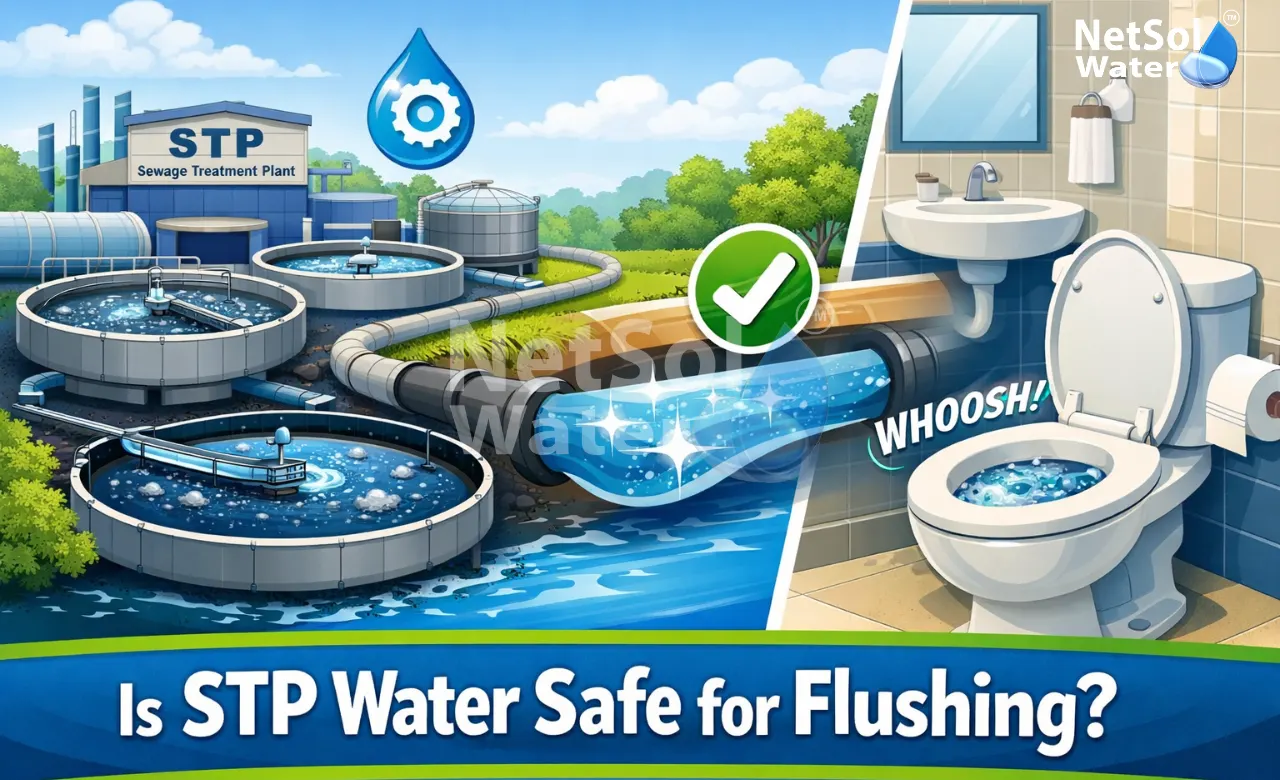
Sewage treatment plants across the world are transforming their operations to become more environmentally friendly. This change brings both environmental benefits and substantial cost savings. Modern sewage plants now use innovative technologies to clean wastewater while producing clean energy. These facilities also recycle valuable resources from waste materials. The switch to green practices helps sewage plants cut down their energy bills. It also creates new income streams through resource recovery. Many plant managers report significant savings after implementing green technologies. This transformation shows how environmental responsibility can align with financial success. The changes happening at sewage plants demonstrate the practical benefits of sustainable practices. As more facilities make this switch, they set an example for other industries to follow. These improvements in sewage treatment represent a major step toward a more sustainable future. They prove that going green can benefit both the environment and the bottom line.

Renewable Energy Generation at Modern Sewage Plants

The move toward renewable energy represents a fundamental shift in how sewage plants operate. Traditional sewage plants consume large amounts of electricity to run their equipment. Now many facilities generate their own power from the waste they process. This approach transforms sewage plants from energy consumers to energy producers.

  • Biogas Production Systems: Modern sewage treatment plants capture methane gas from decomposing organic waste. Special tanks called digesters break down solid waste to produce biogas. This biogas contains methane, which works like natural gas to generate electricity. The plants use this electricity to power their operations. Many facilities produce enough power to run their entire operation. Some even sell extra electricity back to the power grid.
  • Solar Power Integration: Many sewage treatment facilities now add solar panels to their properties. These panels take advantage of unused roof space and open areas. The solar arrays generate clean electricity during daylight hours. This solar power combines with biogas energy to make plants more self-sufficient. Solar installations also protect plants from rising electricity costs. The panels need minimal maintenance and work for many years.
  • Heat Recovery Systems: New sewage treatment plants capture heat from their processes to save energy. They use this recovered heat to warm their buildings and treatment tanks. Heat recovery systems help plants use less natural gas and electricity. These systems work especially well in cold climates where heating costs are high. The recovered heat also helps the treatment process work better.


Resource Recovery and Circular Economy

Modern sewage plants do more than just clean water. They now recover valuable materials from waste. This new approach turns waste products into useful resources. The process creates new revenue streams while helping the environment.


1. Fertilizer Production: Treatment plants now process solid waste into safe fertilizer products. This fertilizer helps farmers grow crops without using chemical fertilizers. The plants can sell this natural fertilizer to create extra income, and local farmers will benefit from having access to affordable natural fertilizers. This process turns a waste product into something useful.

2. Water Reuse Programs: Advanced treatment systems make wastewater clean enough to reuse. This cleaned water works for irrigation and industrial purposes. Some areas even process it into drinking water. Water reuse helps communities deal with water shortages. It also creates a new source of income for treatment plants.

3. Mineral Recovery: New technologies help plants extract minerals from wastewater. These minerals include phosphorus and nitrogen compounds. Industries use these recovered minerals as raw materials. The recovery process helps prevent water pollution. It also generates income for the treatment plants.

4. Smart Technology Integration: Modern sewage plants use advanced technology to work better. These smart-systems help plants save money and protect the environment. The technology makes plant operations more efficient and effective.

5. Automated Control Systems: New control systems adjust plant operations automatically. They monitor water quality and adjust treatment processes as needed. These systems help plants use less energy and chemicals. They also ensure the treated water meets all safety standards. The automation makes plant operations more reliable.

6. Data Analytics: Treatment plants now collect and analyze data about their operations. This information helps them find ways to save energy and materials. The analysis shows which processes need improvement. It also helps predict when equipment needs maintenance. This data-driven approach leads to better decisions.

7. Remote Monitoring: New monitoring systems let operators check plant operations from anywhere. They can spot problems quickly and fix them before they get worse. Remote monitoring reduces the need for constant on-site staff. It also helps plants respond faster to emergencies. These systems make plant operations safer and more efficient.

Take Action for Greener Sewage Treatment

The transformation of sewage plants shows how going green saves money. These changes benefit both the environment and plant budgets. Want to learn more about how sewage plants are becoming more sustainable? Contact your local water treatment facility. They can explain how green technologies work in their operations. You can also ask about tours or educational programs. Understanding these changes helps everyone appreciate the value of sustainable practices. Get involved in supporting green initiatives at your local sewage treatment plant.

To explore customised commercial RO plant, Industrial RO plant, ETP or STP solutions for your needs in your areas and nearby regions, Contact Netsol Water at:

Phone: +91-965-060-8473

Email: enquiry@netsolwater.com