RO Membrane - Sewage Treatment Plant Manufacturers

What-is-the-lifespan-of-the-industrial-RO-membrane-1.webp

April 20, 2026by Netsol Water

What Are the Three Layers of the RO Membrane?

Clean water has become a basic need in homes and industries. People need it for drinking, cooking, production, and many daily tasks. Industries also need purified water to keep machines running well and to maintain product quality. This is why reverse osmosis has become one of the most trusted water treatment methods in use today. A skilled manufacturer understands that the membrane is the main part of the plant.

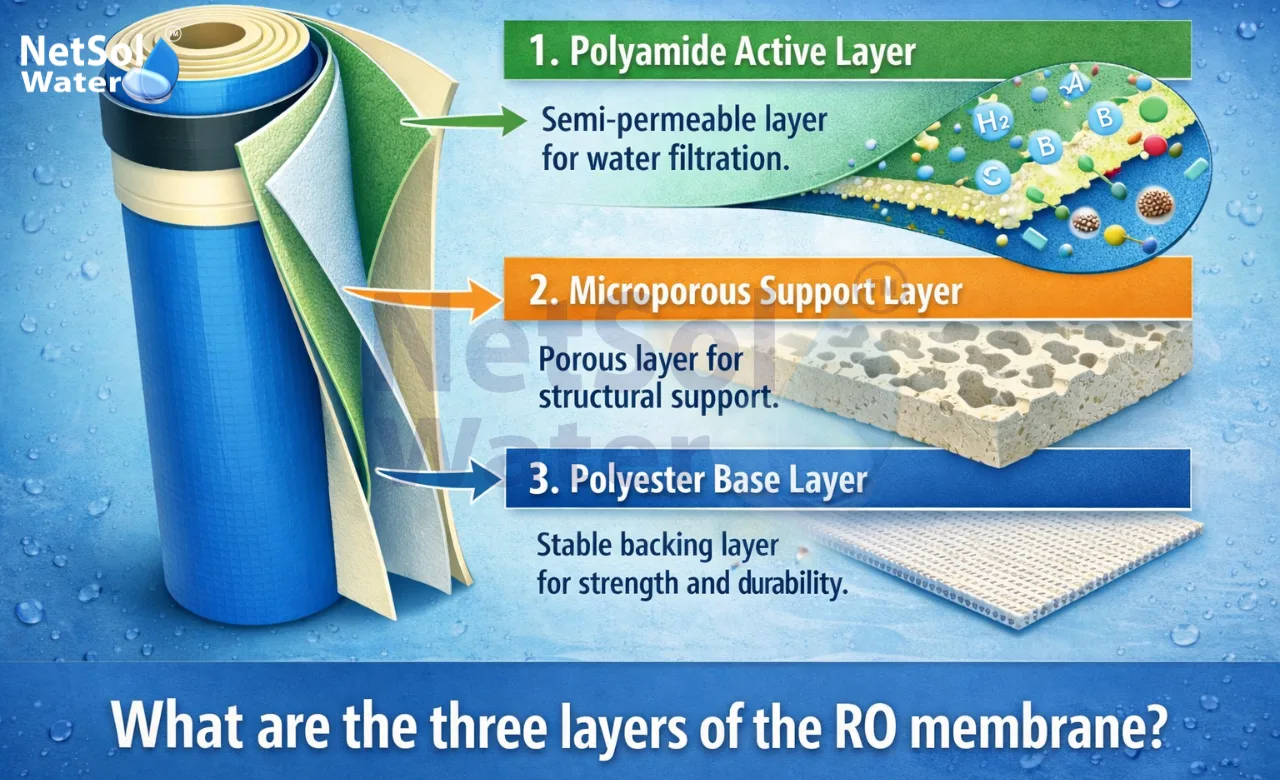
We are the leading commercial RO plant manufacturer that focuses on the science behind membrane performance and system efficiency. At first glance, the RO membrane may seem like a single thin sheet. In reality, it contains three different layers that work together in a smart and effective way. Each layer has a separate task. One layer filters the water. Another layer supports the filtering layer. The third layer adds strength and stability to the full structure. When these layers work together, the membrane performs well and delivers safe water for many uses.

Polyamide Barrier Layer

The polyamide barrier layer is the most important part of the RO membrane. It sits at the top and performs the actual filtration. This layer is extremely thin, yet it carries the main responsibility in the process. It controls what passes through and what stays behind. Because of this layer, the RO membrane can remove a very high amount of dissolved salts, organics, and bacteria from water.

1. How This Layer Works

This layer works like a very fine gate. Water molecules can pass through it while unwanted impurities cannot move forward with ease. The layer contains tiny spaces that designers create with great precision. These spaces are far smaller than most dissolved particles in water. So when pressurized water enters the membrane, the clean water moves ahead and the contaminants remain behind. This is the reason reverse osmosis can produce such pure water.

The polyamide layer is also delicate. It must stay thin because a thin layer helps water flow more easily. At the same time, it must remain strong enough to reject impurities. If this layer gets damaged, then the membrane loses its efficiency. That is why a dependable RO plant manufacturer always gives special attention to membrane quality, handling, and proper system design.

2. Why It Matters in Water Treatment

This top layer decides the quality of the final output water. It removes many unwanted substances that other filters may not catch. It also helps the RO plant produce water that meets strict standards for drinking and industrial use. Since this layer does the main job, it is often called the active layer. Without it, the membrane would not separate clean water from dirty water in such an effective way.

The polyamide barrier layer is only about 0.2 microns thick. That size may sound very small, and it is. Still, this tiny layer plays the biggest role in the membrane. It gives the RO system its filtration power and makes the membrane useful in many areas where water quality matters. This is one reason why every experienced RO Plant Manufacturer gives so much attention to this layer.

Polysulfone Interlayer

The polysulfone interlayer sits below the top barrier layer. It works as the support layer and helps the membrane stay stable during operation. This layer does not perform the main filtration but it supports the main job in a very important way. The top layer is very fragile and cannot perform alone. It needs a firm and even base. That base comes from the polysulfone layer.

1. Its Support Function

This middle layer has a porous structure. That means it contains many tiny openings that allow water to move through without much resistance. At the same time, it gives the top layer a smooth and steady surface. This matters because the thin polyamide layer must stay in place during operation. If the base is uneven, then the top layer may not form properly or may not withstand pressure for long.

The polysulfone layer also helps the membrane handle high pressure. RO systems work by pushing water through the membrane with force. Without a support layer, the top sheet could collapse or tear. The middle layer prevents that problem. It keeps the membrane working smoothly even when the system runs for long hours.

2. Why This Layer Is Essential

A strong membrane needs balance. It must allow water to flow and also keep its shape. The polysulfone interlayer provides that balance. It gives high permeability so water can pass through easily. It also offers enough mechanical strength so the membrane can survive real working conditions. This is very important in both domestic systems and large industrial units.

The thickness of this layer is usually around 40 to 50 microns. That makes it much thicker than the active layer. Even so, it remains light and porous. This layer may not appear visible during use but it plays a quiet and powerful role. A good RO plant manufacturer always understands that support layers decide how long a membrane can perform well.

Polyester Support Web

The polyester support web is the bottom layer of the RO membrane. It acts like the backbone of the whole structure. This layer gives the membrane its strength and durability. It may not filter water directly but it helps the entire membrane stay stable and intact. Without this layer, the membrane would not have the support it needs for long-term performance.

1. Its Structural Role

This bottom layer is usually made from non-woven fabric. It works like a strong backing sheet. Its purpose is to hold the other layers together and protect them from physical stress. Water systems create pressure and vibration. Membranes also face continuous flow and regular operation. The polyester support web helps the membrane handle all of this without breaking down too quickly.

This layer also makes handling easier during manufacturing and installation. It gives the membrane a firm base so the final product can be rolled, packed, and used safely. In real systems, this matters a lot because membranes must perform under changing conditions. The support web reduces the chance of damage and improves the life of the membrane.

2. Why Durability Depends on This Layer

The bottom layer plays a bigger role than many people realize. A membrane may have a strong filtering layer and a good support layer above it. Still, it needs a solid base to remain useful over time. The polyester web provides that base. It helps the membrane resist wear and tear. It also adds to the strength needed in both domestic and industrial RO systems.

The thickness of this layer is usually about 100 to 120 microns. That makes it the thickest among the three layers. Its role is not to filter but to protect and support. When this layer works well, the whole membrane becomes more reliable. This is another reason why a trusted RO plant manufacturer pays attention to every layer and not only the top surface.

How the Three Layers Work Together

The three layers of the RO membrane do not work separately. They work as one complete system. The top polyamide layer performs the filtration. The middle polysulfone layer supports the thin active layer. The bottom polyester web gives strength and durability. Together, they form a membrane that can clean water with great accuracy.

This layered design is what makes thin-film composite membranes so effective. Each layer solves a different problem. One layer blocks impurities. One layer supports water flow. One layer adds structure. When these layers come together in the right way, the membrane becomes highly efficient and long-lasting. That is why modern RO systems depend on this design for stable performance.

A professional manufacturer studies these layers carefully before designing a plant. Better membrane design leads to better water quality, better system life, and better overall results. This is true for homes, offices, factories, and many other places where clean water is needed every day. Netsol Water follows this approach as a leading RO plant manufacturer and focuses on dependable performance in every system.

Read some interesting information for the Commercial RO Plant Manufacturer in Faridabad

Conclusion

The three layers of an RO membrane make the reverse osmosis process possible. The polyamide barrier layer filters the water. The polysulfone interlayer supports the active layer. The polyester support web gives the membrane strength and stability. Each layer has its own role, and each one matters for smooth operation.

When people choose a reliable RO plant manufacturer, they get more than a plant. They get a water treatment solution built on strong membrane science and practical design. Netsol Water is a trusted manufacturer that focuses on quality, performance, and long-term value. For more information or to request a consultation, get in touch and explore the right RO solution for your needs.

Contact Netsol Water at:

Phone: +91-9650608473

Email: enquiry@netsolwater.com

What-is-the-lifespan-of-the-industrial-RO-membrane.webp

April 18, 2026by Netsol Water

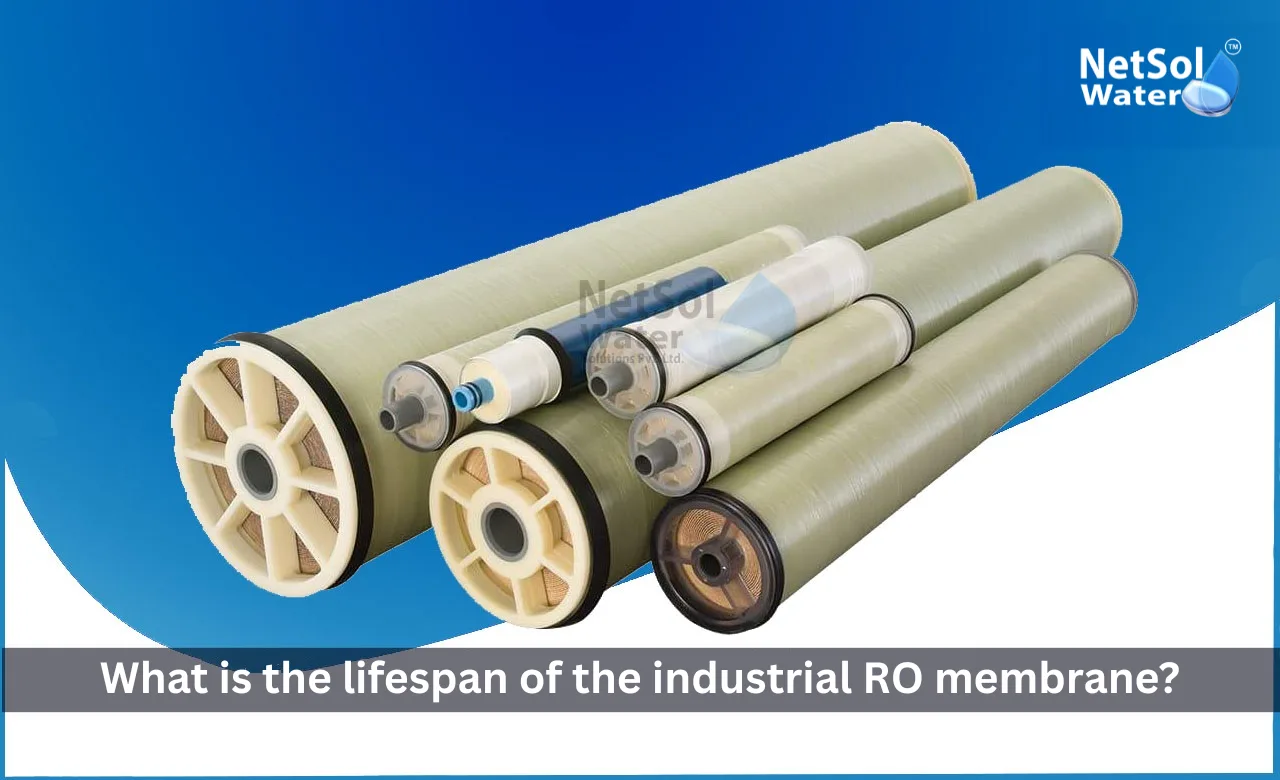
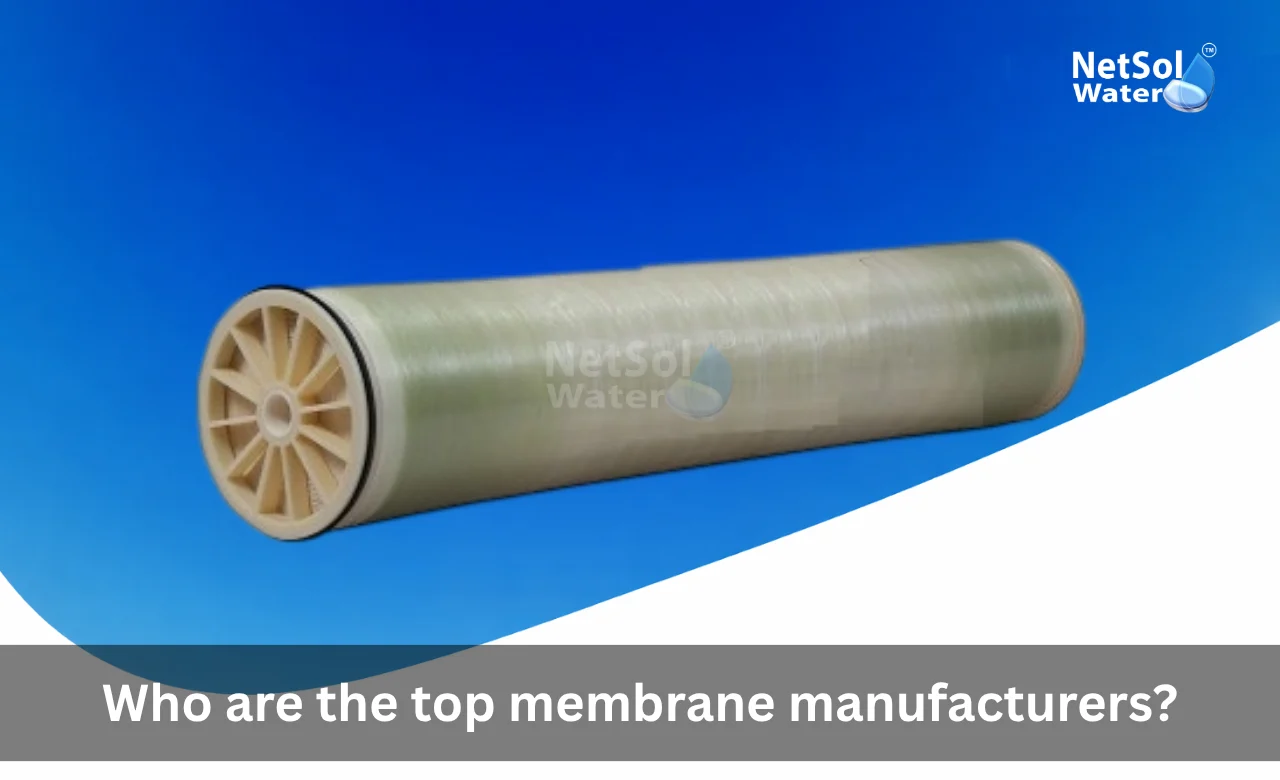
What is the lifespan of the industrial RO membrane?

An industrial RO membrane plays an important role in water treatment because it removes dissolved salts and many unwanted impurities from water. In many plants, it works for long hours every day. That is why its life matters so much for stable output and low running cost. When a membrane performs well, it supports smooth production and also helps the plant use less energy and fewer chemicals.

We are the leading industrial RO plant manufacturer and understand how important membrane life is for every industry. A good membrane can save money and reduce shutdowns. A poorly managed membrane can create pressure issues, low water quality, and frequent cleaning needs. The usual lifespan of an industrial reverse osmosis membrane is around 3 to 5 years under normal use. In some well-managed systems, it can work for 5 to 7 years. In a few harsh applications, it may last for a shorter time.

Lifespan Estimates by Application

The lifespan of an industrial RO membrane changes from one application to another. This happens because every plant works with a different type of feed water and a different level of load. Some plants treat clean feed water while others face heavy salts, oils, or process chemicals. That difference changes how hard the membrane must work each day.

1. Standard Industrial Use

In standard industrial use, a membrane usually lasts 3 to 5 years. This range suits normal operation where the feed water stays within design limits and the plant gets proper maintenance. The membrane still needs regular cleaning and monitoring. But when the system runs in a balanced way, the membrane can give steady service for a long time.

2. Well-Maintained Systems

A well-maintained system can extend membrane life to 5 to 7 years. This happens when the plant keeps strong pretreatment control and regular cleaning schedules. Operators also watch pressure, flow, and water quality very carefully. When they respond early to any change, the membrane faces less damage. This is where an industrial RO plant manufacturer often guides users on proper operation and care.

Process Applications

Process applications often reduce membrane life to around 1 year. These systems usually deal with more difficult water or tighter recovery targets. They may also face changing feed conditions during production. Such conditions increase stress on the membrane. As a result, the membrane needs closer attention and more frequent cleaning. In these cases, design and operation matter even more than normal.

1. Seawater Desalination

Seawater desalination systems often keep membranes in service for 2 to 5 years. Seawater contains very high salt content and that creates extra load on the membrane. Still, good quality membranes can work beyond 5 years in ideal conditions. This depends on correct pretreatment, stable pressure, and careful control of fouling. A strong system design makes a big difference here.

2. Poorly Operated Systems

Poorly operated systems may see membrane life fall below 2 years. This usually happens when pretreatment fails or when the operator ignores pressure and cleaning needs. The membrane then faces scaling, fouling, and chemical attack. In such systems, the membrane does not fail because of manufacturing weakness. It fails because the plant does not protect it well. That is why operation matters so much in every plant.

Key Factors Affecting Longevity

Membrane life does not depend only on age. It depends on daily conditions inside the system. A membrane may last for years if the plant protects it well. The same membrane may fail early if the water quality becomes harsh or if the operator ignores warning signs. Let us have a look at some of the main factors that affect membrane life.

1. Water Quality

Water quality has a direct effect on membrane life. High TDS, iron, calcium, and other dissolved solids put extra stress on the membrane surface. These substances can build up and reduce performance over time. If the feed water changes often, the membrane also faces unstable conditions. That is why feed water analysis matters before plant design and during operation. When water quality stays under control, the membrane can work more smoothly and for a longer time.

2. Pretreatment Quality

Pretreatment acts as the first line of defense for the membrane. It removes suspended solids, chlorine, and other harmful elements before water enters the RO stage. If pretreatment works well, the membrane faces less damage and less fouling. If pretreatment fails, the membrane gets exposed to particles and chemicals that can cause serious harm. A strong pretreatment system does not only protect the membrane. It also improves the full plant performance and lowers cleaning frequency. This is one reason an experienced industrial RO plant manufacturer gives so much attention to pretreatment design.

3. Chemical Exposure

Chemical exposure can destroy a membrane very fast. Chlorine and other oxidants can damage thin film composite membranes almost instantly. This is why operators must control chemical dosing carefully. Even a short mistake in chemical handling can create long-term harm. The membrane material is sensitive and it cannot recover from severe oxidative attack. So the plant must use the right chemicals in the right amount. Good chemical control keeps the membrane safe and helps the system stay stable.

4. Operating Parameters

Operating parameters also shape membrane life. Pressure, temperature, and pH must stay within the design range. When the plant runs outside these limits, the membrane wears out faster. High temperature can weaken the membrane and reduce its efficiency. A temperature below 40°C is usually safer for long-term use. Pressure that stays too high can also stress the membrane and the system parts. Stable operation protects both the product water and the membrane surface.

5. Fouling and Scaling

Fouling and scaling are among the most common reasons for early membrane decline. Organic matter can collect on the membrane surface and block water flow. Minerals like calcium carbonate and other salts can form scale and make the membrane work harder. Once this layer grows, it raises pressure and lowers water output. Cleaning can remove some of the buildup but repeated fouling shortens life. That is why the plant should monitor recovery rates and cleaning intervals closely. A well-planned maintenance routine gives the membrane a better chance to last longer.

Signs for Replacement

Every membrane shows signs before it reaches the end of its useful life. Operators should watch these signs early so they can avoid bigger losses. When the membrane starts to fail, the whole system may work harder and produce less clean water. Let us have a look at some clear signs that point to replacement.

1. Permeate Flow Drops

A drop in permeate flow is one of the first warning signs. The membrane produces less clean water even when the system keeps running under the same conditions. This may happen because of fouling, scaling, or internal damage. If cleaning does not restore the flow to a good level, the membrane may need replacement. Early action helps the plant avoid extra load and production loss.

2. Salt Passage Increases

When salt passage increases, the filtered water becomes less pure. The conductivity or TDS of the permeate rises. This tells the operator that the membrane can no longer block salts as well as before. The change may start slowly but it grows over time. When the water quality falls below the needed level, the membrane stops meeting process demand. At that stage, replacement becomes the safer choice.

3. Increased Pressure

Higher pressure for the same flow rate also shows membrane trouble. The system needs more force because the membrane faces heavy fouling or internal blockage. This can raise energy use and create more stress on pumps and pipes. If the pressure keeps rising after cleaning, then the membrane may have aged beyond useful service. This is a strong sign that the plant should plan for replacement soon.

Read some interesting information for the Sewage Treatment Plant Manufacturer in Faridabad

Conclusion

The life of an industrial RO membrane depends on how well the plant protects it each day. Good pretreatment, careful chemical control, stable operation, and regular cleaning all support longer service. Most membranes last about 3 to 5 years under normal conditions. Some last even longer when the system gets proper care. Others fail early when operators ignore water quality and pressure changes. A membrane is a valuable part of the plant and it deserves proper attention.

Netsol Water, as an industrial RO plant manufacturer, helps industries choose the right plant and maintain it with care. If you need better membrane life, lower downtime, and more stable water quality, then reach out for expert support or request a consultation today.

Contact Netsol Water at:

Phone: +91-9650608473

Email: enquiry@netsolwater.com

Add-a-heading.webp

April 17, 2026by Netsol Water

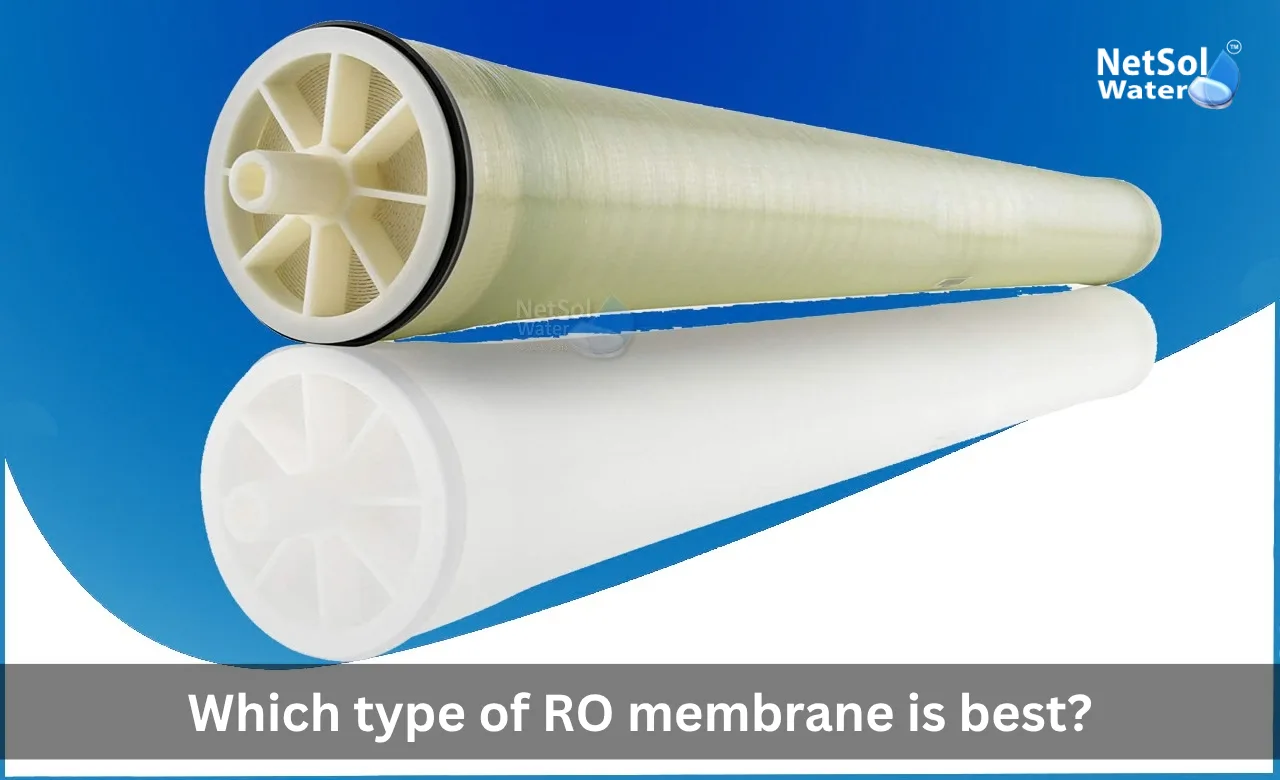
How to Increase RO Membrane Life?

A reverse osmosis plant works best when its membrane stays clean and healthy. This part of the plant does the main job of removing salts and unwanted particles from water. That is why membrane care matters so much in every industrial setup. When a membrane stays protected, it gives better flow and better water quality for a longer time. It also helps the system run with lower repair cost and fewer shutdowns.

We are the leading RO Plant Manufacturer and understands how important membrane protection is for smooth plant performance. Many users focus only on water output but forget that membrane life decides the long-term value of the system. A well-cared-for membrane can last for years.

1. Robust Pretreatment

Pretreatment is the first and most important shield for the membrane. If feed water carries dirt, chlorine, hardness, or fine suspended solids, then the membrane faces stress every day. Over time, this leads to scaling, fouling, and early damage. When a plant uses strong pretreatment, it reduces pressure on the membrane and helps the full RO plant work more efficiently. Let us have a look at some of the main pretreatment methods that keep the membrane safe.

A. Sediment Filters

Sediment filters protect the membrane from sand, rust, and large particles. These particles may look harmless at first but they can block flow and cause uneven loading on the membrane surface. When this happens, the system needs more pressure to push water through. That extra pressure shortens membrane life.

Regular replacement of sediment filters keeps the feed water cleaner and helps the membrane breathe better. In many plants, a change every 6 to 12 months works well. However, the exact timing depends on water quality and usage. A clean sediment filter also helps other treatment stages work better because it stops heavy dirt before it spreads through the system.

B. Carbon Filters

Carbon filters play a key role when the feed water contains chlorine. Chlorine can damage polyamide membranes and this damage often cannot be repaired. Even a small amount of leftover chlorine can weaken the membrane surface over time.

Carbon filters remove chlorine before the water enters the RO unit. They also reduce some odour and organic impurities. That makes them a valuable part of pretreatment. In most systems, they need annual replacement. Still, the best practice is to check their condition often so that the membrane never receives chlorinated water. A strong carbon filter stage saves the plant from costly membrane replacement.

C. Water Softeners and UF Stage

Hardness is another major problem for membrane health. Calcium and magnesium can form scale on the membrane surface. This scale reduces flow and raises operating pressure. A water softener helps remove hardness before it becomes a problem. In some cases, antiscalant dosing also works well. It prevents minerals from forming hard layers inside the system.

When the feed water has high turbidity or biological load, then an ultrafiltration stage adds even more protection. UF removes fine colloids and bacteria before the RO stage. That can reduce cleaning need and keep the membrane in better shape for a longer time. Good pretreatment always pays back through better membrane life and steadier output.

2. Regular Cleaning and Flushing

Cleaning keeps the membrane active and efficient. Even when pretreatment works well, some fouling still builds up with time. Salts, organics, and biological matter can settle on the membrane surface and reduce performance. If the plant operators ignore this buildup, then the fouling becomes harder to remove.

Regular cleaning and flushing stop that problem early. This is why many experienced operators treat cleaning as a routine habit rather than a rescue step. Let us have a look at some cleaning methods that protect membrane life.

A. Automatic Flushing

Automatic flushing removes concentrated salts and loose debris from the membrane surface. It usually runs after shutdown or at set intervals. This simple step helps prevent deposits from staying on the membrane for too long. When the system stops and water sits inside the lines, the salts become more concentrated. That increases the chance of fouling.

A flush with permeate water clears the surface and keeps the membrane fresh for the next cycle. Plants that use regular flushing often see better flow stability and lower cleaning demand. It also helps the system restart more smoothly after a break.

B. Chemical Cleaning or CIP

Chemical cleaning becomes necessary when performance starts to drop. A common sign is a 10 to 15 percent fall in water production or a clear rise in pressure. At that stage, a Clean-in-Place process can restore much of the lost performance. Acidic cleaning removes scale and metal deposits.

Alkaline cleaning removes organic matter, biological growth, and clay. The plant should use the right chemical and follow the correct order because wrong cleaning can harm the membrane. Timely CIP stops early fouling from turning into permanent damage. It also helps the operator understand the actual health of the membrane before the problem becomes severe. Regular cleaning works best when the team acts early and does not wait too long.

3. Optimized Operation

Operating the RO plant in the right way is just as important as pretreatment and cleaning. A membrane may still fail early if the system runs with unstable pressure, wrong temperature, or poor monitoring. Good operation protects the membrane from mechanical stress and chemical stress. It also keeps water quality steady and lowers energy use.

Netsol Water, as a trusted Industrial RO Plant Manufacturer, always recommends careful monitoring because a stable system often gives a longer membrane life. Let us have a look at some operation practices that support this goal.

A. Stable Pressure and Soft Start

Sudden pressure spikes can damage membrane elements and other system parts. This problem often appears during startup when the pump sends a sudden surge of water through the lines. To avoid this issue, the plant should use a soft-start pump or a variable frequency drive. These tools help pressure rise slowly and smoothly. That reduces shock on the membrane and lowers the chance of physical damage.

Stable pressure also improves system control. When pressure stays steady, the membrane performs more predictably and the operator can respond faster to changes. A calm start and stop cycle may seem small but it makes a big difference in membrane life.

B. Monitor TDS and Water Quality

Regular TDS checks help the operator notice membrane decline early. A handheld TDS meter gives quick readings and helps compare feed and permeate water. If permeate TDS rises above normal limits, then the membrane may have lost rejection power. This may happen due to fouling, damage, or natural aging.

Weekly checks can reveal these changes before the problem becomes severe. In a healthy system, the operator should also watch pressure and flow together because one number alone does not tell the full story. Good monitoring helps the team take action at the right time and avoid larger losses later.

C. Temperature Control

Temperature also affects membrane life and system output. Feed water that is too cold reduces flow and makes the system work harder. Water that is too hot can harm membrane material and reduce rejection.

Most plants perform best when the feed water stays in a moderate range around 25°C to 30°C. This keeps the membrane safe and helps the plant deliver more stable results. In practical terms, the operator should track seasonal changes and adjust the system as needed. A stable operating temperature protects both performance and membrane structure.

4. System Storage

System storage often gets less attention than cleaning or pretreatment, but it still matters a lot. When the plant stays idle for a long time, the water inside the membrane can become a place for microbial growth. That can cause odour, fouling, and damage to the membrane surface. Proper storage protects the system during shutdown and helps it start again in a healthy condition. Let us have a look at why this step matters and how it helps.

A. Short Idle Periods

If the system stops only for a short time, then simple flushing may be enough. The team should remove stagnant water and keep the membrane from sitting in dirty liquid. This helps reduce salt buildup and biological growth. Short shutdown care is useful for regular maintenance breaks or planned pauses. It keeps the membrane in better condition and makes restart easier. Even a brief idle period can create risk if the water inside the system is left unchanged.

B. Long Idle Periods

When the plant will remain idle for more than 24 to 48 hours, then preservation becomes necessary. In such cases, the membrane should be flushed and stored with a manufacturer-approved solution such as sodium bisulfite. This solution helps slow microbial growth and keeps the membrane safe during downtime. Proper storage reduces the chance of foul smell, slime, and surface damage. It also protects the system from hidden losses that may appear only after restart. Good shutdown practice is one more step that extends membrane life and supports smooth plant operation.

Read some interesting information for the Industrial RO Plant Manufacturer in Noida

Conclusion

RO membrane life depends on daily care and disciplined operation. Strong pretreatment, regular cleaning, stable operation, and proper storage all work together to protect the membrane from early damage. When these steps stay part of routine plant practice, the system gives better output and lower running cost. This also helps businesses get more value from their water treatment investment.

Netsol Water, as an experienced Industrial RO Plant Manufacturer, supports industries with practical RO solutions that improve performance and protect long-term system health. If you want better membrane life and smoother plant operation, then connect with us for more information or request a consultation today.

Contact Netsol Water at:

Phone: +91-9650608473

Email: enquiry@netsolwater.com