
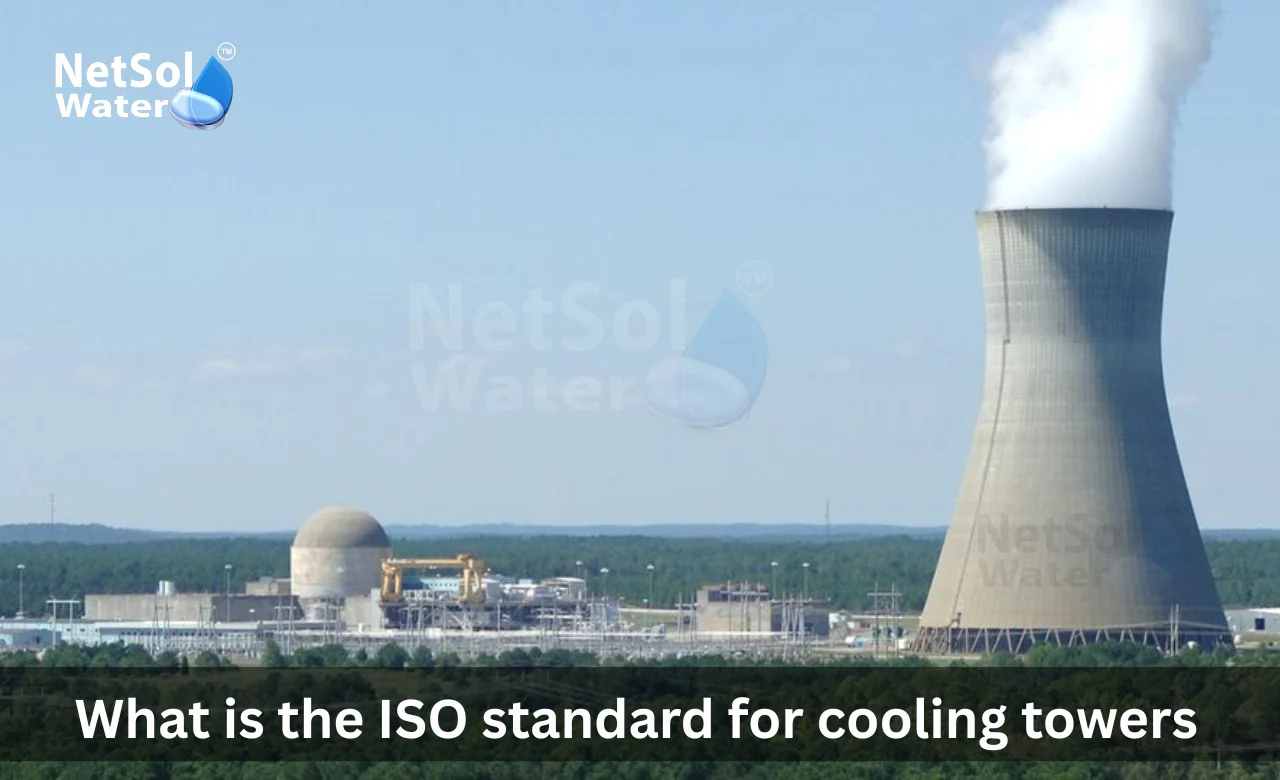
What is the ISO Standard for Cooling Towers?
Cooling towers play a major role in many industries because they help remove heat from water and keep systems working well. When a cooling tower runs without proper control, it can lose efficiency and create many water quality issues. That is why people look at clear rules and testing methods before they choose or run a system. In this field, the right standard helps teams measure performance in a fair way and compare one tower with another. It also helps them understand the Parameters for Cooling Tower that affect heat transfer, flow, and overall stability.
For companies that manage industrial water systems, this matters a lot because small errors can lead to high energy use and poor cooling. We are the leading name that many people turn to when they need support in water treatment and cooling system care. We explore the main ISO standard for cooling towers and also show why other ISO standards matter for daily use.
ISO 16345:2014 and Why It Matters
The main ISO standard for cooling towers is ISO 16345:2014. This standard gives a clear method for testing and rating thermal performance. It helps users check how well a cooling tower removes heat under defined conditions. That matters because a tower may look strong from the outside yet still perform poorly if the thermal design does not match real needs. The standard gives structure to the testing process so companies can compare results in a fair and repeatable way.
1. Thermal Performance Testing
Thermal performance testing is the heart of ISO 16345:2014. It measures how well the tower cools water while the system runs. The standard looks at important conditions such as water flow, air flow, inlet temperature, and outlet temperature. These values show whether the tower can remove enough heat for the process. If a plant ignores these values, it may keep running a tower that uses more power than needed. It may also miss early signs of poor heat transfer. A good test helps engineers make better choices about operation and maintenance.
2. Pumping Head and Tower Type Coverage
ISO 16345:2014 also covers pumping head. This matters because a cooling tower does not work alone. Water must move through the system with the right pressure and flow. If the pumping head becomes too high, the system wastes energy. If it becomes too low, the water may not circulate as needed. The standard applies to different tower types such as mechanical draft towers and natural draft towers. It also covers open and closed circuit systems and wet and wet/dry designs. This wide coverage makes the standard useful across many industries. It gives plant teams a common way to examine performance even when tower design changes.
Other ISO Standards That Support Cooling Tower Systems
ISO 16345:2014 may be the central performance standard but it is not the only one that matters. Cooling towers work as part of a wider water system. They face corrosion, fouling, noise, and water reuse issues. So other ISO standards help users manage these concerns in a structured way. When a company follows these standards, it can protect equipment and improve system life. It can also make the Parameters for Cooling Tower easier to control because the tower stays cleaner, safer, and more stable.
1. ISO 16784-2 and System Condition
ISO 16784-2:2006 focuses on corrosion and fouling in industrial cooling water systems. This is important because corrosion can damage metal parts while fouling can block heat transfer surfaces. Both problems reduce cooling tower efficiency. They also make the system harder to control. The standard helps users evaluate treatment programmes so they can see whether their current approach works well. A plant that watches these conditions closely can lower repair needs and avoid sudden breakdowns. It can also keep the tower closer to its design condition.
2. ISO 22449-1 and Reclaimed Water Use
ISO 22449-1:2020 gives guidance on using reclaimed water as make-up water in industrial cooling systems. This standard matters because many plants now look for water-saving solutions. Reclaimed water can reduce fresh water demand but it also brings new risks. It may carry salts, solids, or other unwanted substances. These materials can affect scaling, corrosion, and microbial growth. The standard helps users think through these risks before they use reclaimed water in a tower. That makes planning safer and more practical. It also affects the Parameters for Cooling Tower because water quality changes can shift performance and maintenance needs. A tower may still work well with reclaimed water but only when the system design and treatment plan suit the source water.
How the Right Standard Helps Daily Cooling Tower Operation
Standards are useful only when teams use them in real plant work. That is why operators, engineers, and water treatment teams must understand how to apply the rules in daily tasks. A standard gives direction but people still need to read system data and take action at the right time. This is where practical control becomes important. The Parameters for Cooling Tower do not stay fixed forever. They change with weather, load, water quality, and equipment condition. So teams need a simple way to connect testing results with daily operation.
1. Parameters That Affect Real Performance
The main Parameters for Cooling Tower include water flow, air flow, inlet temperature, outlet temperature, cycles of concentration, and make-up water quality. Each one affects how well the tower removes heat. For example, if water flow rises too much, the tower may not cool it properly. If air flow drops, the system may struggle to release heat. If make-up water quality is poor, then scaling and fouling may rise quickly. A good standard helps the team see which parameter is driving the issue. It also helps them avoid guesswork. This is useful in plants that run under changing load because the tower must respond without losing balance.
2. Noise and System Layout
Cooling tower operation also links with noise and layout. ISO 3744 helps assess sound power level and noise emissions from cooling units. This matters in industrial sites and in places where nearby workers or communities may hear the equipment. A tower that runs within the correct performance range but creates high noise can still cause trouble. That is why system reviews should not focus on heat transfer alone. The layout drawings and symbols used in process design also matter. ISO 10628-2 supports standard diagram symbols for cooling towers in process industry P&IDs. This helps engineers read documents clearly and keep the design accurate.
Read some interesting information for the Commercial RO Plant Manufacturer in Delhi
Conclusion
A cooling tower must do more than cool water. It must do it safely, efficiently, and with steady control. That is why the right ISO standard matters. ISO 16345:2014 gives the main method for testing thermal performance and pumping head. Other standards support corrosion control, reclaimed water use, noise control, and design clarity. Together, they help teams make better decisions and reduce system problems. When plants understand the Parameters for Cooling Tower, they can improve efficiency, protect equipment, and plan maintenance with more confidence. They can also compare systems in a fair way and choose treatment steps that match real conditions.
Netsol Water is the leading support partner for many industries that want better control of cooling water systems and stronger results over time. If your cooling tower needs better testing, water treatment guidance, or performance support, then reaching out for expert advice can help you move in the right direction. A well-managed tower gives better service, lower waste, and smoother operation for the long run.
Contact Netsol Water at:
Phone: +91-9650608473
Email: enquiry@netsolwater.com