Effluent - Sewage Treatment Plant Manufacturers

What-are-the-Applications-of-Commercial-Water-Softeners-4.webp

September 19, 2026by Netsol Water

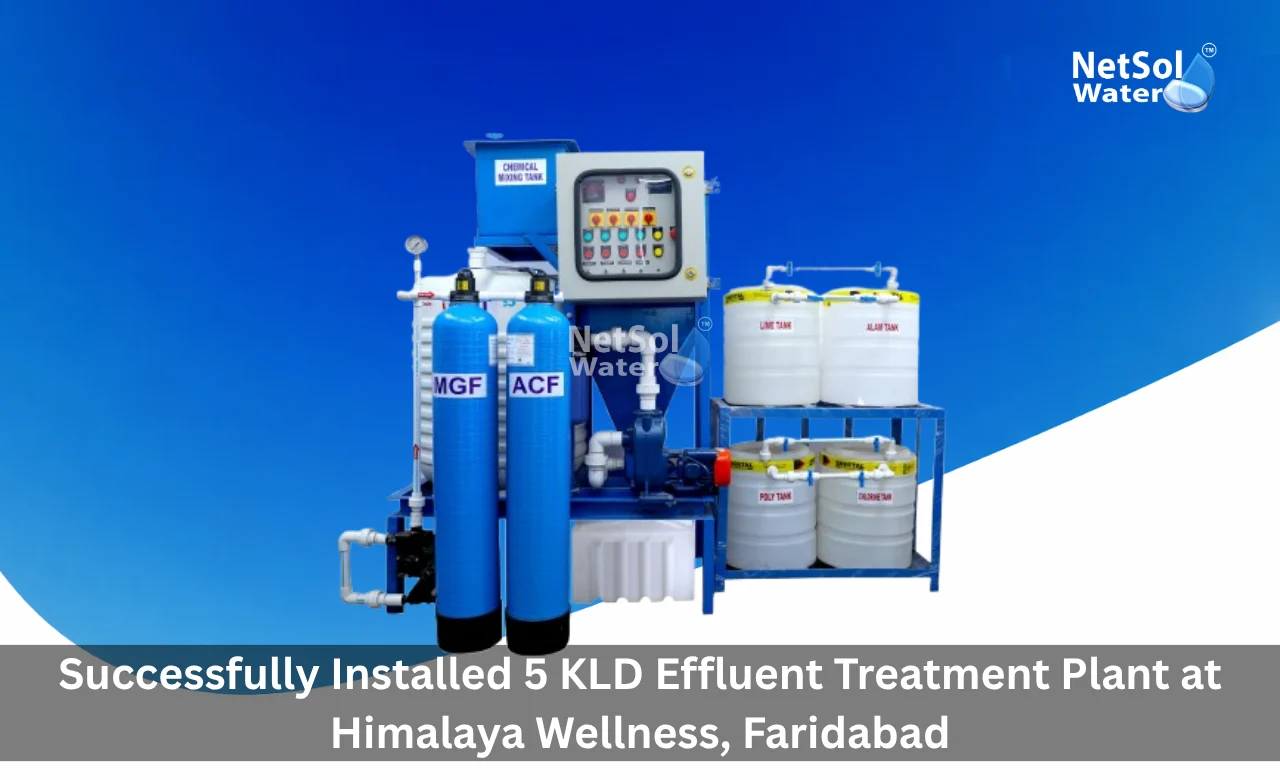
Successfully Installed 5 KLD Effluent Treatment Plant at Himalaya Wellness, Faridabad

Effective effluent management plays an important role wherever an industrial or commercial facility generates wastewater as part of its operations. Such wastewater needs suitable treatment before the facility can manage or reuse it in an appropriate manner. The right treatment solution should match the volume of effluent generated and should also fit the operational needs of the site. This project involved the successful installation of a 5 KLD Effluent Treatment Plant at Himalaya Wellness in Faridabad.

The project was undertaken to provide a suitable treatment arrangement for the client’s effluent management requirement. The installed plant offers a dedicated system for handling the specified treatment capacity and creates a structured process for managing wastewater at the facility. The work covered the installation of the treatment plant and the related activities needed to prepare the system for operation.

For the client, the project addressed an important operational need by creating a defined wastewater treatment setup. The successful completion of the installation also provided a practical foundation for proper effluent handling at the site. Netsol Water executed the project with attention to the stated plant capacity and the requirements associated with site installation.

Project Overview

A wastewater treatment project becomes effective when the treatment capacity and site requirements receive proper attention from the beginning. An ETP must suit the quantity of effluent that the facility needs to manage. It must also be installed in a manner that allows the treatment system to operate in an organised and controlled way. This project focused on meeting that requirement through the installation of a 5 KLD treatment plant at the client’s facility in Faridabad.

The client required an Effluent Treatment Plant to manage its wastewater treatment needs. The objective was to establish a treatment system with a defined capacity of 5 KLD and to complete the installation in a suitable manner at the project site. The system was intended to support proper effluent treatment as part of the facility’s wastewater management arrangement.

The project scope included the planning and installation of the treatment plant along with the site-level work required to put the system into operation. The installation had to account for equipment placement and the connection of the relevant system components. Proper coordination during these activities helped maintain a logical flow from site preparation to testing and commissioning.

The project also demonstrated the importance of selecting an appropriate treatment capacity rather than installing a system without considering the expected effluent volume. A plant that matches the intended requirement creates a more organised treatment process and helps the facility manage its wastewater through a dedicated system.

Client Details

The project was completed for Himalaya Wellness at its facility in Faridabad. A treatment system becomes necessary when a facility needs a dedicated arrangement for handling the effluent generated through its operations. Without a suitable treatment setup, wastewater management can become difficult to organise and control. An ETP provides a structured process through which the facility can handle its treatment requirement through a designated plant.

For this project, the client needed a treatment solution with a capacity aligned to the stated requirement. The 5 KLD plant provided a defined treatment scale for the site. This helped create a clear framework for the wastewater treatment process rather than leaving effluent handling dependent on an unsuitable or undefined arrangement.

The requirement also placed importance on installation quality. A treatment plant does more than bring together individual components. The equipment must occupy suitable positions and the system connections must allow the treatment process to function correctly. These factors matter because the plant must operate as a complete system after installation.

Since the project took place at a specific operating facility, location also influenced how the installation needed to be planned and executed.

Detail Information
Client Himalaya Wellness
Location Faridabad
Solution Provided 5 KLD Effluent Treatment Plant
Installed By Netsol Water


Project Location

Project location plays an important role in wastewater treatment installation because the treatment plant must fit within the available site and operate as part of the facility’s existing arrangement. The 5 KLD ETP was installed at the Himalaya Wellness facility in Faridabad. The location therefore became an important part of the installation planning and execution process.

A treatment plant placed within an operating facility needs proper attention to space, equipment positioning and system connections. The installation team must ensure that the plant can occupy the designated area and that the treatment system can connect correctly with the relevant wastewater flow and discharge or reuse arrangement. Even when the treatment capacity is fixed, the physical site can affect how the equipment is positioned and connected.

The Faridabad location also meant that the installation had to be organised around the client’s facility. The project team needed to focus on carrying out the work in a practical sequence so that the equipment could be placed correctly and the treatment system could be prepared for testing.

The treatment capacity selected for the project provides the next important point of understanding.

Plant Capacity

Plant capacity determines how much effluent a treatment system is designed to handle within a given operating period. Choosing the correct capacity helps ensure that the plant matches the intended wastewater treatment requirement. A system with an appropriate capacity provides a practical foundation for handling the expected effluent load at the facility.

For this project, the installed plant capacity was 5 KLD. KLD means kilolitres per day and is a standard unit used to express daily treatment capacity. A 5 KLD ETP therefore represents a treatment capacity of 5 kilolitres per day.

The selected capacity gave the client a defined treatment scale for its wastewater management requirement. It established the expected daily volume for which the plant was intended to provide treatment. This is important because treatment systems need a clear capacity target to support proper equipment selection and process planning.

Capacity also affects the way the treatment plant is integrated into the site. The incoming effluent flow needs to reach the treatment system in a controlled manner. The equipment and process stages must then work together to manage the wastewater volume associated with the plant design.

The 5 KLD capacity should therefore be understood as the central operating specification of the project. No additional flow rates or load values have been provided. The installation was completed according to the stated 5 KLD project requirement.

Once capacity has been established, the treatment approach becomes the next area of focus.

Parameter Specification
Installed Capacity 5 KLD (Kilolitres Per Day)
Plant Type Effluent Treatment Plant (ETP)
Project Site Himalaya Wellness, Faridabad
Design Basis Defined daily treatment scale matched to client’s requirement


Treatment Technology

The treatment technology determines how wastewater moves through the plant and how unwanted contaminants are separated or treated. A suitable ETP process normally depends on factors such as the nature of the effluent, the required treatment objective and the capacity of the plant.

1. Role of the ETP Process

An ETP works by receiving wastewater and guiding it through treatment stages that reduce or remove undesirable substances before the treated water reaches the intended next stage of use or disposal. Each stage supports the following stage by improving the condition of the water entering it.

In a properly planned plant, the process begins with the controlled entry of effluent. The system then manages the wastewater through the treatment arrangement before producing treated water and handling the resulting sludge or waste streams in the appropriate manner.

2. Technology Selection for the Project

For this installation, the most important confirmed technology fact is the use of a dedicated Effluent Treatment Plant with a 5 KLD capacity. The actual process units and their design parameters were selected as part of the project engineering work.

This distinction is important because treatment technology should always reflect the actual characteristics of the wastewater. A system designed for one type of effluent may require a different process arrangement for another type. The next section considers the quality of the incoming effluent and explains why this information matters during treatment system design.

Influent Characteristics

Understanding the incoming effluent is one of the first requirements in designing an effective treatment system. The characteristics of wastewater influence the treatment approach, equipment selection and expected plant operation. Parameters such as pH, TDS, hardness, turbidity, suspended solids, organic load, iron and microbial content may be relevant depending on the nature of the wastewater.

Importance of Incoming Water Analysis

An influent analysis helps the engineering team understand what the treatment system needs to address. Different wastewater streams can carry different physical, chemical and biological characteristics. A plant must therefore respond to the actual nature of the effluent instead of using a generic treatment assumption.

For example, turbidity and suspended matter can affect the initial treatment stages. Organic content can influence the type of biological treatment required where applicable. pH can affect chemical reactions and biological activity. Other dissolved or suspended substances may also affect downstream treatment.

Parameter Relevance to Treatment
Turbidity / Suspended Matter Can affect the initial treatment stages
Organic Content Can influence the type of biological treatment required, where applicable
pH Can affect chemical reactions and biological activity
Other Dissolved/Suspended Substances May affect downstream treatment


Treatment Process

A proper treatment sequence helps the plant manage wastewater in a controlled manner. Each treatment stage should prepare the effluent for the next stage while supporting the overall treatment objective. The complete process therefore depends on coordination between the inlet arrangement, treatment units, water movement and final treated water handling.

1. Effluent Entry and Initial Handling

The treatment process begins when the incoming effluent reaches the plant. The plant receives the wastewater through the designated inlet arrangement. At this stage, the objective is to bring the effluent into the treatment system in a controlled manner.

Initial handling is important because uncontrolled inflow can affect treatment conditions. A well-organised inlet arrangement helps direct the wastewater into the appropriate stage and maintains the intended process flow.

2. Primary Treatment

The next part of an ETP generally focuses on removing or managing larger suspended matter and other substances that can interfere with later stages. Depending on the actual system design, this may include physical separation or other preliminary treatment methods.

The role of this stage is to reduce the load placed on downstream treatment units. By preparing the wastewater before more detailed treatment begins, the process can move forward in a more controlled way.

3. Secondary or Main Treatment

After the initial stage, wastewater moves into the main treatment portion of the plant. This part of the system addresses the contaminants that require further treatment. The exact method depends on the process technology selected for the project.

Where biological treatment forms part of an ETP, microorganisms can help break down biodegradable organic matter under controlled conditions. Where physico-chemical treatment applies, treatment may use chemical reactions and separation methods to manage specific contaminants.

4. Clarification and Separation

After the main treatment stage, the water may pass through a separation stage that allows treated water to move forward while settled material is separated from the water stream. Such separation supports the production of clearer treated water and helps manage the solids generated during treatment.

The success of this stage depends on appropriate flow control and suitable process conditions. It also connects directly with sludge management because the separated solids need proper handling.

5. Final Treatment and Treated Water Collection

The final part of the process prepares the treated water for its intended use or disposal route. Depending on the system configuration, additional polishing or filtration may be included.

The treated water then moves to the designated collection or reuse arrangement. This completes the treatment journey and provides the facility with an organised method for managing the output from the ETP.

Stage Function
Effluent Entry and Initial Handling Brings incoming effluent into the treatment system in a controlled manner
Primary Treatment Removes or manages larger suspended matter to reduce downstream load
Secondary or Main Treatment Addresses contaminants requiring further treatment (biological or physico-chemical)
Clarification and Separation Separates settled material from the treated water stream
Final Treatment and Treated Water Collection Prepares treated water for its intended use or disposal route


Major Equipment

Proper equipment selection supports the reliable operation of a treatment plant because every component has a specific role in moving or treating wastewater. Equipment must also work together as part of one process. The installation therefore requires attention not only to individual components but also to their positioning and connections.

1. Treatment Units

The major treatment units form the working structure of the ETP. They receive the incoming effluent and provide the process stages needed to treat it. Their arrangement determines how wastewater moves through the plant from inlet to treated water collection.

2. Pumps and Flow Equipment

An ETP generally requires suitable pumping and flow-control arrangements to move wastewater between treatment stages. These components help maintain the required movement of water through the system.

3. Sludge Handling Components

Treatment can produce sludge that needs controlled collection and handling. A complete plant therefore requires an arrangement for managing the solids generated during treatment.

4. Control and Connection Systems

The treatment plant also needs appropriate electrical and process connections so that its components can operate together. Correct connection work helps the operator use the treatment system in an organised manner.

The confirmed equipment-related outcome is that the complete 5 KLD treatment plant was installed at the project site. The next stage explains how that installation was carried out.

Equipment Role in the System
Treatment Units Form the working structure of the ETP; provide the process stages
Pumps and Flow Equipment Move wastewater between treatment stages
Sludge Handling Components Provide controlled collection and handling of sludge
Control and Connection Systems Electrical and process connections enabling components to operate together


Installation Process

Plant installation requires careful planning because the treatment system must move from a set of individual components to a functioning process. The team needs to consider the site area, equipment placement, connections and overall process sequence before regular operation begins.

The installation process for the project centred on placing the 5 KLD ETP at the designated facility and preparing the system for commissioning. The work followed a logical progression so that each stage supported the next.

1. Site Preparation

The first requirement involved preparing the site for the treatment plant. Proper site preparation helps create the necessary working conditions for equipment placement and system assembly.

2. Equipment Placement

After the site was prepared, the treatment plant components were positioned according to the planned arrangement. Equipment placement matters because the process depends on correct flow between the various treatment stages.

The team had to ensure that the equipment occupied suitable positions within the available area. This stage also helped create a clear route for the system connections.

3. System Connections

The next stage involved connecting the relevant sections of the treatment system. Water flow connections and other required links had to be established so that the plant could operate as one integrated treatment arrangement.

Good connection work is essential because even correctly placed equipment cannot function as intended unless the process path remains properly connected. The installation team therefore worked through the system in sequence rather than treating each component as a separate installation task.

4. Final Installation Checks

Once the equipment and connections were in place, the system underwent final checks before commissioning. These checks prepared the plant for operational testing and ensured that the installed arrangement was ready for the next stage.

After installation work reached completion, the project moved into commissioning.

Plant Commissioning

Commissioning confirms whether an installed treatment plant is ready for regular operation. It allows the team to check the condition of the installed equipment and verify that the treatment system responds correctly when operated.

For the 5 KLD ETP, commissioning followed the completion of the installation work. The team checked the installed arrangement and prepared the plant for operation.

1. System Testing

During commissioning, the treatment system can be checked for correct flow movement and equipment operation. The relevant components are examined to identify issues that could affect plant performance. The system is then adjusted where necessary before normal use.

2. Operational Verification

Operational verification focuses on confirming that the plant functions in line with its intended capacity and project requirement. For this installation, the successful commissioning of the 5 KLD ETP confirmed that the installed system was ready to serve the client’s stated wastewater treatment requirement.

With commissioning completed, attention shifts to how treated water can provide value to the facility.

Treated Water Reuse

Effective wastewater management does not end when the treatment stage is completed. The treated water should move into an appropriate reuse or final management arrangement based on the facility’s needs and the applicable requirements.

A properly treated water stream can support better management of the facility’s wastewater by creating a defined output that can then be directed according to the client’s approved handling or reuse plan.

Where treated water reuse is suitable for the facility, it can help reduce the need to manage all wastewater as an untreated stream. It can also create a more organised approach to water use within the site. The exact reuse route should always follow the water quality achieved, the intended application and the relevant operating requirements.

Results and Performance

Project results help show whether an installed treatment system has addressed the requirement for which it was selected. Performance can be measured through treatment capacity, water quality data, operating stability and other verified technical parameters.

The confirmed result from this project is the successful installation of a 5 KLD Effluent Treatment Plant at the client’s Faridabad facility. The plant was installed and commissioned to support the stated wastewater treatment requirement.

1. Successful Installation

The installation met the stated project scope by providing a treatment plant with a capacity of 5 KLD. Completion of the installation also established the physical treatment infrastructure required for operation at the site.

2. Operational Readiness

The completion of commissioning added another important outcome. It confirmed that the installed system had progressed beyond equipment placement and was prepared for operational use.

Confirmed Outcome Status
Installation of 5 KLD Effluent Treatment Plant Completed
Site Preparation, Equipment Placement & Connections Completed
Plant Commissioning Completed
Water Quality/Laboratory Data Not provided — not included in this case study


Customer Feedback or Testimonial

Customer feedback provides an important view of how a completed project meets the client’s practical requirement. It can reflect the installation experience, project completion and the usefulness of the treatment system after commissioning.

Having the 5 KLD Effluent Treatment Plant installed at our facility has given us a dedicated system for managing our wastewater treatment requirement. The installation work was completed at our Faridabad facility and the plant was commissioned for operation. The project provided the treatment capacity specified for our requirement and established a proper treatment arrangement at the site.

Conclusion

A well-planned effluent treatment plant gives a facility a defined method for managing wastewater and supports better control over the treatment process. The successful installation of the 5 KLD ETP at Himalaya Wellness in Faridabad addressed the specified project requirement by providing a dedicated treatment system with a clear daily capacity.

The project also highlights the value of proper installation and commissioning. These stages help convert the treatment design into a working plant that can serve the intended wastewater management need.

Netsol Water provides wastewater treatment solutions for facilities that need dedicated treatment capacity based on their operational requirements. As an Effluent Treatment Plant Manufacturer in Faridabad, Netsol Water can support organisations with project planning, plant installation and related treatment system requirements.

Businesses looking for an Effluent Treatment Plant Manufacturer in Faridabad can discuss their wastewater volume, site conditions and treatment objectives with Netsol Water to identify a suitable solution. The right plant should always reflect the actual effluent characteristics and the intended treatment requirement.

For organisations planning a new ETP installation or looking to improve their wastewater treatment setup, professional consultation can help define the appropriate capacity and system arrangement. Contact Netsol Water to discuss your requirement and explore a suitable effluent treatment solution for your facility.

Contact Netsol Water

Contact Details
Phone +91-9650608473
Email enquiry@netsolwater.com


How-many-types-of-ETP-plants-are-there.webp

September 17, 2026by Netsol Water

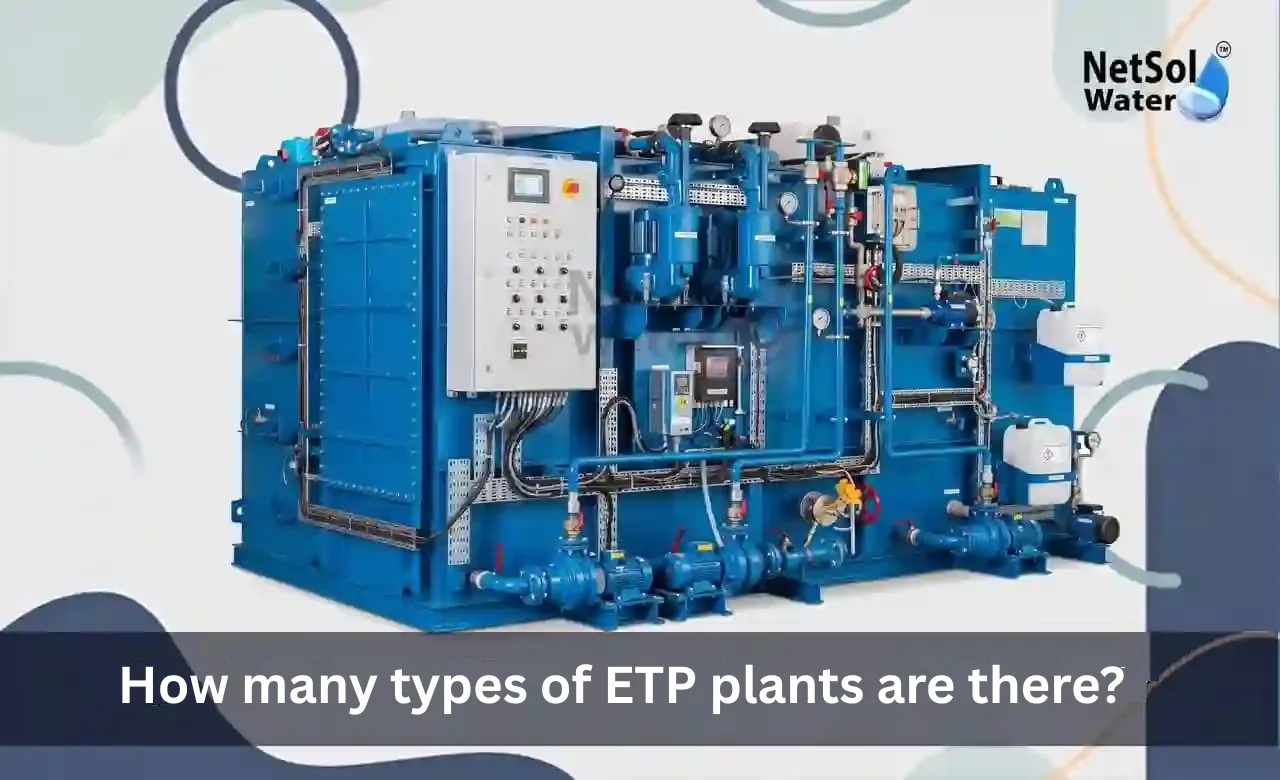
How many types of ETP plants are there?

Industries produce wastewater during different manufacturing processes. This wastewater contains harmful chemicals and other unwanted materials that cannot be released into rivers or on land without treatment. An effluent treatment plant, or ETP, cleans industrial wastewater before disposal or reuse. Different industries create different kinds of wastewater. Because of this reason, many types of ETP plants are available to meet different treatment needs.

Understanding the different types of ETP plants helps industries select the right system for better treatment and legal compliance. A properly designed plant also helps save water and protects the environment. Every industry should choose an experienced manufacturer that understands its treatment needs and provides reliable solutions. We are the leading effluent treatment plant manufacturer that offers advanced ETP plants for many industrial sectors with quality engineering and dependable support.

Why Different Types of ETP Plants Are Needed

Every industry produces wastewater with different properties. Some wastewater contains oils, while some contains chemicals, heavy metals, dyes or organic matter. Because every wastewater stream is different, one treatment method cannot solve every problem. That is why different types of ETP plants are designed for different industrial applications.

Let us have a look at some important reasons behind different types of ETP plants.

1. Nature of Industrial Wastewater

Each industry uses different raw materials and production methods. Textile industries release wastewater that contains dyes and colours, while pharmaceutical industries generate wastewater with complex chemicals. Food processing industries produce wastewater with high organic content. These differences make it necessary to use different treatment technologies.

The treatment process starts with understanding the wastewater quality. Engineers study factors such as pH, suspended solids, dissolved solids, chemical oxygen demand and biological oxygen demand. After this study, they select the most suitable treatment process. A properly selected ETP gives better treatment results and helps industries meet pollution control standards.

2. Industry Specific Treatment Requirements

Some industries require only basic treatment before disposal, while others need advanced treatment for water reuse. Industries that wish to recycle water need additional treatment units that remove dissolved impurities and improve water quality.

An experienced engineering team designs every ETP according to industry requirements. This approach improves plant performance and lowers operating costs. It also helps industries save water and support environmental protection.

Types of ETP Plants Based on Treatment Process

Many industries ask how many types of ETP plants are available. The answer depends on the treatment method and the type of wastewater. Every treatment process removes specific pollutants and works together with other stages to provide clean treated water.

Let us have a look at some common types of ETP plants based on their treatment process.

1. Physical Treatment ETP

Physical treatment is the first stage in many effluent treatment plants. This process removes large particles, floating materials, grit, sand and oil from wastewater. It uses screening, sedimentation, flotation and filtration to separate unwanted materials without using chemicals.

Physical treatment protects the equipment used in later treatment stages. It also improves the overall efficiency of the plant. Many industries include this stage because it provides an effective first level of cleaning before chemical or biological treatment begins.

2. Chemical Treatment ETP

Chemical treatment is used to remove pollutants that cannot be separated by physical processes. Chemicals are added to neutralise acids and alkalis during this process. It also decreases heavy metals, colour, suspended solids and other dissolved impurities.

Chemical treatments often involve coagulation, flocculation and neutralisation. In these processes, polluting chemicals react with other chemicals and create larger particles that settle easily. Chemical treatment is an essential part of production in the textile, chemical, electroplating and pharmaceutical industries.

3. Biological Treatment ETP

Biological treatment is a process that uses microorganisms to degrade organic pollutants in wastewater. These microorganisms eat organic matter and turn it into harmless substances. This process is effective with wastewater that has high organic content.

The most commonly used biological systems are activated sludge systems, moving bed biofilm reactors (MBBR) and sequencing batch reactors (SBR). These systems provide efficient treatment while lowering pollution levels. Biological ETP plants are widely used in the food processing, dairy, beverage and juice industries due to their high efficiency.

4. Advanced Treatment ETP

After the physical, chemical and biological treatment, advanced treatment is used to provide additional purification. This stage is used to eliminate very fine impurities such as dissolved salts and residues.

Membrane filtration, RO, activated carbon and UV disinfection are used to enhance treated water quality. Advanced treatment systems are frequently employed in water reuse systems to generate high quality water for reuse, especially in industries.

Choosing the Right ETP Plant for Your Industry

Selecting the correct ETP plant is an important business decision. The right system improves treatment efficiency, saves operating costs and supports long-term industrial growth. Every industry should understand its wastewater characteristics before selecting any treatment technology.

Let us have a look at some important factors that help industries choose the right ETP plant.

1. Wastewater Quality Assessment

The first step is analysing wastewater quality. Engineers examine chemical composition, pollutant concentration, water flow and treatment objectives. This information helps them design a plant that meets environmental regulations and operational requirements.

Without proper wastewater analysis, industries may install an unsuitable treatment system. This can increase maintenance costs and reduce treatment efficiency. Careful planning always produces better long-term results.

2. Plant Capacity and Future Expansion

Industries should consider both present and future production requirements. A plant designed only for current production may become insufficient after business expansion.

A flexible ETP design allows additional treatment units to be added later without major reconstruction. This approach saves investment and supports future growth. Proper planning also ensures smooth plant operation for many years.

3. Importance of an Experienced Manufacturer

The quality of an ETP depends not only on its design but also on the manufacturer. A skilled manufacturer studies wastewater carefully and recommends the most suitable treatment technology.

Netsol Water is the leading effluent treatment plant manufacturer that designs customised treatment systems for different industries. The company focuses on quality manufacturing, efficient operation and dependable after-sales service. Choosing an experienced effluent treatment plant manufacturer helps industries achieve better treatment performance while meeting environmental standards.

Benefits of Using the Correct Type of ETP Plant

Every industry wants an ETP that performs efficiently and delivers long-term value. Choosing the correct type of plant provides many operational and environmental advantages. A well-designed system improves water quality and supports sustainable industrial operations.

Let us have a look at some major benefits of selecting the right ETP plant.

1. Better Environmental Protection

An appropriate ETP filters pollutants out of the wastewater before it enters natural waterways. This helps to prevent contamination of rivers, lakes, groundwater and surrounding systems.

Clean discharge also helps to ensure public health and reflects good industrial practices. Properly treated wastewater can help industries maintain a good image and help them preserve the environment.

2. Lower Operating Costs and Water Reuse

Any treatment plant that is efficient must make good use of energy, chemicals and maintenance resources. If treatment technology is properly designed, it will help to reduce unnecessary operating costs and enhance plant performance.

In addition, many advanced ETP plants enable the reuse of treated water for industrial processes. Recycling water reduces the amount of freshwater used and helps industries to utilise water more efficiently. This is a way to practise sustainable manufacturing and to achieve better long-term cost savings.

Read some interesting information for the Sewage Treatment Plant Manufacturer

Conclusion

It is known that each manufacturing process generates different wastewater, and thus industries require different types of ETP plants. Each of the pollutant removal methods plays an important role in cleaning the water and improving water quality: physical, chemical, biological and advanced treatment systems. The appropriate treatment technology depends on wastewater characteristics, treatment requirements and future treatment needs.

By collaborating with a reputable effluent treatment plant manufacturer, industries can be assured of obtaining a dependable and efficient system that complies with environmental regulations. Netsol Water is the top ETP plant manufacturer that offers customised effluent treatment plant solutions for various industries. Discuss with Netsol Water the details of your new effluent treatment system, or if you wish to upgrade your existing plant, and we will be happy to give you expert advice and a free consultation for your industrial needs.

Contact Netsol Water at:

Phone: +91-9650608473

Email: enquiry@netsolwater.com


Add-a-subheading-1.webp

July 11, 2026by Netsol Water

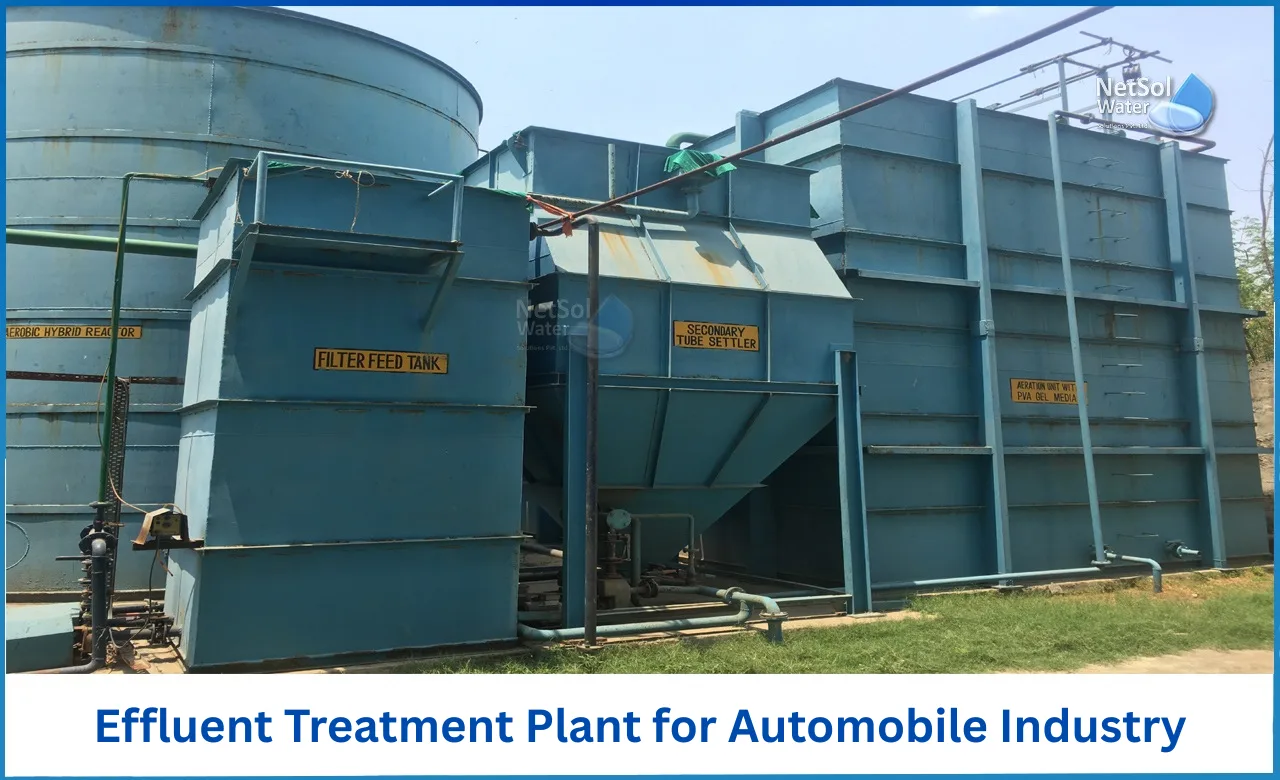
Effluent Treatment Plant for Automobile Industry

The automobile industry drives growth in many cities that are known for vehicle assembly. It supports jobs and builds strong industrial areas. At the same time, it also creates a large amount of wastewater. This water comes from metal cleaning, paint shops, floor washing, parts washing, cooling systems and other production steps. If this water goes out without treatment, it can harm soil. It can pollute water sources. And it can create long-term damage to the environment.

This is why every automobile plant needs a strong treatment system. We are the leading effluent treatment plant manufacturer and supports automobile units with systems that treat wastewater before discharge or reuse. A good plant helps the company meet rules. It also supports clean operations. In busy industrial belts where car and vehicle production stays active, the need for proper wastewater treatment becomes even more important.

Why the Automobile Industry Needs an Effluent Treatment Plant

An automobile plant uses water at many stages. It needs water for washing metal parts. It needs water in paint booths. It also needs water for cleaning machines and maintaining the work area. This water picks up oil, grease, chemical traces, paint particles and suspended solids. After use, it becomes wastewater. If the plant does not treat this water then the discharge can create serious problems.

An Effluent Treatment Plant Manufacturer designs plants that remove these harmful materials in a careful way. The treatment plant helps the industry follow pollution control rules and keep its operations safe. It also protects the land around the plant. In many automobile units, the wastewater load changes from one process to another. A good treatment system handles these changes well and gives a stable result.

1. Water Use in Vehicle Production

Automobile factories use a large amount of water in daily work. They use it for degreasing. They use it for surface cleaning. They use it in painting lines and in cooling systems. They also use it for washing floors and equipment. Each of these steps adds different types of impurities to the water. Some waste streams carry oil. Some carry heavy metals. Some carry colour and chemical residues.

This is where an ETP becomes essential. It collects the wastewater and treats it step by step. The plant does not only clean the water. It also helps the factory manage water in a better way. This supports safe production and reduces pressure on fresh water use.

2. Environmental and Legal Need

Automobile units must follow strict discharge standards. These rules exist to protect rivers, lakes and groundwater. If untreated water leaves the plant then it can create fines and legal trouble.

A well-designed system from an Effluent Treatment Plant Manufacturer helps the plant stay within limits. It gives the company a reliable way to manage wastewater. Netsol Water supports this need with solutions that match industrial use and help industries stay responsible.

Main Pollutants Found in Automobile Wastewater

Wastewater from automobile production contains many harmful materials. These pollutants come from cleaning agents, paint materials, coolants, oils and workshop operations. They can affect water quality and soil health if the plant does not remove them in time.

An Effluent Treatment Plant Manufacturer studies the wastewater carefully before planning the system. This is important because each plant may create a different waste load. Let’s have a look at some common pollutants that appear in automobile wastewater and why they matter.

1. Oil, Grease and Suspended Solids

Oil and grease often come from machine use and part washing. These materials make the water look dirty and can block pipes and filters. Suspended solids also come from dust, metal bits and paint flakes. They create cloudiness and can settle in drains and tanks.

The treatment system removes these materials through screening, oil separation and clarification. This step protects the rest of the plant and prepares the water for further treatment. When the first stage works well, the full system performs in a better way.

2. Chemicals and Heavy Metals

Paint shops and surface treatment sections often release chemical traces. Some wastewater streams may also contain heavy metals. These pollutants are harmful because they can stay in the environment for a long time. They can also make water unsafe for reuse.

The ETP uses chemical treatment and sludge removal to reduce these risks. It helps the plant bring down toxic load before final discharge. An experienced manufacturer knows how to design this part carefully so the system gives stable results.

Treatment Stages That Support Clean Operation

A proper ETP works in several stages. Each stage has a different role and each one helps remove a specific type of impurity. This layered process makes wastewater treatment effective and dependable. In automobile units where water quality changes often, this structure becomes very useful.

Let’s have a look at some of the main treatment steps used in an automobile ETP.

1. Primary Treatment

Primary treatment begins with the removal of large solids and floating matter. Screening catches bigger waste pieces. Oil traps and settling units remove heavier particles and grease. This stage protects pumps and pipelines from damage.

The first stage also reduces load on the next stages. When the plant removes solids early, it works more smoothly and uses less energy in later treatment. This gives the whole system a stronger base.

2. Secondary Treatment

Secondary treatment handles dissolved and fine organic matter. It often uses biological methods or other advanced processes based on the wastewater type. This stage helps reduce pollution level in a major way.

In automobile wastewater, the design must suit the mix of chemicals and cleaning waste. That is why a skilled manufacturer studies the plant needs before choosing the process. Netsol Water offers systems that match these needs and help industries reach better water quality.

3. Tertiary Treatment and Reuse

Tertiary treatment gives the final polish to treated water. It removes remaining impurities and improves clarity. This stage is useful when the plant wants to reuse water for washing or cooling. It also helps meet discharge standards with better confidence.

Many automobile factories now prefer reuse because it reduces water cost and supports better resource use. This makes the ETP not just a waste solution but also a value-adding system.

How the Right Manufacturer Improves Plant Performance

A treatment plant gives the best result when the design matches the actual factory need. That is why choosing the right partner matters so much. A strong Effluent Treatment Plant Manufacturer does more than supply equipment. It studies the wastewater pattern. It checks space. It looks at future expansion needs. And it gives a system that fits the plant in a practical way.

Let’s have a look at some reasons why the right manufacturer makes a clear difference.

1. Custom Design for Industry Needs

Every automobile plant has a different process flow. Some units have more paint waste. Some have more wash water. Some need higher reuse levels. A good manufacturer understands this and creates a custom plan.

This helps the plant avoid common problems like overloading and poor treatment results. It also supports smooth operation over time. A custom system is easier to manage and gives more dependable performance.

2. Support and Maintenance

An ETP needs regular care. Operators must check pumps, tanks, chemicals and sludge handling units. If one part fails then the system performance can drop. This is why after-installation support matters a lot.

Netsol Water remains a trusted Effluent Treatment Plant Manufacturer because it supports clients beyond installation. It helps them keep the plant running in a stable way. This gives peace of mind to the industry and improves long-term value.

Read some interesting information for the Effluent Treatment Plant Manufacturer in Faridabad

Conclusion

The automobile industry depends on water at many stages and it also creates wastewater that needs proper handling. A strong treatment system protects the environment, supports compliance and allows water reuse in a smart way.

A reliable manufacturer gives the right design and support for these needs. Netsol Water is the leading Effluent Treatment Plant Manufacturer and provides solutions that fit the demands of automobile plants. If you are looking for a practical wastewater treatment solution then get in touch to learn more or request a consultation today.

Contact Netsol Water at:
Phone: +91-9650608473
Email: enquiry@netsolwater.com


How-to-Reduce-Sludge-Generation-in-Effluent-Treatment-Plants.webp

May 25, 2026by Netsol Water

How to Reduce Sludge Generation in Effluent Treatment Plants?

Effluent treatment matters in every industry that uses water in its process. Many plants face the same challenge when they try to clean wastewater. They create too much sludge and then spend more time and money handling it. This problem affects plant performance and also increases disposal cost. It can also make daily operation less smooth. In many industrial areas that support textiles, chemicals, food units, and other production work, this issue has become more common because wastewater load keeps changing.

A skilled manufacturer can help industries control this problem from the start. The right plant design does not only clean water. It also helps control sludge formation in a simple and practical way. We are the leading effluent treatment plant manufacturer, and it supports businesses with better treatment systems that work with less waste. When a plant manages sludge well, it saves space, cuts cost, and improves stability.

Improve the Front End of Treatment

The first step in sludge control begins before the main treatment stage. When the plant removes more solids early, it sends less load to later stages. That leads to less sludge in the end. Let us have a look at some simple actions that can make a strong difference.

1. Use Better Screening and Settling

A good screen removes large waste before it enters the treatment tank. This step may look small but it has a strong effect on sludge load. When the plant catches fibres, plastic pieces, food waste, and other large matter early, then the rest of the system works well. Settling tanks also help by removing grit and heavy particles. These materials do not belong in biological treatment. If they stay in the flow, they add to sludge volume and make cleaning harder.

An effluent treatment plant manufacturer can design screens and settling units in the right size for the industry. That helps the plant capture more solids at the right time. When these units work well, the later process becomes more efficient. The plant also needs regular cleaning of screens and collection points. If operators ignore this work, then waste moves ahead and creates more sludge in the next stage.

2. Control Flow and Load Changes

Wastewater flow often changes during the day. Some hours bring high load while some hours bring low load. Sudden change in flow creates shock in the treatment system. That shock can increase sludge formation because microbes and chemicals react in an uneven way. A balancing tank helps manage this issue. It stores wastewater for a short time and releases it in a steady flow.

Steady flow improves treatment and helps the plant use chemicals in a better way. It also supports stable biological action. When load remains balanced, the plant avoids over-treatment and unnecessary sludge growth. Plant operators should watch inflow quality and keep the system steady as much as possible. A well-planned front end makes later treatment cleaner and easier to control.

Choose the Right Chemical Treatment

Chemical treatment plays a big role in sludge formation. This step is important because many plants add more chemicals than they need. Extra chemical use creates more sludge and increases disposal cost. So the plant must find the right balance. Let us have a look at some ways to improve chemical use without reducing water quality.

1. Select the Correct Dose

The plant should never guess the dose. It should test the wastewater and set the dose based on real need. When operators add more coagulant or flocculant than required, the extra material turns into sludge. This does not improve treatment. It only creates waste. A proper jar test can show the right amount before full-scale use. That helps the plant save cost and cut sludge volume.

An experienced effluent treatment plant manufacturer can guide the plant in choosing the right chemical system. Some wastewater streams need stronger coagulants while some need only a mild dose. The best result comes when the plant matches the chemical with the actual water condition. Regular checks also matter because wastewater quality can change from batch to batch. If the plant keeps the same dose for every load, then sludge can rise fast.

2. Keep pH and Mixing Under Control

Chemical treatment works best when pH stays in the proper range. If pH moves too far from the target, then chemicals do not work well. The plant then adds more product to fix the issue and that creates more sludge. Good mixing also matters. If the mixer is too slow, then chemicals do not spread properly. If it is too fast, then flocs break apart and the plant loses treatment quality.

A balanced system gives better floc size and easier settling. That means the plant removes solids faster and with less waste. Operators should check pH in real time when possible. They should also keep mixing time within the right limit. These simple steps help the plant reduce sludge without harming the final water quality.

Strengthen Biological Treatment

Biological treatment helps break down organic matter in wastewater. This stage is very useful because it removes pollution in a natural way. Still, it can also create extra sludge if the system runs badly. Good control here is important for both treatment quality and waste volume. Let us have a look at some ways to improve this stage.

1. Keep Microbes Healthy and Stable

Microbes do the main cleaning work in a biological tank. They need oxygen, food, and stable conditions. If the plant gives too much food at once or too little oxygen, then the system becomes unstable. That leads to poor treatment and more sludge. Old biomass also builds up when the tank does not get proper control. The plant then needs more wasting and more handling.

Operators should watch dissolved oxygen and sludge age. They should also prevent toxic shock from harsh chemicals or sudden pH changes. When the biomass stays healthy, it treats waste better and produces less excess sludge. This is one area where a good design from an effluent treatment plant manufacturer makes a real difference. The plant can then handle changing load with better control and less waste.

2. Avoid Overloading the Tank

When the biological tank receives more load than it can handle, the biomass responds by forming more solids. This makes sludge grow faster. The plant can prevent this by equalising flow and by sending wastewater at the right rate. It should also avoid dumping high-strength waste without pretreatment. Some waste streams carry oil, grease, or toxic material that harms the system. These streams should receive separate care before they enter the main tank.

The plant should monitor sludge return and waste rates too. Too much return can thicken the tank. Too little return can weaken the process. A balanced system supports stable operation and keeps sludge under control. This is one of the simplest ways to improve performance in an ETP.

Read some interesting information for the Industrial RO Plant Manufacturer

Conclusion

Lower sludge generation starts with better design and careful operation. A plant that controls solids early, uses chemicals in the right amount, keeps biology stable, and handles sludge with care will always perform better. It will also spend less on disposal and cleaning. These steps improve plant life and support smoother daily work.

If you want practical support for this work, then a trusted manufacturer can guide you with the right system and the right process plan. Netsol Water is the leading effluent treatment plant manufacturer, and it helps industries build cleaner and more efficient treatment systems. Contact us today to learn more or request a consultation for your effluent treatment needs.

Contact Netsol Water at:

Phone: +91-9650608473

Email: enquiry@netsolwater.com


Add-a-heading-1.webp

April 24, 2026by Netsol Water

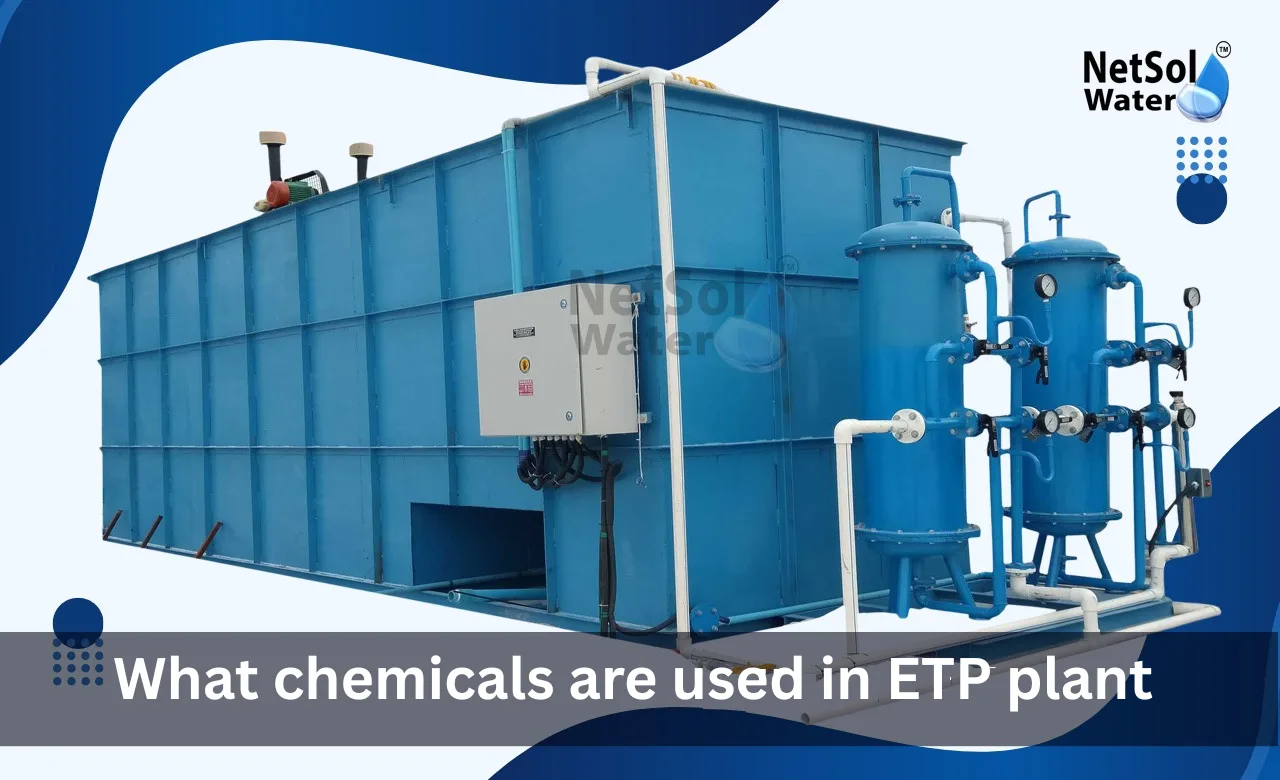
What Chemicals Are Used in an ETP Plant?

Industries produce wastewater every day and this water carries dirt, oils, colour, and harmful dissolved matter. Treating this water is not only a legal need but also a safe way to protect land, water sources, and public health. That is why many companies look for the right effluent treatment plant manufacturer to build a plant that works well for their waste load. In a well-planned plant, chemicals play a major role because they help remove suspended solids, adjust pH, break down impurities, and improve water quality step by step.

Coagulants in ETP

Coagulants are among the first chemicals used in an ETP plant because they help remove fine particles that do not settle on their own. These tiny particles stay suspended in water and make the water look dirty. When a coagulant enters the system, it changes the charge on these particles. This makes them come together and form larger clumps. Once the clumps become bigger, the plant can remove them more easily through settling or filtration. Let us have a look at some common coagulants used in this stage.

1. Alum and Ferric Salts

Alum and ferric salts are widely used in wastewater treatment because they work well in many types of industrial water. Alum helps destabilise suspended solids and improves the clarity of water. Ferric chloride and ferric sulphate also work well when the effluent has colour, oil, or strong organic load. These chemicals help create heavier flocs that sink faster in the clarifier. That makes the next treatment steps easier and more effective. A skilled effluent treatment plant manufacturer selects the right dose after studying the waste sample because poor dosing can reduce performance and raise sludge volume.

2. Why Coagulation Matters

Coagulation matters because many industrial wastes carry very fine matter that simple screening cannot remove. If the plant skips this step, the later stages will struggle and the final water may still look dull or unsafe. Coagulation also supports better sludge removal because it groups impurities into larger masses. This saves time and improves plant performance. For industries that want stable output and lower treatment issues, this step becomes a strong base for the whole process.

Flocculants in ETP

Flocculants work after coagulation and help small clumps grow into larger and stronger flocs. This stage is important because the plant needs these flocs to settle well in the tank. Most flocculants are polymer-based and they link the tiny particles together. This gives the plant a faster and cleaner separation process. Let us have a look at some common flocculants and their role in ETP plants.

1. Organic Polymers

Organic polymers are often used because they support quick floc formation and improve solid removal. They may be cationic, anionic, or non-ionic depending on the wastewater quality. Anionic polymers often help with mineral solids while cationic polymers work well with organic and oily waste. The correct choice depends on the effluent and the desired settling speed. A good plant design uses trial tests so the operator can find the right type and amount. This avoids waste of chemicals and keeps treatment cost under control.

2. Role in Settling and Sludge Thickening

Flocculants do more than just form visible flocs. They also help sludge thicken and dewater better. This is useful because many plants face difficulty in handling large sludge volumes. When the sludge holds less water, it becomes easier to handle and dispose of. The final treated water also becomes clearer because fewer fine solids remain in suspension. This is one reason why an expert effluent treatment plant manufacturer always gives proper attention to the flocculation stage.

pH Adjusting Chemicals

pH control is a key part of wastewater treatment because many treatment steps work only in a certain pH range. If the water is too acidic or too alkaline, the chemicals will not work as planned. Some machines may also face corrosion or scaling if pH stays out of range for long. That is why plants use pH-adjusting chemicals to bring the water to a safe and workable level. Let us have a look at some important pH control chemicals.

1. Lime and Caustic Soda

Lime and caustic soda are common alkaline chemicals used to raise pH. Lime is often used where a slower and steadier reaction is acceptable. Caustic soda works faster and gives quick pH correction. These chemicals are useful when wastewater from industries comes with acidic nature. They also support metal removal in some treatment plants because metals often settle better at a higher pH. Careful dosing matters here because too much alkali can create new treatment problems. So the system should always use proper control and monitoring.

2. Acids for Neutralisation

Sometimes wastewater becomes too alkaline after certain process steps. In such cases, plants add acids to bring pH down. Hydrochloric acid and sulphuric acid are commonly used for this job. They help maintain balance and keep the treatment process stable. Neutral pH gives better results in coagulation, biological treatment, and discharge. This control also protects equipment and pipe life. That is why pH correction stays at the heart of a well-run ETP plant.

Biocides and Nutrients

Many industries send wastewater that contains organic matter. In such cases, biological treatment becomes useful because microbes break down the waste naturally. To support this process, some plants add biocides in controlled situations and nutrients when the wastewater lacks the right balance. This helps the biological system stay active and healthy. Let us have a look at how these chemicals support the ETP plant.

1. Nutrients for Microbial Growth

Microbes need food balance to work well. Industrial effluent may contain too much carbon and too little nitrogen or phosphorus. When that happens, the biological process slows down. So plants may add nutrients such as urea or phosphate compounds to balance the feed. This helps bacteria grow and digest organic load more effectively. A balanced biological stage improves water quality and reduces bad smell as well.

2. Biocides for Control

Biocides are used carefully in some plants to control unwanted microbial growth. Certain industrial waste streams can develop slime or harmful bacteria in storage and pipelines. In such cases, biocides help maintain process stability. They must be used with care because too much of them can also affect useful bacteria. So plant operators use them only when needed and always in a controlled dose.

Defoamers and Special Treatment Chemicals

Some effluents create foam during aeration, mixing, or chemical reaction. Foam can affect tank operation and reduce treatment efficiency. In such cases, plants use defoamers to control the foam layer and keep the system stable. Other special chemicals may also be used based on industry type and wastewater makeup.

1. Defoamers

Defoamers reduce unwanted foam that can overflow tanks and disturb oxygen transfer. They are useful in food plants, textile units, and other places where surfactants enter the waste stream. A small dose often works well and helps maintain smooth operation. This also prevents waste of energy and makes daily plant work easier.

2. Oxidising Agents and Odour Control Chemicals

Some plants use oxidising agents to break down difficult pollutants and control odour. These chemicals help in special treatment cases where normal coagulation and biological steps are not enough. They support better colour removal and reduce bad smell in the treated area. Their use depends on waste nature and plant design. A trained operator and a dependable effluent treatment plant manufacturer can decide where these chemicals fit best.

Read some interesting information for the Commercial RO Plant Manufacturer

Conclusion

The chemicals used in an ETP plant play a direct role in how well the whole system works. The right chemical choice saves time, improves output, and supports better reuse or discharge quality. It also helps industries stay compliant and protect the environment.

A trusted effluent treatment plant manufacturer can study the wastewater and design the right chemical treatment plan for each industry. Netsol Water is the leading ETP Manufacturer and industries can reach out for expert guidance if they need a system that matches their waste and treatment goals.

Contact Netsol Water at:

Phone: +91-9650608473

Email: enquiry@netsolwater.com


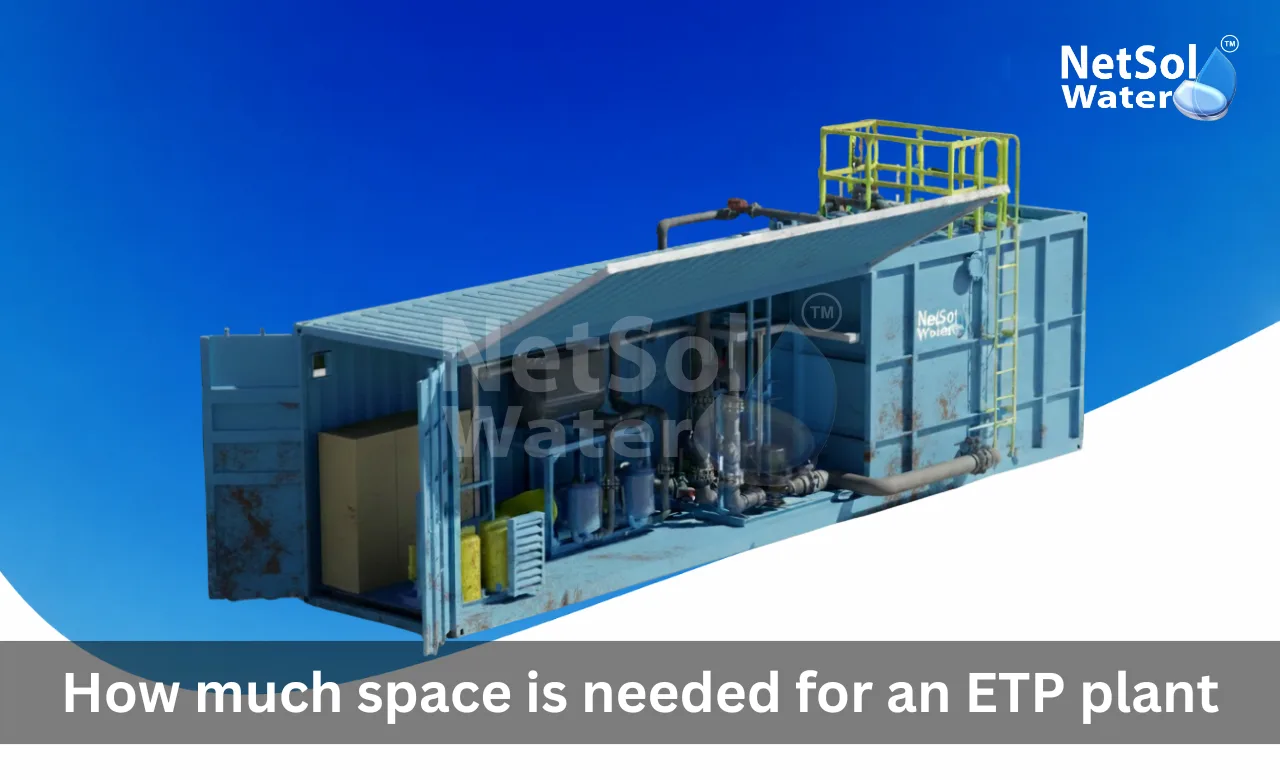
How-much-space-is-needed-for-an-ETP-plant.webp

April 23, 2026by Netsol Water

How Much Space is Needed for an ETP Plant?

An effluent treatment plant helps industries treat wastewater in a safe and proper way. Many factories need this plant to meet legal rules and protect the environment. Before setting up the unit, one of the first questions is about space use. Space matters because it affects the plant layout, cost, and future growth. A small site may work for low-flow wastewater while a large industrial unit needs much more room for tanks, pumps, pipes, and support areas. This is why every project needs careful planning from the start. We are the leading effluent treatment plant manufacturer, and it helps industries choose the right plant based on flow type and site conditions.

Typical Space Requirements by Capacity

The size of an effluent treatment plant depends first on its treatment capacity. Capacity shows how much wastewater the plant can treat each day. A plant with lower KLD needs less land while a plant with higher KLD needs more area for tanks, equipment, and working space. This is why every effluent treatment plant manufacturer studies the daily flow before suggesting a layout. Let us have a look at some common space ranges so the size idea becomes clear.

1. Small-Scale Plants Up to 50 KLD

A small plant often needs about 500 to 1,000 square feet. This range suits compact industrial units where wastewater flow stays limited. In some very small residential or community-based settings, the need can go down to 300 to 600 square feet. These plants usually use simple and compact units that fit into a small footprint. Even then, the site should allow easy access for cleaning, inspection, and repair.

A small plant may look easy to install but it still needs proper planning so that each part works smoothly. When the layout is tight, the system becomes harder to manage. Good design keeps the plant safe and practical for daily use.

2. Medium-Scale Plants 50 to 200 KLD

A medium plant usually needs around 2,000 to 5,000 square feet. This size suits many industrial units because it gives enough room for treatment tanks, chemical dosing units, sludge handling, and service areas. As the wastewater flow increases, the plant needs wider spacing between units to support smooth movement and maintenance.

A trusted effluent treatment plant manufacturer will often suggest a layout that keeps the system compact while still giving enough working room. This balance matters because a crowded plant can create trouble in operation. Medium plants also need room for future changes. If production grows, then the site should still support extra equipment without major rebuilding.

3. Large-Scale Plants Above 200 KLD

Large plants often need 10,000 square feet or more. These plants treat high wastewater volume and use more tanks, more equipment, and more support structures. The land need rises not only because of flow but also because larger plants often include stronger treatment stages and bigger storage zones.

Industrial sites with heavy discharge must prepare for this from the beginning. When an industry works with an experienced effluent treatment plant manufacturer, it can plan a layout that saves land without affecting performance. A large site must stay flexible because expansion often comes later as production grows.

Factors Influencing Footprint

Capacity gives the base size but it does not tell the full story. Many other points shape the final footprint of an effluent treatment plant. Technology selection, treatment steps, safety distance, and future growth all play an important role. This is why two plants with the same KLD can still need different land areas. Let us have a look at some of the main factors that change the space need.

1. Technology Type

The treatment technology has a major effect on land use. Modern package plants and modular systems can fit into smaller spaces because they use compact tanks and smart layouts. These systems are useful where land is limited.

Conventional treatment systems may need more area because they use larger settling tanks, aeration units, and sometimes lagoons. Such systems spread out more and take more land. An industry should choose the technology after studying wastewater quality, available land, and operating needs. A skilled effluent treatment plant manufacturer can compare different options and suggest the one that matches the site. The right choice saves land and also supports better operation.

2. Treatment Stages

The number of treatment stages also changes the plant size. Basic systems need a simpler layout while advanced systems require more units. If an industry adds tertiary treatment such as RO (Reverse Osmosis) or UV disinfection, then the plant needs more space for extra equipment and supporting pipes.

Advanced biological systems also need room for reactors and control units. Each added stage makes the layout longer and more detailed. This is why industries should think not only about present discharge but also about future treatment goals. A good layout keeps each stage connected in a clean and simple flow. That helps operators work with less confusion and better control.

3. Buffer Zones

A plant should not stand too close to homes or other sensitive areas. Safe distance helps reduce odour, noise, and safety problems. Planning should include a buffer zone of about 150 feet between the plant and nearby residential areas. This space supports better comfort for people around the site and also gives the plant room for safe operation.

Buffer space may not always look like active plant area but it still matters a lot in the total land plan. Many projects fail because they ignore this point at the start. A responsible effluent treatment plant manufacturer always checks the site position before final design. That step helps avoid trouble during installation and later operation.

4. Future Expansion

Industries often grow with time and wastewater volume may rise with production. Because of that, it is wise to keep extra space in the beginning. Many planners add about 20 to 30 percent more area as a buffer for future growth or equipment upgrades. This simple step saves money and time later because the plant can expand without major changes.

If the site has no spare area, then even a small change can become difficult and costly. Future expansion planning also helps an industry stay ready for new rules and new treatment needs. A flexible site always works better in the long run. That is why a careful effluent treatment plant manufacturer does not design only for today. It also keeps tomorrow in mind.

Read some interesting information for the Sewage Treatment Plant Manufacturer

Conclusion

Proper space planning decides how well an effluent treatment plant will perform for years. The right area improves operation, reduces maintenance trouble, and supports future growth. Every industry should study wastewater flow, technology choice, safety distance, and expansion needs before finalizing land.

Netsol Water, as a leading ETP manufacturer, helps industries choose a layout that fits both present needs and future goals. If you are planning a new plant or upgrading an existing one, then now is the right time to get expert guidance. Contact a trusted Effluent Treatment Plant manufacturer today to request a consultation and find the best space plan for your project.

Contact Netsol Water at:

Phone: +91-9650608473

Email: enquiry@netsolwater.com


What-is-the-price-of-100-KLD-ETP-plant.webp

April 22, 2026by Netsol Water

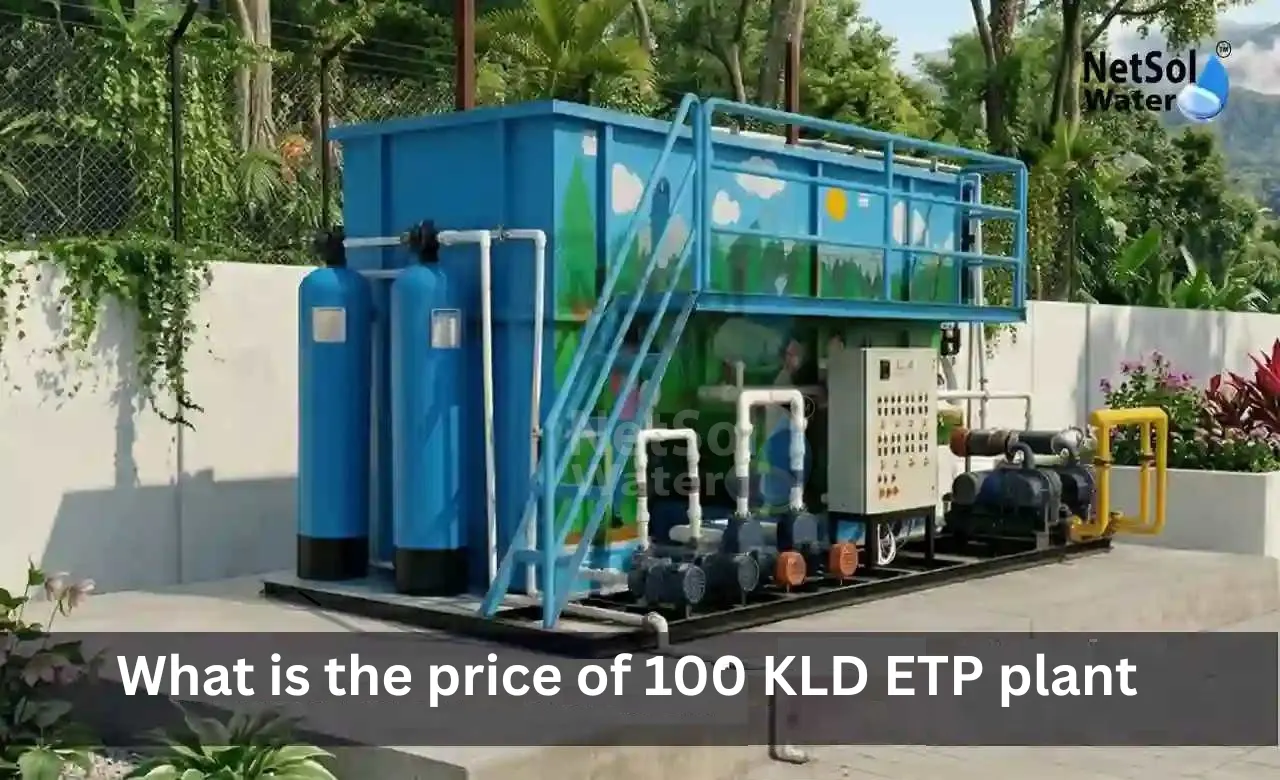
What is the price of 100 KLD ETP plant?

A 100 KLD ETP plant is an important system for industries that need to treat wastewater before reuse or discharge. In India, many factories look for a plant that can handle daily effluent in a safe and steady way. A 100 KLD plant means it can treat 100 kiloliters of wastewater per day. That makes it suitable for medium-scale industries where water treatment matters for both compliance and cost saving. The final price depends on many points such as technology, material quality, and automation level.

We are the leading effluent treatment plant manufacturer, and many businesses look at its solutions when they want reliable treatment performance. A good plant does more than clean wastewater. It also helps industries reuse water, reduce waste load, and follow pollution control rules. That is why buyers should understand the cost structure before they make a decision.

Price of a 100 KLD ETP Plant

The price of a 100 KLD ETP plant can vary widely because every industry has different wastewater quality and different treatment needs. In India, the cost usually starts from around ₹3,50,000 for a basic model and can go up to ₹25,00,000 for a highly specialized unit. This difference exists because one plant may handle simple industrial wastewater while another may treat difficult effluent with heavy chemicals, oils, dyes, or toxic load. The more complex the waste, the more stages the plant needs and the higher the price becomes.

A buyer should also understand that the cheapest plant is not always the best choice. A low-cost system may look attractive at first. However, if it cannot manage the actual waste load, then it may cause frequent issues and higher repair cost later. A trusted effluent treatment plant manufacturer studies the effluent first and then suggests the right design. That approach helps the buyer get a plant that works well from the start.

Estimated Price by Plant Type

1. Basic and Semi-Automatic ETP

A basic or semi-automatic 100 KLD ETP plant usually suits industries with standard wastewater quality. This type often uses MBBR technology because it offers a practical balance between cost and performance. The starting price can be around ₹3,50,000 and it may increase depending on the build quality and extra treatment units. Such plants work well when the effluent does not contain highly difficult contaminants. They also suit buyers who want manageable operation and moderate maintenance needs.

2. Containerized or Packaged ETP

Containerized ETP units come as compact and ready-to-install systems. Many industries choose them when they want quick setup and less civil work. These units usually cost between ₹12,00,000 and ₹18,00,000. The higher cost comes from the factory-built structure and the convenience of plug-and-play use. They also help when space is limited or when the plant must move easily from one site to another. A good effluent treatment plant manufacturer can supply these systems with proper internal arrangement so that operation stays smooth and simple.

3. Fully Automatic ETP

Fully automatic plants use advanced controls like PLC and SCADA. These systems reduce manual work and improve consistency. A 100 KLD fully automatic plant can cost above ₹15,99,980 and often moves higher based on customization. Many industries prefer this type when they want better monitoring, less human error, and stable output quality. These plants also help large operations where regular tracking of pH, flow, and other values matters every day.

4. Specialized Industrial ETP

Some industries generate very difficult wastewater. Textile units, chemical plants, and pharmaceutical facilities often need stronger and more detailed treatment. In such cases, a 100 KLD plant may cost between ₹20,00,000 and ₹25,00,000. This price reflects the need for extra treatment stages, dosing systems, and corrosion-resistant materials. These plants handle tough waste more effectively and protect the environment better. Buyers in such sectors should always work with an experienced effluent treatment plant manufacturer because a standard design may not deliver the required output.

Factors Influencing the Price

1. Technology Choice

Technology has a big impact on the final cost. MBBR systems often remain more affordable and easier to operate. SBR and MBR systems usually cost more because they offer advanced treatment and better output quality. MBR systems in particular use membranes, which raise the price but also improve water clarity. When a plant needs stronger treatment or better reuse quality, then the cost naturally goes up. A buyer should match the technology with actual need instead of choosing only by price.

2. Material of Construction

The material used in the plant also changes the budget. FRP structures can keep the cost lower in many cases. Mild steel with anti-corrosive coating costs more but it may offer stronger support for some industrial uses. Stainless steel builds usually sit at the higher end because they provide excellent durability and resistance to corrosion. Since wastewater can damage weak materials over time, this factor becomes very important. A reliable effluent treatment plant manufacturer will suggest the right material based on effluent type, site conditions, and expected life of the plant.

3. Type of Industry

Every industry produces wastewater with different characteristics. Dairy and laundry wastewater usually needs a simpler treatment line than textile dye waste or chemical waste. When the waste contains more colour, oil, grease, solids, or toxic material, the plant needs additional stages. These extra stages increase the cost of equipment, power use, and space. This is why two 100 KLD plants may have very different prices even if the capacity stays the same.

4. Automation and Monitoring

Automation improves convenience and control but it also adds to the price. Basic systems may need more manual checks while advanced plants use sensors and control panels to manage operations. This saves labour and improves consistency. Over time, automation can reduce errors and support better output quality. Many industries choose this feature when they want smoother operation and lower day-to-day supervision.

Read some interesting information for the Industrial RO Plant Manufacturer in Faridabad

Conclusion

A 100 KLD ETP plant comes with a wide price range because industries have different wastewater treatment needs. The final cost depends on technology, material, automation, and the nature of the effluent. Buyers should not look at the price alone. They should also think about treatment quality, operating cost, and long-term savings. A properly designed plant supports compliance, protects the environment, and helps the business manage water in a better way.

If you are planning to buy a 100 KLD system, then connect with an experienced effluent treatment plant manufacturer for the right guidance. Netsol Water can help you understand the best option for your industry and budget. Reach out today to request a consultation and get the right solution for your wastewater treatment needs.

Contact Netsol Water at:

Phone: +91-9650608473

Email: enquiry@netsolwater.com


Custom-Effluent-Treatment-Plant-Manufacturer-in-Faridabad.webp

July 11, 2025by Netsol Water

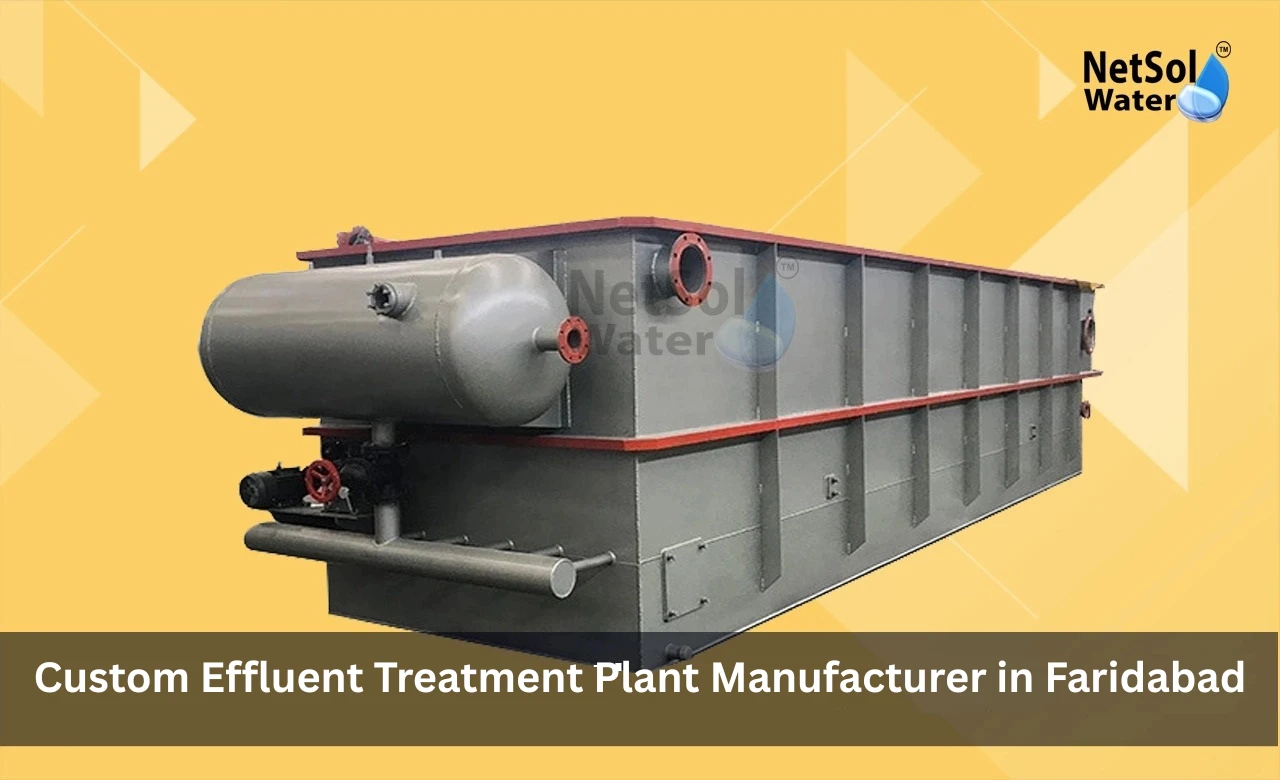
Custom Effluent Treatment Plant Manufacturer in Faridabad

Faridabad generates wastewater that needs safe treatment. An efficient effluent treatment plant keeps water clean and protects health. Netsol Water builds solutions that meet local needs. As the leading Effluent Treatment Plant Manufacturer in Faridabad, Netsol Water uses experience with customised design. Our teams know local regulations and soil conditions. Our plants handle varied waste loads with ease. They lower operating costs and ensure clear water discharge. In a growing industrial centre like Faridabad, reliable effluent service brings stability. It also shows that factories care for communities and the environment.

Why Netsol Water Excels as an Effluent Treatment Plant Manufacturer in Faridabad

Good treatment starts with deep local knowledge. Netsol Water draws on years of project experience in this region. We know common industrial effluents from tanneries, food units and chemical firms. Our experts study each factory’s unique water chemistry before designing a plant. Let us have a look on some key reasons why clients trust Netsol Water.

Local Expertise and Responsive Service

Our engineers respond fast to service calls. Clients get on‑site support within hours in most cases. We adapt designs to Faridabad’s seasonal temperature swings. That keeps bacteria in biological reactors active year‑round. Netsol Water also keeps spare parts in regional warehouses. Our response teams swap pumps or membranes without long waits. This hands‑on approach cuts downtime and protects production schedules.

Compliance and Quality Assurance

Faridabad factories must meet state and national wastewater norms. Netsol Water embeds quality checks at every stage. We run trial batches and lab tests before plant handover. We involve third‑party auditors to confirm that our discharge matches limits for BOD, COD and suspended solids. That gives plant owners confidence in both environmental compliance and corporate reputation.

Key Features of Our Custom Effluent Treatment Plants

A great plant uses proven technology with site‑specific changes. Netsol Water offers robust systems that match Faridabad’s industrial profile. Let us have a look on some features and sub‑systems that boost performance.

Membrane Bioreactor Technology

Our membrane bioreactors use submerged ultrafiltration modules. They remove nearly all suspended solids and bacteria. The compact design saves space on crowded factory plots. These units maintain a high mixed liquor suspended solids level. That ramps up biological removal of organic load. Operators monitor trans‑membrane pressure through digital sensors. They trigger backwash cycles automatically. This self‑regulation cuts manual checks and lowers water loss.

Advanced Automation and Monitoring

Our SCADA‑driven control panels tie together pumps, blowers and valves. They track flow rates, pH and dissolved oxygen in real time. Let us have a look on some smart alarms we include.

  • High‑level alarms stop influent pumps if tank levels exceed safe limits.
  • Membrane fouling alerts tell operators when to run chemical cleans.
  • Remote dashboards let managers log in from any device and view live plant data.

This automation boosts reliability. It also reduces power and chemical usage by up to 20 percent compared to manual systems.

Corrosion‑Resistant Construction

Effluent can corrode mild steel. We build tanks and pipework in high‑grade epoxy‑coated steel or FRP panels. That extends plant life and reduces repair work. Netsol Water also selects acid‑resistant pumps for chemical dosing systems. These pumps keep flow steady even under low pH conditions.

Industries We Serve in Faridabad

Faridabad’s diverse industries need customised effluent plants. Netsol Water has delivered plants across several key sectors. Let us have a look on some industry‑specific challenges and how we solve them.

Tanneries and Leather Processing

Leather units produce wastewater rich in chromium salts and grease. We add a dedicated chemical precipitation step ahead of biological treatment. This removes over 95 percent of heavy metals. Subsequent aerobic tanks strip away organic load. Our sludge dewatering units then produce cake that tanneries can safely landfill.

Food and Beverage Units

Food processing yields high BOD and fats that can clog filters. We install grease traps and oil‑water separators before primary treatment. Then our membrane bioreactor system handles the remaining organic matter efficiently. This combination meets discharge standards while keeping membrane life long.

Chemical and Pharma Plants

Pharma effluent can carry complex organics and solvents. Netsol Water designs multi‑stage activated carbon reactors and air‑stripping towers. They break down toxic compounds before biological steps.


Conclusion

Choosing a reliable Effluent Treatment Plant Manufacturer in Faridabad makes a real difference for compliance and cost control. Netsol Water’s local expertise, proven technologies and strong after‑sales support help factories run smoothly. If you need a custom effluent solution, reach out today. Our experts will guide you from site survey through commissioning and beyond.

Phone: +91-965-060-8473

Email: enquiry@Netsolwater.com


Add-a-subheading-1-1.webp

July 10, 2025by Netsol Water

Reliable ETP Manufacturer for Noida’s Growing Industries

Noida stands as a centre of rapid growth and industrial activity in Uttar Pradesh. Manufacturers in this region face stricter regulations on wastewater discharge. An efficient plant to treat effluent streams proves essential for companies that seek compliance and long term savings. Netsol Water leads that charge as the leading Effluent Treatment Plant Manufacturer in Noida. Our solutions suit diverse scales from small factories to large complexes. They meet the local standards and support sustainable operations.

Why Choose Netsol Water as Your Effluent Treatment Plant Manufacturer in Noida

Effluent treatment proves more than a legal need. It shapes the reputation and cost structure of any factory. Netsol Water earns trust in Noida by combining deep local knowledge with proven engineering. Let us have a look on some factors that set us apart.

Expertise and Experience

Our team brings years of hands‑on work in effluent management. We understand the specific waste profiles that Noida industries produce. We design each plant to match the flow rate and contaminant levels of the site. That focus reduces installation time and ensures smoother start up. Clients praise how we guide them through each stage from site survey to commissioning.

Personalized Solutions for Every Site

No two factories run the same process or generate identical effluent streams. We assess the volume and types of pollutants. Then we design a plant that fits the plot area and budget. That custom method leads to lower running costs and fewer change orders during installation. Factories meet discharge rules faster and save on fines.

Advanced Features of Our Effluent Treatment Plants

A modern Effluent Treatment Plant must run with low human oversight and high reliability. Netsol Water builds plants with smart controls and robust mechanics. Let us have a look on some core features that power our systems.

Automated Monitoring and Control

We integrate sensors at key points in the treatment train. The sensors feed data to a central controller that adjusts dosing, aeration, and sludge removal. Teams receive alerts on mobile devices when values go beyond set limits. That real‑time insight prevents downtime and reduces manual checks. Operators reclaim hours each day for other tasks.

Modular Design for Easy Expansion

Growing industries need a plant that can scale. Our units come in modules that bolt together on site. Plants start small and grow as output increases. That approach cuts initial capital spend. It also trims civil work since we avoid large common tanks. With modular skids you add capacity by slotting in extra units.

Industries We Serve

Noida has textile clusters, food kitchens, metal shops, and more. Each of these sectors faces unique effluent challenges. Netsol Water stands ready with sector‑specific processes and support. Let us have a look on some industries we serve and the gains they enjoy.

Textile and Dyeing Units

Textile mills produce high color loads and chemical residues. Our multi‑stage system uses equalization, chemical dosing, and biological treatment to cut color and toxicity. Clients see clear water that meets the limits on color and pH. That outcome helps them avoid work stoppages and maintain export compliance.

Food Processing Plants

Food operations generate high organic loads and grease. We install grease traps ahead of primary treatment. Then we run the effluent through sequential aerobic and anaerobic tanks. That method slashes chemical oxygen demand and biochemical oxygen demand levels. Plants save on energy since our design uses natural bacterial action to break down most waste.

Metal Plating and Finishing Shops

Electroplating units carry heavy metals and acidic runoff. We use neutralization tanks that adjust pH precisely before the main treatment. Then we remove metals via chemical precipitation and filtration. The result stays well within the Noida pollution board limits.


Conclusion

Effluent Treatment Plants play a key role in keeping industries both compliant and cost‑efficient. Netsol Water stands as the leading Effluent Treatment Plant Manufacturer in Noida with personalized designs and smart controls. We help factories meet discharge rules and save on operating costs. Contact us today for more details or to request a free site survey and consultation.


Add-a-subheading-1-1-2.webp

June 14, 2025by Netsol Water

3 Best Effluent Treatment Plant Manufacturers in Gurgaon

Effluent Treatment Plants are extremely important in the treatment of industrial wastewater prior to releasing it into the environment. They treat polluted water and render it safe to reuse or discharge. With increasing industrialization in a developing city like Gurgaon, having a trustable manufacturer of ETP becomes very crucial to industries that wish to remain compliant and environment-friendly.

Here we have compiled the 3 best effluent treatment plant manufacturers in Gurgaon based on performance, customer satisfaction, system quality, and technology.

3 Best Effluent Treatment Plant Manufacturers in Gurgaon


1. Netsol Water

We at Netsol Water are glad to be listed as one of the 3 best effluent treatment plant manufacturers in Gurgaon. For years, we have been working on offering sustainable and efficient wastewater treatment solutions that can find application in different industries such as pharmaceuticals, textiles, food processing, and more.

What distinguishes us is our commitment to customer satisfaction, emphasis on new technologies, and support even after installation. We provide innovative and user-friendly high-quality ETPs. Our systems comply with all government regulations and yield results that enable industries to save water and minimize pollution.

We not only produce plants but also provide AMC, plant automation, retrofitting, and operational training. Our company always makes sure that each project, whether small or large, is dealt with complete responsibility. It is for this reason that companies have faith in us while searching for the 3 Best Effluent Treatment Plant Manufacturers in Gurgaon.

2. Urban STP Solutions

Urban STP Solutions is another renowned name in Gurgaon for industrial effluent treatment. The organization provides compact and tailor-made ETP units for small as well as medium-sized industries. Their systems are energy-saving and economical in nature.

They specialize in chemical as well as biological treatment technologies. Their designs also incorporate modular structures, which facilitate quicker and more flexible installation. Urban STP Solutions is also well-reputed for extending good support both during and after the plant installation, thus making them among the 3 best effluent treatment plant manufacturers in Gurgaon who can offer good service at reasonable prices.

3. EcoSmart Water Systems

EcoSmart Water Systems is unique with its cutting-edge automation and intelligent monitoring capabilities in ETPs. They specialize in developing environmentally friendly treatment technologies that are forward-looking. Their systems are equipped with sensors, alarms, and data logging capabilities that assist in online monitoring of wastewater quality.

Their field of expertise is offering ETPs to chemical plants, leather processing units, and dyeing mills. They provide both traditional and advanced treatment patterns depending on the requirements of the clients. Their R&D department continually strives to minimize operating expenses and maximize plant performance. Due to their solid technical roots, they have achieved a position among the 3 best effluent treatment plant manufacturers in Gurgaon.

What Makes a Manufacturer the Best?

To be among the 3 best Effluent Treatment Plant Manufacturers in Gurgaon, a firm should meet various criteria:

  • Experience and Expertise: Experience in years of working in the field and dealing with various effluent types makes effective solutions delivery easier.
  • Technology Used: Efficiency and latest systems ensure better treatment quality and reduced operation expenses.
  • Customer Support: Installation to after-sales service support by a dedicated team guarantees hassle-free plant functioning.
  • Customization: Different sectors require different solutions. Reputable manufacturers provide their own ETPs as per the individual client’s requirement.
  • Compliance: The systems should be CPCB and SPCB compliant to stay clear of legal troubles.

All the following manufacturers, including ourselves at Netsol Water, tick the above boxes and have established themselves as the best in Gurgaon’s rapidly expanding industrial market.


Why Gurgaon Needs Reliable ETP Manufacturers

Gurgaon has thousands of factories and offices. The growth of industrial processes has also created an increase in wastewater generation. If not treated, this wastewater can cause harm to nearby water bodies and the environment.

That’s why industries are particularly looking for the 3 best effluent treatment plant manufacturers in Gurgaon — not only for regulatory compliance, but for embracing sustainable and responsible business practices.


Conclusion

Selecting a suitable ETP manufacturer really does make a big difference in the effectiveness of your wastewater management. Whether you operate a small unit or a big manufacturing facility, an investment in a professionally managed and well-designed Effluent Treatment Plant will benefit you in the long term.

The 3 best effluent treatment plant manufacturers in Gurgaon — Netsol Water, Urban STP Solutions, and EcoSmart Water Systems — have raised the bar in the industry and continue to assist industries in water treatment in the right way.

If you’re about to establish or expand your ETP, you might want to reach out to one of these reliable manufacturers to look for a system that suits your needs best.

Do you need an advice or assistance on selecting the best water and waste water treatment unit? We have solutions for all your problems!

Let us know your problem, our experts will make sure that it goes away.

For an assistance or related query,

Call on +91-9650608473

Or write us at enquiry@netsolwater.com