Is 30 PPM TDS safe for drinking water?
One of the basic needs of any home and business is clean drinking water. The TDS value is measured before using the water, as it provides a certain idea about the quantity of the dissolved minerals present in water. Many people wonder whether or not 30 PPM TDS is safe for drinking water. It depends on the water sources and the minerals found in the water. Water with low TDS does not necessarily indicate that it is not safe.
Bacteria, chemicals, and harmful contaminants are among many other factors that affect water quality. A water treatment plant is used to enhance the quality of the water by removing the unwanted substances and ensuring that the water is fit for human consumption. We are the leading water treatment plant manufacturer providing the latest water treatment solutions for industries, homes, and commercial applications.
What 30 PPM TDS Means
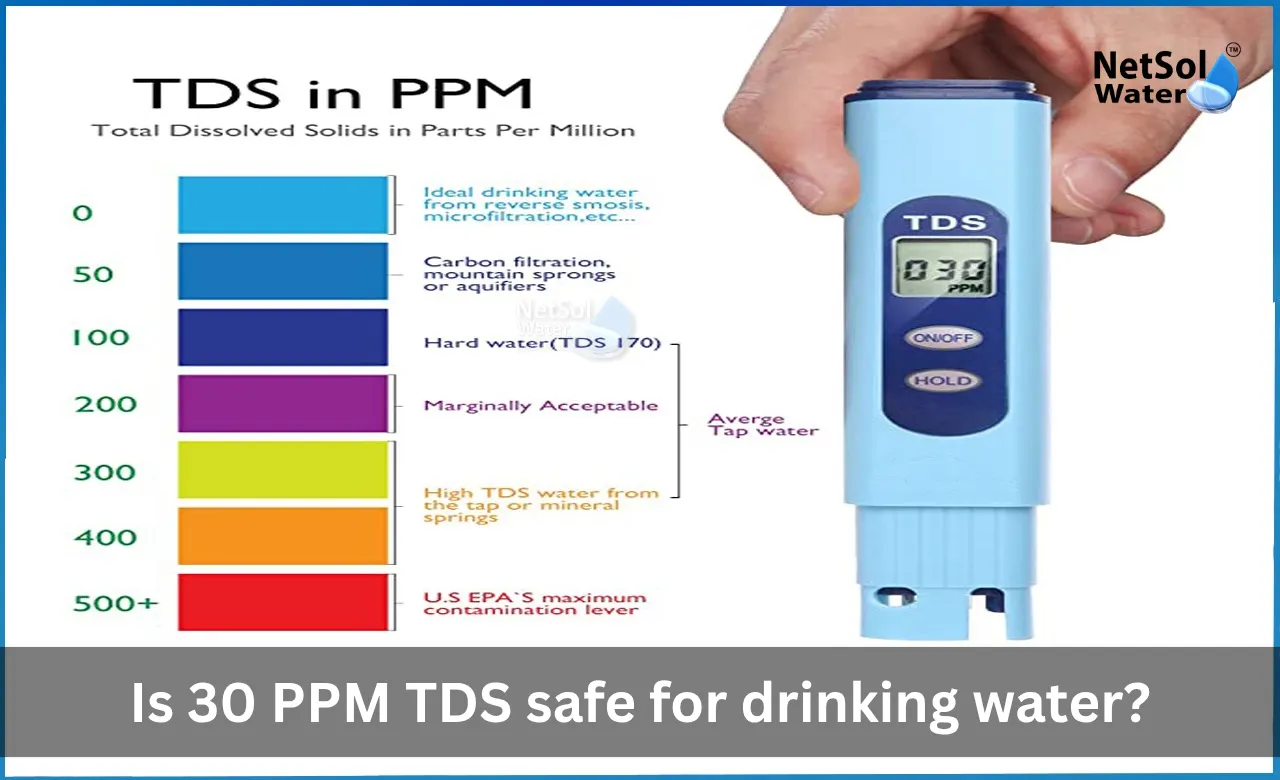
It is important to understand what it means before you consider whether to drink water that is possibly contaminated with TDS. TDS is the amount of salts, minerals, and other dissolved material in water. A reading of 30 PPM means that there are only 30 milligrams of dissolved solids in one liter of water. This is a very low TDS level and is regarded as very low.
Let’s take a look at some important points that explain what this value is.
1. What Does Low TDS Show?
If the TDS level is 30 PPM or above, that is generally an indication that the water has been treated well. This is the range to which reverse osmosis systems can lower the level of TDS. Water with this level of mineralization has less mineral content than regular drinking water. It also contains fewer undesirable chemicals that could impact water quality. This renders the water cleaner than the untreated water.
2. Is low TDS all good or is it all bad?
Many people think that the lower the TDS, the better the water. This is not completely correct. The water with very low TDS might be devoid of natural minerals such as calcium and magnesium. These minerals enhance the flavor of water and also assist in maintaining normal body function. Drinking water supplies a small portion of the minerals consumed by people. Hence, experts suggest that water quality be checked rather than relying only on the TDS value. Safe drinking water should contain the correct amounts of both minerals and purity.
Is 30 PPM TDS safe for drinking water?
Individuals tend to compare the different TDS values and question what is a safe level. The safety of drinking water is not determined by a single factor. The water should not contain chemicals that are harmful to microorganisms and should not contain contents of heavy metals. If the water has been treated properly and handled hygienically, the low result may be normal.
Let’s take a look at the important factors that determine the safety of 30 PPM TDS water.
1. Purification Process Matters
Generally, water that has 30 PPM TDS from a reliable purification process is safe. The modern reverse osmosis plants help in eliminating harmful contaminants and reducing the TDS levels. Treatment systems that are of good quality also have the addition of UV or UF to disinfect microorganisms. This is a combination that yields clean and safe drinking water. Even if appropriately processed, low TDS water can be contaminated during storage or distribution if the purification process is not properly maintained.
2. Mineral Balance Is Important
Minerals are fewer in very low TDS water, which results in “flat-tasting” water. A mineral balancing technology is used in most contemporary water purification systems following the purification process. It brings beneficial minerals back into the water, but in a controlled dosage. The outcome is safe water that is good-tasting and drinkable. Hence, people should be concerned with water quality rather than just the TDS value.
How a Water Treatment Plant Helps Maintain Safe Drinking Water
Ensuring good water quality goes beyond just filtration. There are numerous impurities in water that are invisible to the naked eye. Any treatment process will be a professional process that will remove the harmful contaminants and will improve the quality of water before it reaches the consumer. This is why treatment systems are important in delivering safe drinking water.
Let’s take a look at some of the important improvements in water quality that happen as a result of a treatment system.
1. Removal of harmful contaminants
A modern treatment plant processes suspended particles, bacteria, viruses, heavy metals, and harmful chemicals. It applies various levels of treatment to enhance water quality. Removal of larger particles is accomplished by filtration, and the removal of dissolved impurities is accomplished by reverse osmosis. UV systems provide a means for killing microorganisms that are potentially capable of causing diseases. This entire process renders the water safer to drink than untreated water. The level of TDS may drop significantly, but the water is still safe, as the harmful contaminants are already filtered out.
2. Maintaining Consistent Water Quality
Water quality changes with seasons and different water sources. Rainfall, industrial waste, and underground minerals affect the composition of water. A well-designed treatment system continuously monitors and improves water quality despite these changes. This helps consumers receive clean water throughout the year. We are the leading water treatment plant manufacturer that provides reliable systems designed to maintain consistent water quality for different applications.
Choosing the Right Drinking Water Solution
Every family and business has different water quality requirements. The right solution depends on the source of water and the level of impurities present in it. Simply selecting a purifier without testing the water may not provide the best results. A proper water analysis helps in choosing the correct treatment method.
Let us have a look at some important points while selecting a water treatment solution.
1. Test Your Water First
Water testing helps identify the amount of dissolved solids along with harmful contaminants. Laboratory reports show whether the water contains excess hardness, heavy metals, or bacteria. This information allows experts to recommend the right purification system. Regular testing also helps monitor water quality over time. It ensures that the treatment system continues to perform effectively.
2. Select the Right Treatment System
Different water sources require different purification methods. Groundwater often contains high TDS, while municipal water may need only basic purification. A properly designed water treatment plant removes unwanted impurities according to the specific water quality. Professional guidance ensures better performance and longer equipment life. Choosing the correct system also reduces maintenance costs while providing safe drinking water for many years.
Read some interesting information for the Commercial RO Plant Manufacturer in Faridabad
Conclusion
Safe drinking water depends on complete water quality and not only on the TDS value. A reading of 30 PPM is generally safe when the water comes from a properly maintained purification system and remains free from harmful contaminants. The right balance between purity and useful minerals gives better-quality drinking water for daily use. Regular water testing and proper treatment help maintain this balance.
Netsol Water is the leading Water Treatment Plant manufacturer that offers dependable solutions for different water treatment needs. If you are looking for the right water treatment plant for your home, business, or industry, you can contact Netsol Water for expert guidance and a suitable water treatment solution that matches your requirements.
Contact Netsol Water at:
Phone: +91-9650608473
Email: enquiry@netsolwater.com