Cooling Towers - Sewage Treatment Plant Manufacturers

What-causes-odours-at-wastewater-treatment-plants-3.webp

June 5, 2026by Netsol Water

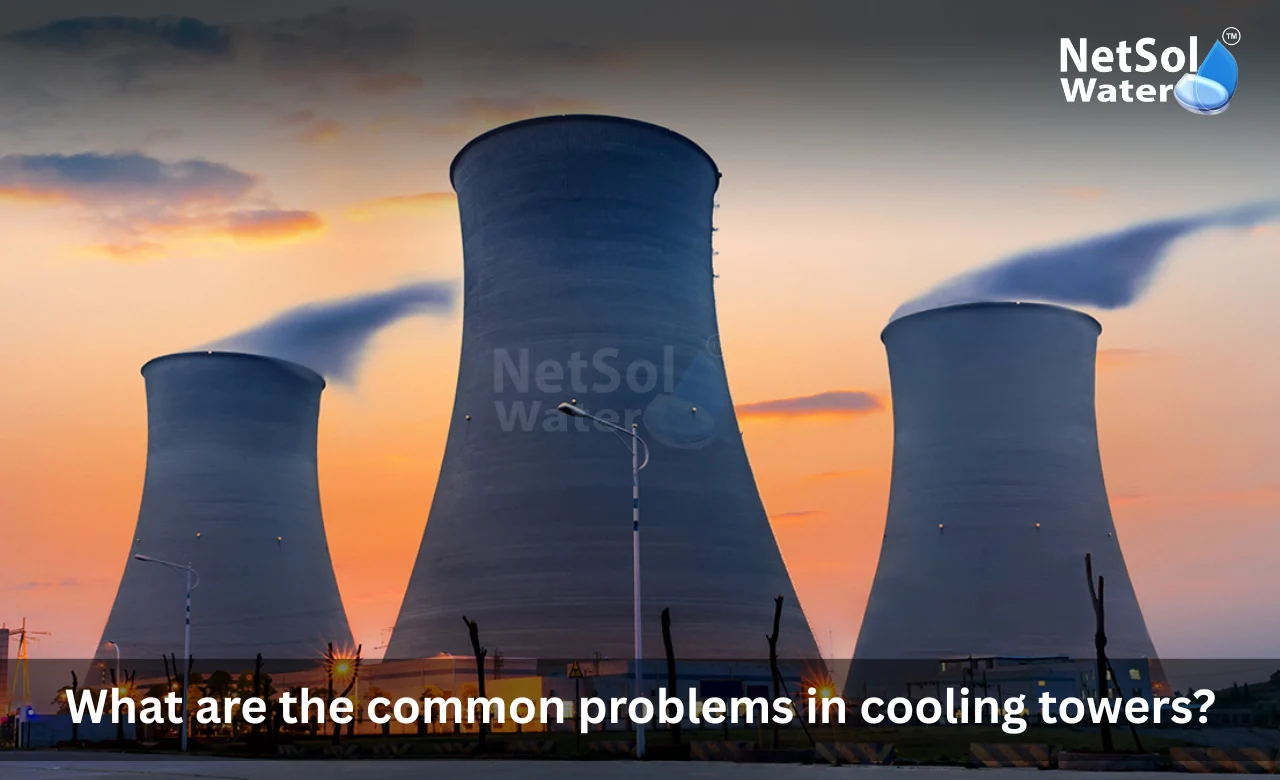
What Are the Common Problems in Cooling Towers?

Cooling towers play a big role in many industries. They remove heat from process water and help machines work at a safe temperature. When they run well, they support steady output and lower energy waste. When they face trouble, the whole system can suffer. That is why many plants watch for early warning signs and act fast.

We are a leading name in this field and help industries handle cooling tower issues with practical support and reliable solutions. In this blog, we will look at the common problems in cooling towers and explain why they happen and how they affect daily use.

Scale Buildup in the Tower

Scale buildup is one of the most common issues in a cooling tower. It happens when minerals in water settle on pipes, fills, and heat exchange surfaces. This may seem like a small issue at first. Over time, it becomes a serious problem because it blocks water flow and reduces heat transfer. The tower then needs more energy to do the same job. That leads to higher power use and weaker cooling performance.

Let us have a look at some of the main points behind this issue.

1. Hard Water Deposits

Hard water contains calcium and magnesium. When water moves through the system and loses heat, these minerals can stick to surfaces. The deposits become thicker with time. This makes the tower less efficient and may also damage nearby parts. If a plant ignores this problem, the system may need frequent cleaning and repair.

2. Poor Water Treatment

A tower also faces scale when water treatment is weak. The system needs the right chemical balance to keep minerals under control. When the balance goes wrong, the water forms thick layers on internal parts. This creates more resistance and reduces flow. Regular testing and proper treatment help keep the problem in check. Many plants treat this issue as minor at first but it can grow fast and affect the full cooling process.

Corrosion in Cooling Towers

Corrosion is another major problem in cooling towers. It appears when metal parts start breaking down because of water, air, and chemical reaction. This issue can harm pipes, basins, nozzles, and other metal surfaces. Once corrosion starts, it can spread and weaken the entire tower. It may also cause leaks and metal loss. That is why this is one of the most serious problems in cooling towers.

Let us have a look at some of the common causes and effects.

1. Chemical Imbalance in Water

Water with wrong pH or high salt level can attack metal parts. The surface slowly starts rusting and losing strength. This may not cause an immediate breakdown but it creates long-term damage. When the surface weakens, the tower becomes less safe and less reliable. Good water control helps reduce this risk.

2. Air and Moisture Exposure

Cooling towers stay in contact with water and air all the time. This constant contact speeds up corrosion if the materials are not protected well. Rust can spread to nearby parts and reduce the life of the system. Coated materials and regular checks help slow down this damage. Plants that keep a close watch on corrosion often save money on repair and replacement.

Biological Growth in the System

Biological growth is a common issue in warm, wet systems. Cooling towers create a good place for algae, slime, and bacteria to grow if the water stays untreated. This growth can block flow, create foul smell, and reduce the quality of the cooling process. In some cases, it can also create health concerns. So this problem needs quick attention and regular care.

Let us have a look at some of the main forms of growth inside a tower.

1. Algae and Slime

Algae often grow in areas that get sunlight and stagnant water. Slime then forms on the tower surface and inside pipes. This layer reduces water movement and can trap dirt as well. Once it spreads, the tower needs stronger cleaning and more chemical use. Plants should remove standing water and keep the tower clean to stop this issue early.

2. Bacteria and Health Risk

Some bacteria can grow in cooling tower water if the system is not managed well. These microbes may spread through mist and create health risk for people nearby. That makes regular disinfection very important. Good cleaning schedules and proper chemical control help reduce this risk. This is one of the reasons why many operators check water quality on a fixed routine. It protects both equipment and the people who use the space.

Mechanical and Operational Problems

Mechanical and operating issues also affect tower performance. Even when water quality is good, a tower may still fail because of worn parts, poor flow, or bad maintenance. These problems in cooling towers often show up as noise, vibration, uneven cooling, or higher energy use.

Let us have a look at some of the most common mechanical faults.

1. Fan and Motor Trouble

Fans and motors keep air moving through the tower. When they wear out or lose balance, the tower cannot cool well. A weak fan lowers airflow and raises water temperature. This puts stress on the whole system. Regular inspection helps catch loose parts, damaged blades, and motor issues before they lead to bigger failure.

2. Poor Water Distribution

A tower needs even water flow across all areas. When nozzles clog or pumps lose pressure, the water does not spread properly. Some parts then get too much water while other parts get too little. This lowers cooling output and wastes energy. Clean nozzles and proper pump care help the tower work in a stable way. Many plants overlook this issue until the performance starts dropping sharply.

Clogging and Dirt Accumulation

Dust, leaves, mud, and other dirt can enter the cooling tower from the air and water source. These materials settle inside the system and create clogging. When this happens, the water cannot move freely and the tower loses performance. This issue may also lead to uneven cooling and more wear on pumps and pipes. Dirt buildup is often linked with poor maintenance and weak filtration.

Let us have a look at some of the main ways this problem appears.

1. Blocked Fill Media

Fill media helps increase contact between air and water. When dirt sticks to it, the tower loses heat transfer capacity. The surface becomes heavier and less effective. This can force the system to work harder for the same result. Regular cleaning keeps the fill in better shape and helps the tower stay efficient.

2. Sediment in Basin and Pipes

Sediment often settles at the bottom of the basin or inside pipes. This can reduce storage space and block water movement. It may also push strain onto pumps and valves. Plants should remove sediment on a fixed schedule and keep the water source as clean as possible. Good upkeep makes a clear difference in tower life and daily output.

Read some interesting information for theĀ Industrial RO Plant Manufacturer in Delhi

Conclusion

Cooling towers support many industrial and commercial systems. When they face scale, corrosion, biological growth, mechanical faults, or dirt buildup, they lose strength and efficiency. These issues can raise costs, reduce output, and shorten equipment life. The good news is that regular care and proper water control can prevent many of these problems. A plant that acts early saves time, money, and stress in the long run. If you are dealing with problems in cooling towers and need the right support, Netsol Water can help with practical solutions and expert guidance. Reach out for more information or request a consultation to keep your cooling system running with confidence.

Contact Netsol Water at:

Phone: +91-9650608473

Email: enquiry@netsolwater.com

What-causes-odours-at-wastewater-treatment-plants-6.webp

May 28, 2026by Netsol Water

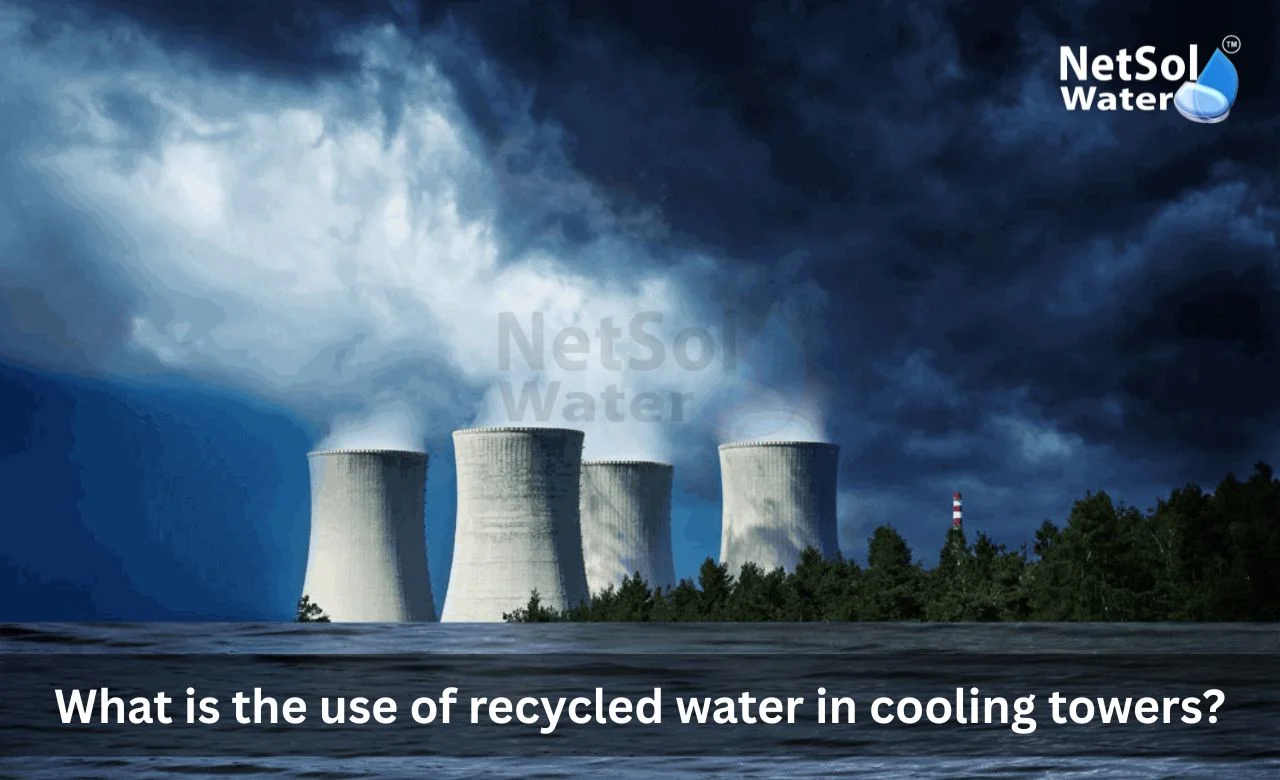
What is the Use of Recycled Water in Cooling Towers?

Water in Cooling Towers supports many industries that need steady cooling every day. Factories, power plants, malls, and large buildings all use cooling towers to remove extra heat from machines and systems. As fresh water becomes harder to save, many businesses now look at recycled water as a smart option. Recycled water means water that has already been used and then treated again for a new purpose. It helps reduce waste and lowers pressure on clean water sources.

We are the leading name in water treatment solutions and modern water management support. Recycled water gives companies a practical way to keep cooling towers running while also protecting water resources. It can support daily operations, cut costs, and improve the overall water cycle in a plant. When treated in the right way, it becomes a useful part of safe and steady cooling tower service.

Why Recycled Water Matters in Cooling Towers

Recycled water has become important because it helps companies use water in a smarter way. Cooling towers need a large amount of water to remove heat and keep systems stable. When a site depends only on fresh water, it can face high use and higher strain on local supply. Recycled water helps solve this problem by giving the cooling system another safe source.

Let us have a look at some important points why this matters.

1. Saving Fresh Water

A cooling tower loses water through evaporation, drift, and blowdown. This loss makes fresh water demand very high. Recycled water can replace part of that demand and help a plant save clean water for other uses. This is useful in cities where water supply changes from season to season. It also helps industries that want to manage resources with more care. When a business uses recycled water, it lowers its need for direct intake from lakes, rivers, or municipal lines. That creates a more balanced water plan for the whole site.

2. Lower Pressure on Local Supply

Many areas already face water stress. Large cooling systems can add more pressure if they depend fully on potable water. Recycled water reduces this pressure because it gives cooling towers a second source. This allows companies to continue work without taking too much from the public supply. It also helps a plant stay prepared during dry months. A steady water plan supports long-term work and makes the system more dependable. That is why Water in Cooling Towers often includes recycled water in modern plants.

How Recycled Water Supports Cooling Performance

Recycled water does more than save water. It also helps cooling towers keep working in a stable way when the water gets treated and managed well. The tower must move heat away from equipment at the right speed. If the water quality is controlled, then recycled water can work well in that process.

Let us have a look at some key ways it supports performance.

1. Helping Heat Transfer

Cooling towers work by moving heat from warm water to air. Recycled water can do this job if the plant removes harmful solids and controls the chemical balance. The tower then sends water through the system and allows heat to leave the process. This keeps machines safe and reduces the risk of overheating. When the treated recycled water flows in the right condition, the cooling tower can perform with good consistency. The system does not need perfect water to work. It needs water that stays within safe operating limits.

2. Managing Minerals and Solids

Recycled water often carries more dissolved minerals than fresh water. It may also hold small particles or traces of other materials. These can build scale or create deposits inside the tower if the plant ignores them. For this reason, treatment matters a lot. A proper setup may include filtration, softening, and chemical control. These steps help keep the water safe for circulation. They also protect pipes, fills, and heat exchange surfaces. Good control makes the recycled water useful instead of risky. So Water in Cooling Towers depends on both the source and the treatment method.

Business and Environmental Benefits

Companies do not use recycled water only for water saving. They also choose it because it supports cost control and cleaner operations. A well-managed cooling tower can help a business work with less waste and more confidence. This matters in large plants where water demand stays high throughout the year.

Let us have a look at some major benefits.

1. Lower Operating Cost

Fresh water use can raise operating cost in a big cooling system. A plant may need to pay for water intake, treatment, and discharge handling. Recycled water can reduce part of that burden. When a site reuses treated water, it lowers the amount of fresh water it buys. It also cuts the load on wastewater disposal. Over time, this can support better cost control. Many companies now see recycled water as a useful part of long-term saving. It does not remove all costs. Still, it can make cooling work more efficient from a financial point of view.

2. Less Wastewater and Better Sustainability

Recycled water also supports a cleaner water cycle. Instead of sending all used water away, a plant treats and reuses part of it. This lowers wastewater discharge and helps the site use resources with care. It also supports sustainability goals that many businesses now follow. A company that uses recycled water shows that it values the environment and plans for the future. This can improve its public image and its internal water policy at the same time. For many industries, Water in Cooling Towers now links directly with greener operation and responsible water use.

Treatment and Care Before Reuse

Recycled water can help only when the plant treats and watches it with care. Cooling towers work in open systems. That means the water can collect dust, minerals, and biological growth during use. A good treatment plan keeps the system safe and helps the tower run without trouble.

Let us have a look at some important treatment needs.

1. Filtration and Disinfection

Before recycled water enters a cooling tower, it should pass through treatment stages that remove dirt and reduce germs. Filtration helps take out suspended matter. Disinfection helps control bacteria and other unwanted growth. These steps protect the tower from clogging, foul smell, and poor flow. They also help reduce the chance of slime or microbial buildup. A clean water stream gives the cooling tower a better chance to run well for a long time. Without this step, recycled water may create more problems than it solves.

2. Monitoring and Regular Checks

A plant must also check water quality again and again. Operators should watch pH, hardness, conductivity, and other key values. They should also inspect the system for scale, corrosion, and deposit growth. These checks help them adjust treatment before a small issue becomes a big one. Good monitoring keeps the cooling tower stable and safe. It also helps the business avoid downtime and repair costs. Recycled water works best when the team treats it as part of a planned water program. Careful control keeps Water in Cooling Towers reliable and efficient.

Read some interesting information for theĀ Effluent Treatment Plant Manufacturer in Gurgaon

Conclusion

Recycled water gives cooling towers a practical and responsible way to handle high water demand. It helps save fresh water, lower cost, reduce waste, and support steady cooling performance. It also fits well with modern industry needs where water use must stay smart and controlled. With proper treatment and regular monitoring, recycled water becomes a valuable part of daily plant work.

Netsol Water helps businesses manage Water in Cooling Towers with better planning and treatment support. If you want more information or need guidance for your cooling system, then getting in touch for a consultation can be a useful next step.

Contact Netsol Water at:

Phone: +91-9650608473

Email: enquiry@netsolwater.com