
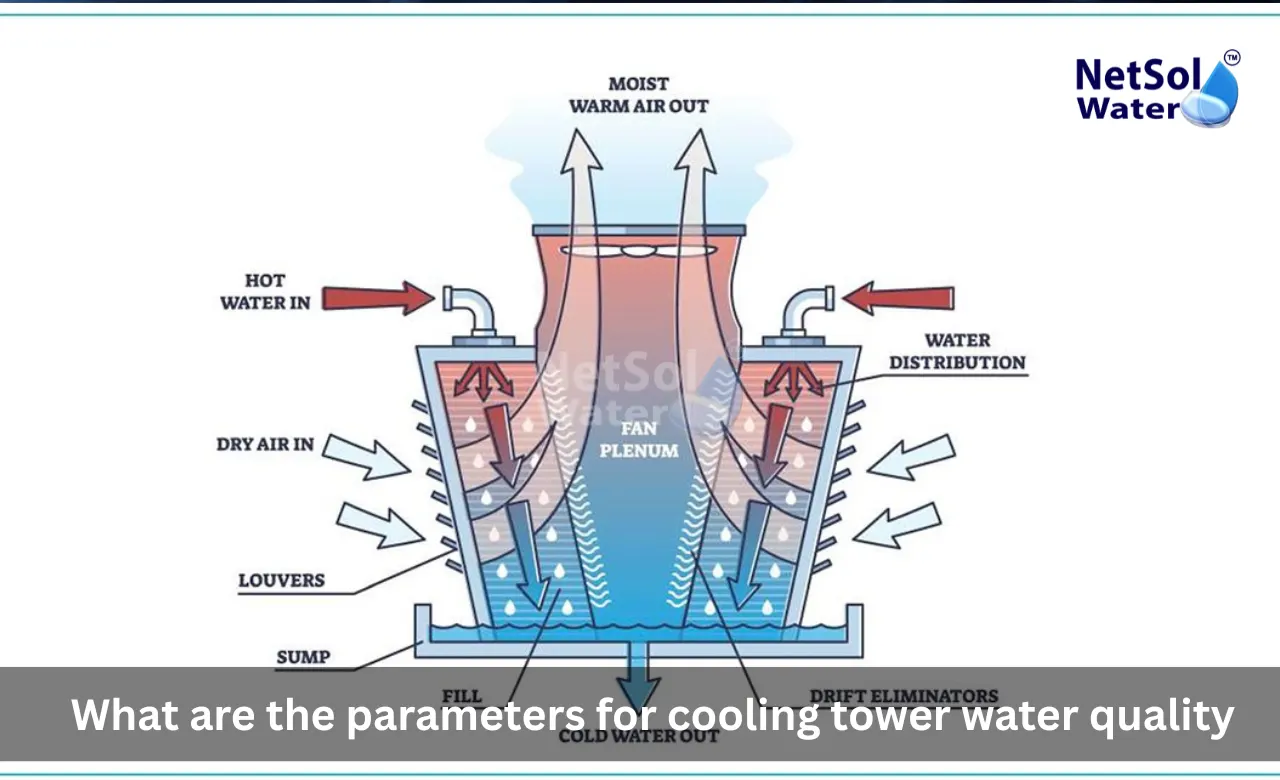
What are the parameters for cooling tower water quality?
Cooling towers play an important role in many industrial systems. They remove heat from water and help machines run in a safe and steady way. This is why water quality inside the tower needs close attention. When the water does not meet the right standards, then the system can face scale buildup. It can also face corrosion. It may even develop slime and bad smell. All of these issues can reduce performance and raise operating cost. That is why the parameters for cooling tower water quality matter so much in daily plant care.
We are the leading name in water treatment solutions and helps industries manage these issues in a practical way. Good water control keeps the tower clean. It helps protect equipment. It also supports better heat transfer and longer plant life.
pH and Alkalinity
Water pH is one of the first things that plant teams check. It shows whether the water is acidic or basic. This may sound simple but it has a big effect on tower health. When pH moves out of the safe range, then the water can attack metal parts or help scale form on surfaces. That is why pH control is one of the most important parameters for cooling tower water care.
Let us have a look at some key points that make pH and alkalinity so important in a cooling system.
1. Why pH Matters
pH affects almost every part of tower water quality. Low pH can make water acidic. This can speed up corrosion in pipes. It can also damage pumps and metal parts. High pH can push the water toward scale formation. In that case, minerals may settle on heat exchange surfaces. This layer blocks smooth heat transfer and makes the tower work harder.
A stable pH also helps treatment chemicals work in a better way. Many chemical programs need a narrow pH range to perform well. When the pH stays under control, then the plant can keep the system safer and more efficient. Regular testing helps teams catch changes early. This allows them to adjust the treatment before damage starts.
2. How Alkalinity Supports pH Control
Alkalinity tells us how well water can resist sudden pH change. It works like a buffer. When alkalinity is too low, then the pH can shift fast. This makes the water harder to manage. When alkalinity is too high, then scale risk can rise. So the right balance matters.
Plant teams often track alkalinity with pH because both values work together. If the water has a strong buffering effect, then treatment becomes more stable. This helps prevent sudden swings that can harm equipment. Good alkalinity control also supports chemical dosing. It gives the operator a better base for safe and steady water treatment.
Hardness and Scale Control
Hardness is another major factor in cooling tower water. It mainly comes from calcium and magnesium in the water supply. These minerals may seem harmless at first. However, they can create hard deposits when water gets warm and starts to evaporate. This is one of the most common problems in tower systems. Among the parameters for cooling tower operation, hardness deserves close attention because scale can cut efficiency very quickly.
Let us have a look at some main ideas about why hardness must stay under control.
1. Calcium and Magnesium in the Water
Calcium and magnesium are the main elements behind water hardness. When their levels rise, then the water becomes more likely to form deposits. These deposits can settle on fill media. They can also build up inside piping and on heat exchange surfaces. Over time, this layer becomes thicker and harder to remove.
Scale acts like a blanket over metal surfaces. It slows heat movement and forces the system to use more energy. It can also raise water temperature and reduce overall cooling power. That is why plant operators test hardness often. When they know the mineral level, they can choose the right treatment plan. This helps them avoid costly cleaning and shutdowns.
2. Scale Formation and Prevention
Scale forms when water loses heat and leaves minerals behind. As evaporation continues, the mineral content becomes more concentrated. If the water chemistry is not managed well, then solids start to settle on surfaces. This creates a rough layer that grows with time.
Operators prevent scale by controlling water cycles and using treatment chemicals. They also use bleed-off to remove concentrated water from the system. This keeps mineral levels from climbing too high. Regular checks also help spot early warning signs. When teams act early, they can protect the tower before serious buildup forms. Good scale control keeps the system efficient and supports long service life.
TDS and Conductivity
Total dissolved solids or TDS show the amount of material dissolved in the water. Conductivity helps measure the same idea in a practical way. As water evaporates in the tower, the dissolved solids stay behind. This means the level keeps rising unless the plant removes some of the water. These checks are key parameters for cooling tower water quality because they help teams understand how concentrated the water has become.
Let us have a look at some important points about TDS and conductivity.
1. Why Dissolved Solids Rise
Cooling tower water is open to the air. As the tower removes heat, some water turns into vapor. The dissolved solids do not leave with the vapor. They stay in the system and become more concentrated each day. This can increase the chance of scale and corrosion. It can also make treatment harder.
High TDS can affect many parts of the system. It can reduce chemical efficiency. It can also stress equipment and lower cooling performance. For this reason, operators need to test the water often. When they track TDS and conductivity, they can see how fast the system is concentrating. This gives them a clear sign of when action is needed.
2. How Bleed-Off Helps
Bleed-off means removing a small part of the tower water and replacing it with fresh water. This simple step helps control dissolved solids. It lowers conductivity and keeps the system within a safe range. Without bleed-off, the dissolved solids would keep rising until the water became difficult to manage.
The right bleed-off rate depends on water quality and tower load. If the rate is too low, then solids build up. If it is too high, then water gets wasted. That is why careful monitoring matters. When teams combine testing with proper control, they can keep the system balanced. This supports better cooling and lower running cost.
Microbial Growth and Biological Control
Cooling tower water can support bacteria and other microorganisms if plant teams do not manage it well. Warm water and air contact create a place where microbes can grow fast. This can lead to slime. It can also cause foul odour and blocked flow. In some cases, harmful bacteria may also become a health risk. This makes microbial control one of the most important parameters for cooling tower water management.
Let us have a look at some core points about why biological control matters so much.
1. Bacteria and Biofilm
Bacteria can multiply quickly in tower water. When they settle on surfaces, they can form biofilm. Biofilm is a sticky layer that protects microbes from normal cleaning. Once this layer grows, it can trap dirt and support more growth. It can also reduce heat transfer and block water flow.
Biofilm creates more than one problem. It can weaken treatment results. It can also increase corrosion under the deposit layer. This makes the system less efficient and more costly to run. For this reason, operators need to watch for signs like slime buildup or bad smell. Early action helps stop the problem before it spreads.
2. Monitoring and Safe Dosing
Microbial control depends on steady monitoring and correct chemical dosing. Many plants use biocides to control growth. Some programs use oxidizing chemicals while others use non-oxidizing products. The right choice depends on the system and water condition. Operators must dose with care. Too little will not control growth. Too much may harm equipment or create safety issues.
Regular testing helps plant teams know whether the treatment works. They can check bacteria levels. They can also review water appearance and odour. When they keep a steady program in place, the tower stays cleaner and safer. This also helps protect workers and nearby areas from unwanted biological growth.
Read some interesting information for the Industrial RO Plant Manufacturer in Gurgaon
Conclusion
A cooling tower works best when its water stays under control. The right pH, the right hardness level, the right dissolved solids, strong microbial control, and proper corrosion protection all work together to keep the system safe and efficient. These checks may seem small at first. Yet they decide how well the tower performs each day.
Netsol Water supports industries that want better water control and cleaner system performance. If you need help with cooling tower water management or want guidance on the right treatment plan, then get in touch for more information or request a consultation. A well-managed water system can save energy, reduce repair needs, and keep operations running smoothly.
Contact Netsol Water at:
Phone: +91-9650608473
Email: enquiry@netsolwater.com