
Sewage Treatment Plant Manufacturer in Varanasi
Sewage Treatment Plant in Bangalore
Sewage Treatment Plant Manufacturer in Varanasi
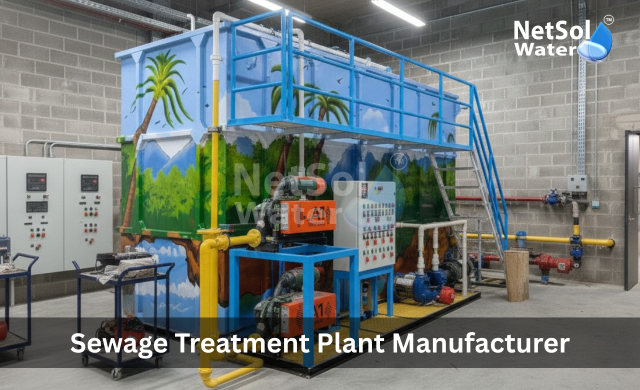
Varanasi draws visitors for its rivers and ancient temples. The city also faces modern challenges with growing waste and strained water systems. Sewage Treatment Plant in Varanasi must address both public health and the need to protect the Ganges from pollution. Clean water supports tourism and daily life. Communities need solutions that match local conditions. We stands as a leading Sewage Treatment Plant Manufacturer in Varanasi.
Why Sewage Treatment Matters in Varanasi
Clean water safeguards health and economy. Varanasi sees many visitors and daily life depends on safe sanitation. Untreated sewage harms rivers and soil and it increases disease risk. Sewage Treatment Plant in Varanasi must remove solids and harmful microbes and reduce chemical loads. Let us have a look at some key reasons and approaches.
1. Protection of the river and its banks
Treatment systems reduce organic load. The local population gains from lower rates of water borne illness. Cleaner water supports small business that depend on water for washing and cooling. Local farmers that use treated water for irrigation avoid soil damage from untreated waste.
2. Sewage systems must match local infrastructure
The design must fit household patterns and local seasons. During monsoon, heavy flows reach the sewers and systems must handle wet weather peaks. During dry months, the focus shifts to efficient biological treatment. A manufacturer that understands these cycles helps communities get continuous service.
Services Offered by a Good Manufacturer
Buyers need to know what a Sewage Treatment Plant Manufacturer in Varanasi will offer. Services range from design to long term care. Let us have a look at some common offerings and how they matter in practice.
1. Design and engineering
A good design takes the inflow quality, expected daily and peak flows during rains into account. Engineers choose the right biological processes and the correct tank sizes and the proper aeration systems. The design phase also covers the layout for easy access for maintenance and for safety.
2. Installation and commissioning
Skilled staff place tanks and pumps and then start the system under test conditions. Commissioning proves that the plant meets discharge standards. The manufacturer must train local staff and provide manuals that are simple to follow.
3. Operation and maintenance
Regular checks on pumps, on sludge levels, and on aeration equipment prevent failures. Scheduled cleaning and proper sludge handling increase system life. A manufacturer that offers maintenance contracts and fast spare parts supply reduces downtime and keeps costs predictable.
Technical Options and Technologies
Choosing the right technology shapes long term performance. Different processes suit different sites. Let us have a look at some common technologies and how each one works in a local context.
Activated sludge based systems provide strong removal of organic matter. These systems use microbes that digest waste in aerated tanks. They need reliable power and regular care. For densely built urban areas, activated sludge plants fit well when operators can manage the process.
Sequencing batch reactors offer compact operation with flexible control. A single tank handles filling, aeration, settling, and discharge in timed cycles. These systems work where space is limited and where load changes by hour or by day. They can deliver steady effluent quality with simpler piping.
Constructed wetlands and biofilters make sense for small communities and for final polishing. These systems use natural processes with plants and media to remove nutrients and remaining solids. They use less power and blend into the landscape. They also provide habitat benefits and lower running costs.
How to Choose the Right Manufacturer
The choice of sewage treatment plant manufacturer determines the long term cost and reliability of a plant. Buyers should consider experience, after sales support, and local knowledge. Let us have a look at the selection criteria that matter.
1. Track record
Ask for projects done nearby and for references you can contact. A manufacturer that has installed plants in similar soil and water conditions will avoid common mistakes. Look for proof of performance in the form of test reports and customer feedback.
2. After sales support
A Sewage Treatment Plant in Varanasi will need spares and occasional technical help. Choose a sewage treatment plant manufacturer that offers clear service plans and that keeps critical spares on hand. Training for local operators and quick remote support cut the time a plant stays offline.
3. Cost and life cycle
Low initial price can hide high running costs. Compare estimates that include energy use, labor, and sludge disposal. A sensible supplier will show expected life cycle costs and will explain where savings come from.
Conclusion
Sewage Treatment Plant in Varanasi plays an important role in protecting health and the river and in supporting local life. A well designed plant reduces pollution and keeps operating costs under control. Netsol Water stands ready to help with design, installation, and long term care for community and industrial projects. If you need more information or if you would like a consultation, please contact Netsol Water for a site review.
Contact Netsol Water at:
Phone: +91-9650608473
Email: enquiry@netsolwater.com
Top Quality Sewage Treatment Plant in Bangalore
We are the leading waste and water treatment company for Sewage Treatment Plant Manufacturers in Bangalore. We’ve hundred plus water treatment plant installation experience. For Any inquiry Email us at info@sewagetreatmentpalnts.in