RO Plant - Sewage Treatment Plant Manufacturers

What-should-I-know-about-the-cost-and-installation-of-an-RO-System.webp

November 15, 2025by Netsol Water

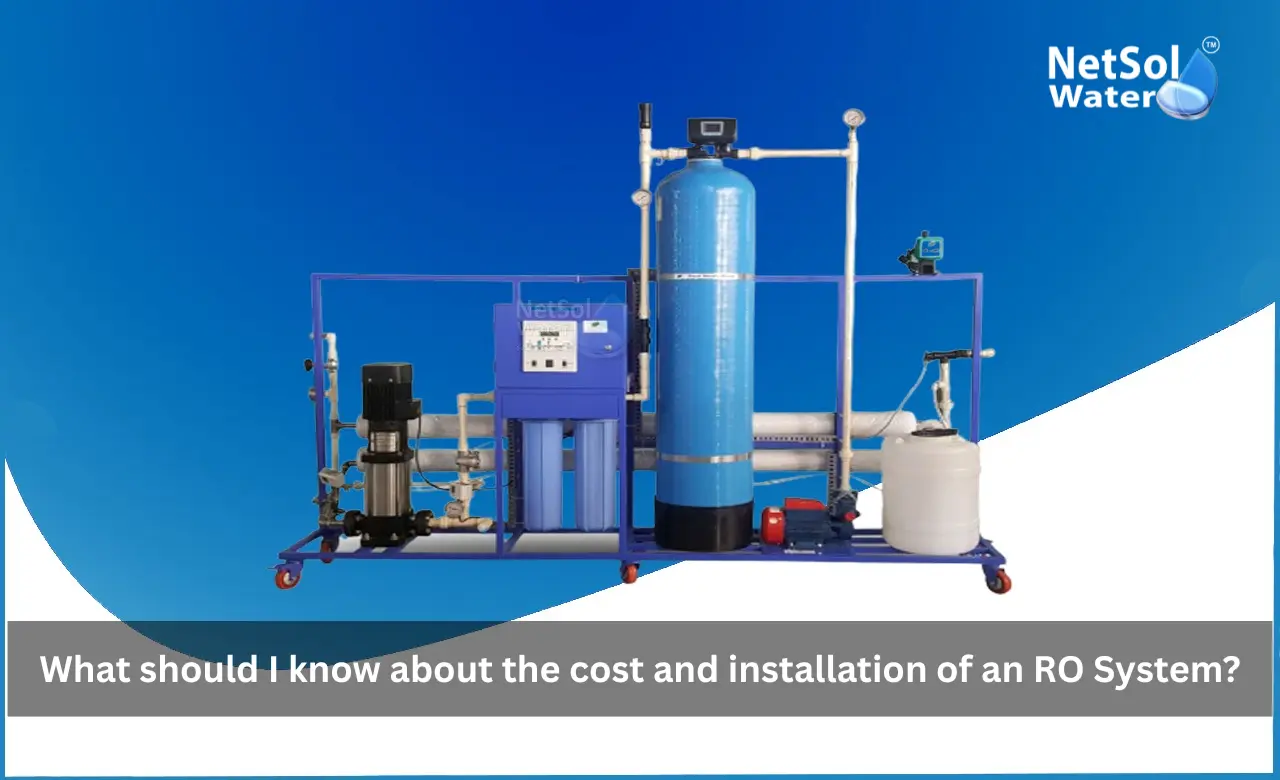
What should I know about the cost and installation of an RO System?

People use water for drinking, cooking, cleaning and industry use. An RO plant can remove many harmful substances and give safe water for homes and businesses. Netsol Water is the leading RO Plant Manufacturer and it makes plants that suit many needs. We will explain what affects the cost of an RO plant and what to expect during installation.

Cost of an RO plant

Understanding the cost helps you plan your budget and choose the right plant for your needs. Let us have a look on some cost elements that you should know.

Upfront cost

Upfront cost covers the purchase of the RO unit parts and installation work. A small unit for a home costs less than a large unit for a factory. Materials matter because better membranes and stronger frames last longer and may cost more at first. Control panels pumps and prefilters add to the price. Custom needs will change the cost if you want special filters or extra treatment steps. Brand also affects price. A trusted RO Plant Manufacturer will offer design support and warranty. Warranties can save money later and must be part of your decision. When you compare quotes check what each vendor includes. Ask if the quote covers delivery on site taxes and basic commissioning. If the supplier gives a low price but leaves out key items then you may pay more later. Think of price and value together.

Operating cost

RO plants use a pump and so they need power. Higher capacity units use more power. Some plants include energy saving pumps to cut this cost. Filters and membranes wear out and need replacement after months or years. Membrane life depends on feed water quality and maintenance. If you have hard water you will need pre treatment and that will increase maintenance cost. Water waste is also important because RO rejects a portion of water during purification. Newer designs reduce waste and save water. Service contracts help by fixing problems fast and keeping the plant running. When you plan cost include a yearly estimate for parts power and service. This will let you compare systems fairly. An RO Plant (Reverse Osmosis Plant) Manufacturer can give typical numbers for similar installations so you can set a sensible budget.

Installation of an RO plant

Good installation makes the plant work well and last longer. Let us have a look on some installation steps that you must plan for.

Site preparation and plumbing

Choosing the right place for the unit is the first step.  The plant should be kept near the feed water source and near a drain for wastewater. If you place the unit far from the feed source you will add pipe cost and lose pressure. Good piping and proper valves help technicians test and service the system. If your water has heavy solids or high hardness you will need pre treatment like sediment filters and softeners before the RO stage. This adds to the installation work but it protects the membranes and reduces long term cost. Electrical supply must meet the pump specifications and follow local safety rules. A qualified electrician should install the power line and earthing. Clear site preparation reduces delays during installation and avoids added expense.

Time and labour

Installation time depends on plant size and site complexity. A small home unit can be installed in a few hours. A commercial plant needs days or weeks for full fitting testing and commissioning. Skilled technicians will install pumps filters membranes and control systems then test the whole flow and take water samples. Testing and commissioning is a key step because it proves the system meets the performance promise. Technicians will adjust pressures and check alarms and safety features. If you want the supplier to train your staff ask for this in the contract. Training helps your team handle routine checks and reduces downtime. A clear work order with stages and milestones keeps everyone aligned and avoids unexpected costs.

Read some interesting information for Effluent Treatment Plant Manufacturer in Noida

Conclusion

Netsol Water is the leading RO Plant Manufacturer and it can help you estimate both cost and installation needs. If you want a formal quote or an on site survey please get in touch with the supplier for a consultation. Netsol Water will give a customized plan and a transparent price. Contact the team to request a visit and to get answers to questions about capacity parts and service.

Contact Netsol Water at:

Phone: +91-9650608473

Email: enquiry@netsolwater.com

Add-a-subheading-1-2-4.webp

October 29, 2025by Netsol Water

How to Increase Water Pressure in RO System

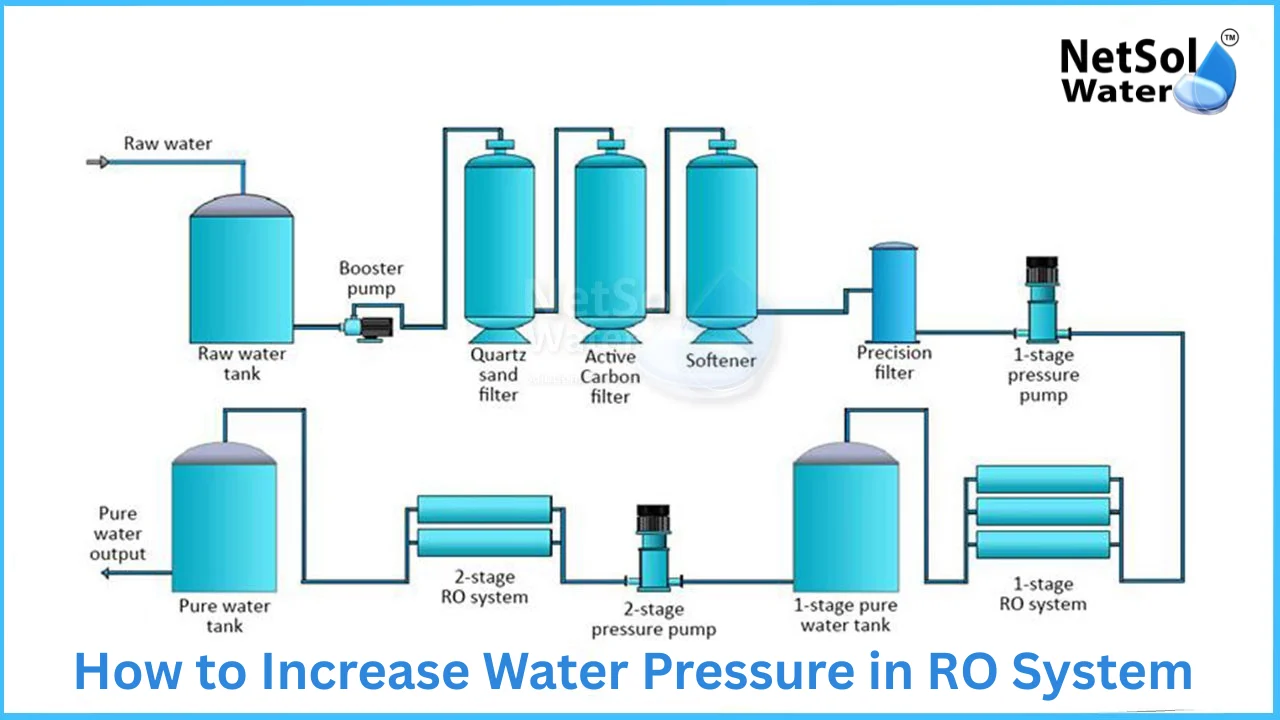
Water pressure matters when you use an RO plant. Low pressure can slow down the flow and reduce the output of clean water. People and industries in Noida and nearby areas look for reliable RO solutions. Netsol Water is the leading Commercial RO Plant Manufacturer and it serves many clients in India. We will explore how to increase water pressure in RO plant.

Check and Upgrade the Feed Water Supply

Good feed water pressure forms the base for any RO system. If the incoming pressure stays low the system cannot push water through the membrane. Let us have a look on some steps that will improve the feed supply and raise the pressure to the RO plant.

Inspect inlet pipe and valve

Start by checking the inlet pipe and the inlet valve. Look for any narrow or long pipes that reduce flow. Replace old pipes that have scale or deposits built inside. Open the inlet valve fully to allow full feed pressure to reach the RO plant. Confirm there are no hidden bends that choke the flow. A straight and wider pipe helps the water move faster. Check the municipal or bore well pressure at the point where the pipe joins the RO. If the source pressure reads low then the system will not perform well.

Install a booster pump

When the feed source cannot provide enough pressure a booster pump will help. Choose a pump rated for RO use and with stable output. Install the pump before the prefilters so that all stages see higher pressure. A pump will cut the filling time and increase the daily output. Make sure the pump has a pressure switch and an automatic shut off to protect the membrane. A good pump reduces pressure loss and keeps the plant steady during peak use. A qualified technician should fit and test the pump to match the RO flow rate.

Maintain RO Filters and Membranes

Clean filters and a healthy membrane keep the pressure stable inside the RO plant. Clogged prefilters raise the pressure drop and reduce flow. Let us have a look on some maintenance steps that will restore and keep proper pressure in the RO plant.

Clean and replace prefilters

Prefilters protect the membrane from sand, silt and chlorine. When these filters clog the pump must work harder and the pressure at the membrane drops. Check the sediment and carbon filters on a set schedule. Replace them when they show signs of dirt or when the flow slows. Use quality cartridges that match the system design. A clean prefilter set will let the feed pressure reach the membrane at the expected level. Regular replacement keeps the whole system balanced and reduces stress on the pump.

Service the membrane and test flow rates

The membrane is the heart of the RO plant. A fouled membrane will cut the flow and raise the pressure loss across the unit. Perform routine cleaning of the membrane following manufacturer guidance. Test the permeate and reject flows to confirm the membrane still performs well. If cleaning does not recover the output then replace the membrane. A new membrane will restore the design flow and lower the pressure load on the pump. Keep records of flow rates and cleaning cycles to plan timely service.

Adjust System Settings

Control settings and small accessories affect the pressure at the tap and the system output. Proper settings and the right accessories will keep the pressure steady under different demand levels. Let us have a look on some adjustments and upgrades that support higher pressure in the working system.

Set pressure switches and tank pressure

The pressure switch controls pump start and stop points. Set the switch thresholds to match the pump and the RO specifications. If the cut in point is too low the pump may not reach the needed pressure. The pressure tank also plays a role. Check the tank precharge and adjust it slightly below the cut in pressure. A correct tank pressure reduces pump cycling and keeps the outlet steady. Test the system under normal draw conditions and fine tune the switch settings to keep a steady flow without overworking the pump.

Add gauges and upgrade the storage tank

A pressure gauge at key points helps to spot pressure losses quickly. Fit gauges at the pump outlet and at the RO outlet. Use the readings to identify where the pressure drops. If the storage tank is small or aged replace it with a larger or better lined tank. A larger tank reduces the number of pump starts and helps maintain steady pressure at taps. Also consider a booster stage after the storage tank if you need higher delivery pressure for specific equipment. These upgrades work together to give a stable supply and ease the load on the core RO components.

Read some interesting information for Industrial RO Plant Manufacturer

Conclusion

Good pressure makes an RO plant work well and last longer. Check the feed source the filters the membrane and the controls to find and fix the weak point. Netsol Water is the leading Commercial RO Plant Manufacturer and we help clients boost pressure with the right pump the right settings and the right maintenance plan. If you need advice or a site visit contact Netsol Water for a consultation. Our team will evaluate your system and suggest a clear plan to increase your RO water pressure and improve daily output.

Contact Netsol Water at:

Phone: +91-9650608473

Email: enquiry@netsolwater.com

Add-a-subheading-1-2-2.webp

October 27, 2025by Netsol Water

How do I maintain my RO system?

A clean water source keeps a home healthy and safe. Many cities in India face hard water and mixed sources that carry particles and salts. An RO Plant does the heavy work of cleaning such water so families get pure drinking water. Netsol Water is the leading RO Plant provider and they make plants that last long. Good maintenance keeps the plant working well and saves money over time.

Regular filter checks and replacements

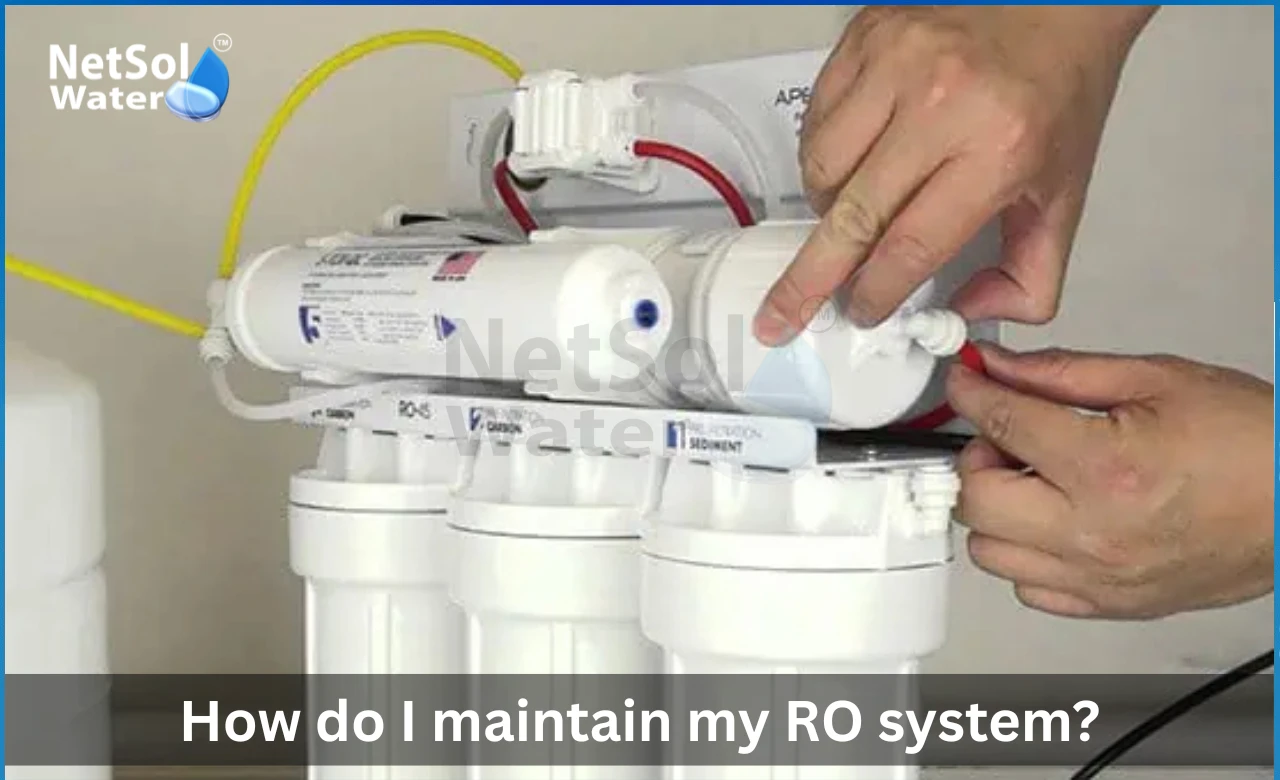
Maintaining filters keeps the RO Plant healthy. Filters stop dust and large particles from reaching the main parts of the system. Clean filters also keep flow stable and protect the RO membrane. Let us have a look on some common filter parts and how to care for each one.

Pre filter care and timeline

Pre filters handle larger particles and sediment in the incoming water. They act as the first shield. Check the pre filters every two weeks for visible dirt if your water is very dirty. In normal city water check them monthly. Replace the sediment cartridge every three months or sooner if you see reduced flow. When you change the cartridge wash the housing and seals with clean water. Dry the parts before fitting new cartridges. Tighten the housing but do not over tighten it. Run water for a few minutes after replacing the cartridge to flush any loose particles. Maintain a record of each replacement date so you know when to change the next cartridge.

Carbon filter and post filter care

Carbon filters remove chlorine taste and organic matter that can harm the RO membrane. These filters need replacement every six to twelve months based on water quality and use. A worn carbon filter reduces taste and smell removal and can let chemicals reach the membrane. Replace the carbon filter on schedule to keep the system safe. After replacement run the unit and check for steady pressure and clear water. A slow flow or odd odor indicates the carbon filter needs attention. Keep spare cartridges at home so you can swap them quickly when needed.

Membrane care sanitization and pressure checks

The RO membrane does the fine separation in an RO Plant. Membrane life depends on pre filter care and proper sanitation. If you leave particles and chemicals near the membrane it will clog or degrade. Let us have a look on some membrane care steps and how to keep the pressure and tanks in good condition.

Membrane cleaning and signs of trouble

Clean the membrane when water quality drops or the system shows low output. Most membranes last two to three years with good care. If water tastes salty or the system output falls by half then check the membrane. Use only the cleaning solutions that the manufacturer or an expert recommends. Never use harsh chemicals at home as they can damage the membrane. Follow the flush and soak steps that come with the cleaning kit. After cleaning run the system and test the water. If the membrane does not recover then you must replace it. Keep a spare membrane if your system serves many people. A fresh membrane restores output and improves water quality fast.

Sanitization schedule and professional service

Sanitize the whole RO Plant at least once a year to stop bacterial growth. Use a mild sanitizing solution and follow the steps in the user manual. Drain the storage tank and add the sanitizer then let the system run for the time that the manual states. Rinse the system fully before using the water again. In addition check the pressure gauge and the pump body each month. Low pressure can reduce membrane performance. If you hear odd noises or find leaks then stop the unit and call a trained technician.

Read some interesting information for Industrial RO Plant Manufacturer

Conclusion

A well maintained RO Plant gives safe water day after day. Small steps like timely filter replacement, membrane cleaning and yearly sanitation keep the system strong. Regular checks prevent big repairs and make the unit serve longer. Netsol Water can help with parts and service if you want a smooth and worry free experience. Contact Netsol Water for details or to request a consultation.

Contact Netsol Water at:

Phone: +91-9650608473

Email: enquiry@netsolwater.com

How-does-Desalination-work-and-where-is-it-used-2.webp

September 10, 2025by Netsol Water

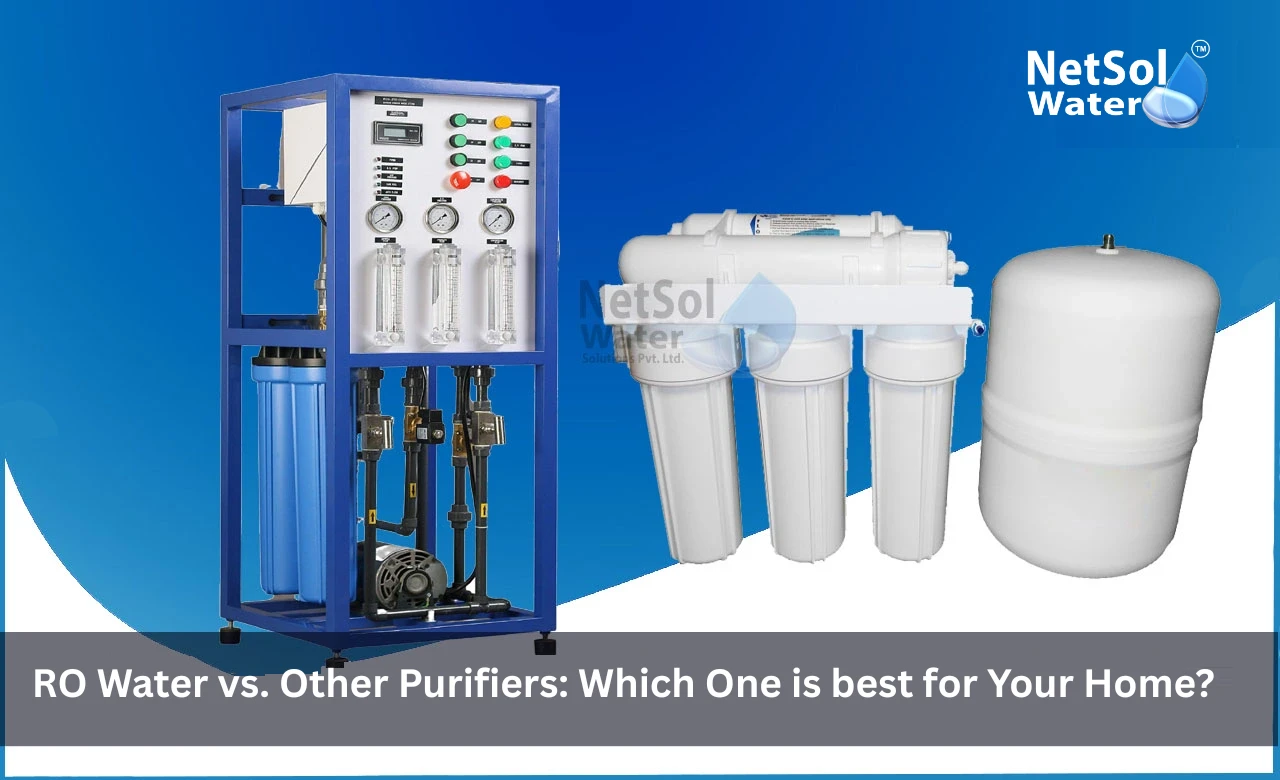
RO Water vs. Other Purifiers: Which One is best for Your Home?

Choosing the right water purifier can change how your family stays healthy at home. This choice matters for homes in cities and towns where water sources vary. Some areas have hard water and high dissolved solids. Some areas have water that looks clear but carries microbes. A clear choice can keep drinking water safe and taste better. Netsol Water is the leading RO Water Plant Manufacturer.

RO Water and Its Benefits

Water purification can change in quality and safety. RO removes many dissolved salts and pollutants that other filters may not remove.

Let us have a look on some key points that explain why RO can help your home. RO uses a thin membrane to push water through and leave many contaminants behind. This process lowers total dissolved solids and improves taste. Homes that use water from wells or from sources with high salt levels see a clear difference after installing an RO unit. RO also reduces heavy metals and some pesticides. That makes the water safer for cooking and for children.

When to choose RO for home

You should pick RO if your water has high total dissolved solids or if local tests show heavy metals or salts. RO helps when the water tastes salty or leaves scale on vessels. If your household water comes from deep wells or from a supply with variable quality, then RO can give consistent results. Netsol Water is the leading RO Water Plant Manufacturer and offers plants that match different home needs. The choice will also depend on your budget and on how much water you use every day.

Comparing RO with UV UF and Activated Carbon Purifiers

Choosing the right purifier means comparing what each type does well. Let us have a look on some common purifier types so you can decide with clear facts.

UV purifiers

UV or ultraviolet systems use light to kill bacteria and viruses. They work well when water has low levels of solids and when the main risk is microbes. UV does not remove salts or dissolved metals. If your water looks cloudy or contains many particles then UV cannot protect the membrane of the UV lamp. UV systems need power to run and they need routine maintenance to keep the lamp working. Use UV when microbial contamination is the main concern and when dissolved solids stay low.

UF purifiers

UF or ultrafiltration uses a membrane with larger pores than RO. UF blocks bacteria and many particles but it does not remove dissolved salts and small ions. UF works without the high pressures that RO needs. That makes UF a good choice where water has microbes but low dissolved solids. UF systems often cost less to run. They do not remove heavy metals or reduce hardness. If your water has chemical contamination then UF will not give full protection.

Activated carbon purifiers

Activated carbon filters remove bad taste and remove chlorine and some organic pollutants. They work well as part of a multi stage system. Carbon does not kill microbes and it does not remove dissolved salts. Use activated carbon to improve smell and taste and as a pretreatment to protect RO and UV stages.

Choosing the Best Option for Your Home

A clear choice comes from testing and from daily needs. Start with a water quality test. Tests show total dissolved solids and the presence of metals and microbes. If TDS is high then RO offers the broadest protection. If microbes are the main issue and TDS is low then UV or UF may work well. Many homes benefit from a combination of stages. A system that uses prefiltration and activated carbon and then RO or UV gives wide protection and better taste.

Look at long term costs and maintenance. RO needs periodic filter changes and membrane care. UV requires lamp replacement. UF needs occasional cleaning. Think about water waste and storage. RO plants can produce some reject water. Netsol Water is the leading RO Water Plant Manufacturer and can guide you on systems that match your water test results and your budget. The right supplier will support installation and after sales service.

Read some interesting information for Commercial RO Plant Manufacturer

Conclusion

Deciding on a purifier needs clear facts and a simple test. RO removes dissolved salts and many chemicals. UV kills microbes and UF removes particles. Activated carbon improves taste and smell. The best choice depends on what your water test shows and on your home needs. Netsol Water is the leading RO Plant Manufacturer and can help you choose the right system for your home. Contact Netsol Water to request a consultation or to get more information about RO Water Plant Manufacturer options that fit your needs and budget.

Contact Netsol Water at:

Phone: +91-9650608473

Email: enquiry@netsolwater.com

How-does-Desalination-work-and-where-is-it-used-1.webp

September 9, 2025by Netsol Water

The Truth About RO Water: Health Benefits and Potential Risks

Netsol Water is the leading RO Plant Manufacturer and it serves many homes and industries across India. People know Netsol Water for making RO plants that clean water well. RO plants remove visible and hidden impurities and make water safer for cooking and cleaning. We will explore how RO water works and why many people choose it for daily use. We will also look at health benefits and possible risks to help readers decide what suits their needs. Netsol Water can advise on installation and long term service so you get clean water.

Health Benefits of RO Water

Water quality matters for health and comfort. Let us have a look on some main benefits.

Removes Harmful Contaminants

RO plants push water through a thin membrane and capture many harmful particles. This process reduces salt, heavy metals, and chemicals that can cause illness. Families who use RO water see less scale on cooking equipment and they also notice cleaner taste in food and drinks. Hospitals and labs prefer RO levels for some tasks because the water has fewer impurities. A good RO Plant Manufacturer sets up the system to match local water conditions. That ensures the plant removes the right items and runs with steady pressure and flow.

Improves Safety for Babies and Elderly

Clean water helps protect people with weak immune systems and young children. RO plants reduce bacteria and viruses when the whole system works with proper filters and maintenance. Parents who prepare baby food do not want unknown chemicals in their water. Older adults who take daily medicines may need consistent water quality to avoid added stress on their organs. Choosing an experienced RO Plant Manufacturer helps families get systems sized and installed correctly.

Potential Risks and How to Mitigate Them

Understanding risks helps users avoid problems and keep water healthy. Let us have a look on some issues and then read steps you can take to reduce them.

Mineral Loss and How to Fix It

One worry about RO water is that the process removes minerals like calcium and magnesium. These minerals matter for body health and for taste in water. Many manufacturers offer a simple cartridge that restores a gentle mineral balance. A good RO Plant Manufacturer will advise on this option and help set it up so water stays both safe and pleasant to drink. Small steps like adding a mineral cartridge or eating a balanced diet cut the risk of losing important minerals.

Maintenance Issues and User Care

If you skip service, the membrane can clog, and bacteria can grow in the tank. That affects water safety and system life. Schedule filter replacement and tank cleaning on a steady timeline. A reliable RO Plant Manufacturer will provide service plans and spare parts. This keeps the system in good shape and lowers long term cost. Users should watch for drops in flow or odd tastes and call for help from trained technicians. Good care turns a one time purchase into years of trouble free water.

Read some interesting information for Commercial RO Plant Manufacturer

Conclusion

When you choose an RO Plant Manufacturer think about local water quality and choose a partner who guides you on mineral options and on regular care. Netsol Water is the leading RO Plant Manufacturer and it will help you select the right plant and keep it running well. If you want more details or if you need a site visit please contact us promptly to request a consultation. A trusted supplier will inspect your water suggest changes and install a system that matches your daily needs.

Contact Netsol Water at:

Phone: +91-9650608473

Email: enquiry@netsolwater.com


Add-a-subheading-1-1-4.webp

September 6, 2025by Netsol Water

Is RO Water Safe for Daily Drinking? Myths vs. Facts

We will explore if water from an RO unit is safe for daily drinking. Netsol Water is the leading RO Plant Manufacturer. The company serves homes and businesses in India and in many nearby regions where people face hard water and mixed water quality. People use RO to remove salts and other unwanted parts from their water.

Health and Mineral Concerns

Many people worry that RO water lacks minerals. That worry can shape what people drink and how they treat their water. Let us have a look at some ways to see the facts and to decide what you should do for your health.

Mineral removal and nutrition

RO removes dissolved salts and minerals from water. This action helps lower hardness and it reduces the amount of sodium and other ions. Some minerals like calcium and magnesium lower in RO water. People worry that this change may affect daily mineral intake. Most nutrition experts say that drinking water adds only a small share of daily minerals. Most minerals come from food and not from water.

Potential contaminants and system effectiveness

Let us have a look at some facts about contaminants and filter performance. RO plants (Reverse osmosis plants) remove many kinds of contaminants such as dissolved salts, metals, and many chemical residues. They also reduce down microbes when used with proper membranes and with extra stages such as UV or ultrafiltration. No system removes everything all the time. The system will not work well if filters are old or if maintenance lags. Also some very small organic chemicals may pass through in tiny amounts. The key fact is that a well designed RO unit gives very high purity for drinking water. Combining RO with a UV lamp and a carbon filter gives a broad shield against both chemical and biological risks. Netsol Water is the leading RO Water Manufacturer and they offer units with clear performance specs and easy service plans. That makes it easier for users to keep their water safe each day.


Maintenance Safety and Best Practices

Let us have a look at some rules and practices that keep RO water safe over time.

Proper maintenance and filter changes

Good maintenance keeps the membrane and filters working well. Let us have a look at the key steps that users must follow. Clean or replace the RO membrane according to use and test results. Use only approved replacement parts and certified service. Flush the system after long idle periods. Check the storage tank pressure once in a while. Replace the post mineral or carbon filter on schedule if your unit has one. If you notice taste or smell changes test the water and service the unit. Poor maintenance can bring back contaminants or allow microbes to grow in the tank.

Storage and re mineralization

Let us have a look at how to store and how to restore a good mineral balance. Use a clean sealed tank for storage and avoid direct sunlight on the tank. Draw water often so the stored water does not sit for weeks. If you prefer a mild taste choose a unit with a remineralizer. That stage adds small amounts of calcium and magnesium back into your water. The remineralizer can also raise the pH a little and make the water taste pleasant. For people who want soft pure water without added minerals the plain RO output will work fine. For people who want balanced taste and some minerals the post mineral step gives both safety and ease of use. Test water once in a while to confirm the levels and change the post filters as needed.


Read some interesting information for Commercial RO Plant Manufacturer


Conclusion

RO plants give strong removal of salts metals and many contaminants when you keep them in good shape. Netsol Water is the leading RO Water Manufacturer and they design plants that meet common needs and that support regular service. If you want safe daily drinking water choose a unit that fits your water source ask about post mineral options and follow the maintenance plan. Contact Netsol Water for more details or request a consultation to find the right RO Water Manufacturer solution.

Contact Netsol Water at:

Phone: +91-9650608473

Email: enquiry@netsolwater.com