
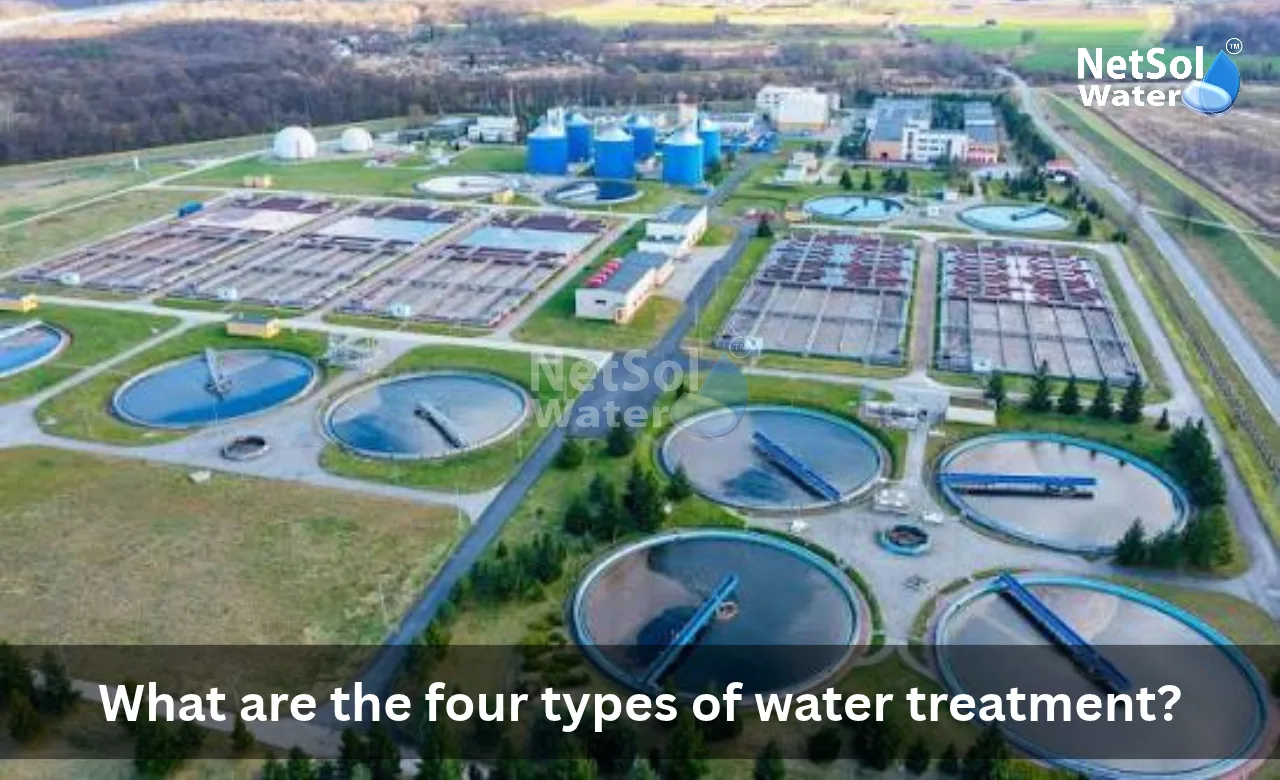
What are the four types of water treatment?
Clean water supports every home, every industry, and every community. People use water for drinking, cooking, cleaning, farming, and manufacturing every day. Natural water contains dust, sand, harmful germs, chemicals, and many other unwanted materials. These impurities make water unsafe for different purposes. A proper treatment process removes these unwanted substances and improves water quality before people use it.
A water treatment plant manufacturer plays an important part in making plants that make water clean and safe. Every treatment plant follows different methods because every water source has different quality. Some industries need very pure water, while cities need safe drinking water for thousands of people. A good treatment plant helps meet these different needs with better efficiency and consistent performance.
We are the leading water treatment plant manufacturer that provides advanced solutions for different industries and commercial sectors. Understanding the four types of water treatment helps people choose the right process for better water quality and long-term benefits.
Physical Water Treatment
Physical water treatment forms the first step in many treatment plants. It removes large particles and visible impurities before advanced treatment begins. This process protects the next stages and improves the overall performance of the complete system. Let us have a look at some important physical water treatment methods.
1. Screening
Screening removes large waste materials from raw water. Metal screens stop leaves, plastic, sticks, paper, and other large objects from entering the treatment system. This simple process protects pumps, pipes, and other equipment from damage. It also reduces maintenance and improves the life of the complete plant. Many treatment plants install different sizes of screens because each screen removes a specific size of waste. Proper screening creates a cleaner water flow for the next treatment stage.
2. Sedimentation
Sedimentation is a process in which heavy particles settle at the bottom of a large tank. In nature, sand and other heavy materials tend to flow downwards due to gravity. The settled particles settle to the bottom, and the clean water flows to the next process. This technique is a simple technique for suspended solids reductions. Sedimentation also aids in the effectiveness of subsequent treatment processes, as there are fewer impurities in the water.
3. Filtration
Fine particles that don’t settle out are being filtered out. Water filters through sand, gravel, or other filter media. These materials will catch dirt and small suspended particles. There are also a number of plants that use pressure filters for better performance. The improved water clarity from cleaning the filter allows for water to be further filtered. This process also contributes to the reduction of the load on chemical and biological treatment methods.
Chemical Water Treatment
Chemical water treatment will enhance water quality by removing dissolved impurities and harmful microorganisms. It is also used to balance the water chemistry for the safe use of water in industries and housing. The uses of different chemicals vary with water quality. Let’s check out some of the most important chemical treatment processes.
1. Coagulation and Flocculation
Addition of special chemicals, like alum, to water initiates the coagulation process. These chemicals draw in small particles that are imperceptible to settling forces. During flocculation, these small particles join together and form larger masses called flocs. During the sedimentation process, these flocs get heavier and “fall out.” This process will eliminate fine dirt, organic matter, and some harmful microorganisms.
2. Disinfection
Disinfection destroys bacteria, viruses, and other disease-causing microorganisms. Chlorine, ozone, or ultraviolet (UV) light is commonly used at treatment plants for this purpose. Chlorine is still one of the most frequently used methods, as it continues to provide protection during distribution. Ozone is fast-acting and doesn’t leave a bad taste; ultraviolet light kills microorganisms without adding chemicals. Selection will be based on water quality and plant needs. Safe disinfection safeguards public health and supplies clean water for daily use.
3. pH Adjustment
High or low pH levels in water can lead to damage of pipes and equipment. Water quality adjustments at treatment plants are made using appropriate balancing chemicals. Proper pH also improves the performance of other treatment processes. Balanced water will minimise corrosion and scaling within pipelines. It also helps to meet safe drinking water standards and enhances industrial uses where water quality is a critical component.
Biological Water Treatment
The biological process is used to remove dissolved organic material by the action of natural microorganisms. This is a widely used method in wastewater treatment, as the water is cleaned with low chemical consumption. Organisms process wastes and turn them into simpler materials. Let’s take a look at some important biological treatment methods.
1. Activated Sludge Process
The activated sludge process is based on the beneficial microorganisms residing within the aeration tanks. These microorganisms assist in the growth of air that enters the tank. They eat organic wastes and lower pollution of wastewater. Clean water continues to flow to be treated again, while the treated bacteria remain in a separate tank. Large quantities of wastewater are treated in this process without any problems. This is frequently used in many municipal and industrial treatment plants because the treatment is consistent.
2. Biofilm Treatment
In the process of biofilm treatment, microorganisms are allowed to grow on special surfaces. The microorganisms break down organic pollutants as it flows over the surfaces. In the attached growth system, the system is stable and also works well in varying water conditions. A biofloc treatment system may be less space-intensive than some traditional treatment systems. It also helps to lower maintenance expenses and boost efficiency in a number of industrial processes.
3. Anaerobic Treatment
The anaerobic treatment does not require oxygen. During the process, special microorganisms decompose the organic waste and generate biogas. This is an effective process for many industries, as it avoids waste and generates valuable energy. Aerobic systems are particularly effective with wastewaters that have high organic content. They also help to minimize sludge production, thus lowering the cost of sludge disposal and creating better environmental management.
Advanced Water Treatment
Advanced water treatment generates very high-quality water for other industrial processes, such as healthcare laboratories, and for other special applications. These technologies are able to remove very small contaminants that traditional technologies are not able to remove. Industries are often required to have these more advanced systems for improved productivity and product quality in modern industries. Let’s take a peek at some more advanced treatment technologies.
1. Reverse Osmosis
Reverse osmosis will reject dissolved salts, heavy metals, chemicals, and many undesirable contaminants. Water is forced through a special membrane while the contaminants are left behind. Very pure water is produced in the process for use in industrial production, pharmaceutical manufacturing, food processing, and drinking water applications. Reverse osmosis technology also lowers the TDS and enhances water quality. This method is preferred due to the consistent purification that it offers and the reliable performance of the process.
2. Ion Exchange
The ion exchange process is used to get rid of undesirable minerals and replace them with non-harmful ions. Water flows through a special resin that traps calcium, magnesium, and other minerals that are dissolved in the water. This process helps in softening of water and helps to avoid scale formation inside the pipelines, boilers, and other industrial equipment. The use of soft water increases the efficiency of equipment and decreases maintenance expenses. There are several industries where the control of mineral content of process water is a requirement and in which ion exchange plays a role.
3. Membrane Filtration
Very fine membranes are employed in membrane filtration to separate out microscopic impurities from water. Bacteria, viruses, suspended solids, and other contaminants are removed by different sizes of membranes. Each one of the three technologies (ultrafiltration, nanofiltration, and microfiltration) is suited for different treatment goals. These systems are capable of producing water of a good quality with a lower chemical treatment. Many modern plants use membrane filtration in combination with reverse osmosis for maximum purification.
Read some interesting information for the Commercial RO Plant Manufacturer in Faridabad
Conclusion
A healthy environment and industries depend on clean water. All treatment methods have a different function, and all will produce water of a different quality. All of the physical, chemical, biological, and advanced treatment processes have an important role to play in the production of safe and reliable water. The selection of the appropriate treatment system is based on water quality, the daily demand, and application requirements.
Netsol Water is the best water treatment plant manufacturer for commercial, industrial, and municipal projects that provides reliable and efficient water treatment solutions. Call today and speak with the experts about your water treatment needs, and you’ll get the solution you need for your business.
Contact Netsol Water at:
Phone: +91-9650608473
Email: enquiry@netsolwater.com