
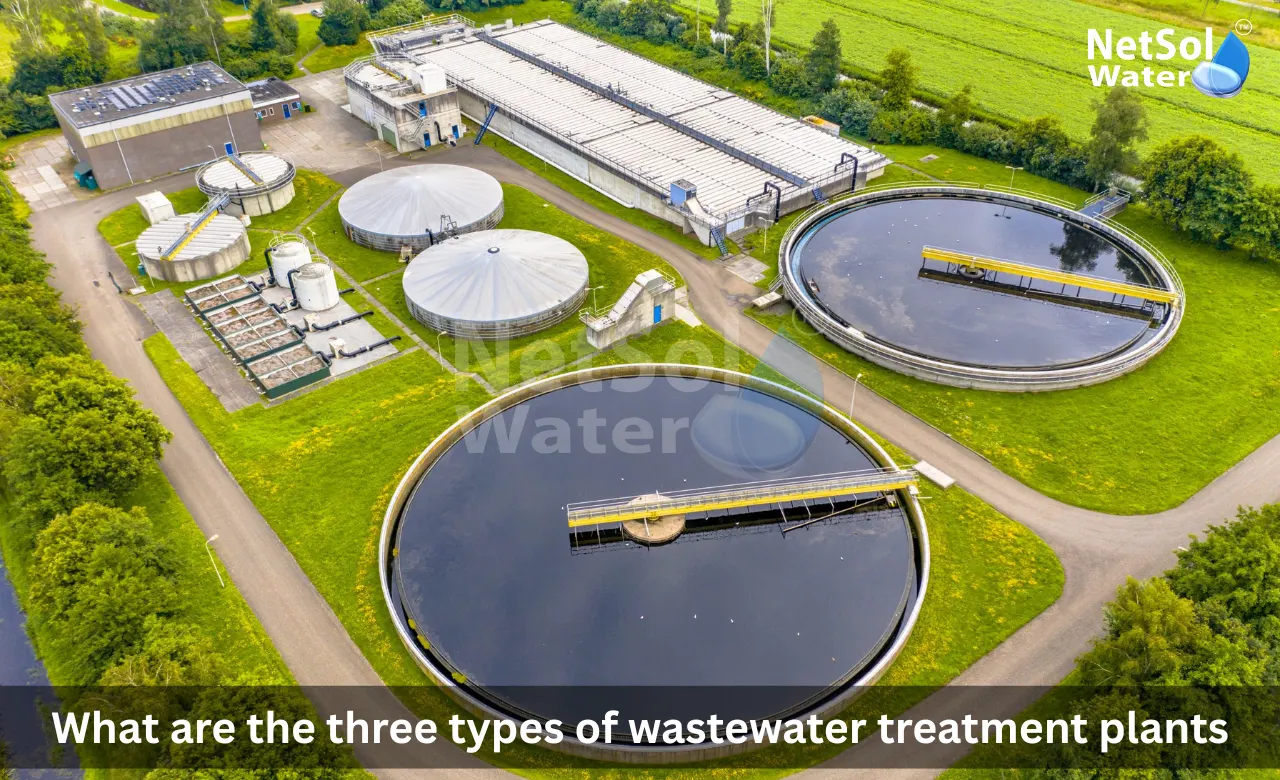
What Are the Three Types of Wastewater Treatment Plants?
Wastewater treatment plants play a major role in keeping water safe for people and the environment. Every home, factory, and commercial area creates used water. This water carries dirt, oil, chemicals, waste, and harmful germs. Without proper treatment, it can damage rivers, lakes, soil, and even public health. That is why strong treatment systems matter in every growing city and industrial area.
We are the leading name in this field and support businesses and communities with practical water treatment solutions. In places like Noida, which is known for rapid industrial and urban growth, clean water systems are especially important. As more people and industries grow together, the need for safe water handling also rises. Wastewater treatment plants help manage this need in a simple and effective way. They clean used water in stages and make it fit for safe release or reuse.
Sewage Treatment Plants
Sewage treatment plants are one of the most important forms of wastewater treatment plants because they handle water from homes, offices, hotels, schools, and other daily use places. This water mostly contains soap, food waste, human waste, and other organic matter. Since this wastewater comes from regular human activity, it needs a system that can remove solids, germs, and smell before the water goes back into the environment. Let us have a look at some important parts of how this type works.
1. Primary Treatment in STPs
Primary treatment begins the cleaning process. In this stage, the plant removes large solids and heavy waste from sewage. Screens and settling tanks help trap these materials before they move further in the system. This step lowers the load on the next stages and prepares the water for deeper cleaning. It also helps the plant run in a smoother way because too much solid waste can block the system.
2. Biological Treatment in STPs
After primary cleaning, the water enters the biological stage. Here, natural microbes break down the organic waste in the water. This process is very useful because it removes the waste that cannot be taken out by simple screening. Aeration tanks often support this step by adding oxygen, which helps the microbes work better. In this stage, the water becomes much cleaner and safer for further treatment or discharge. Sewage Treatment Plants support healthy living because they stop dirty water from harming open land and water bodies. They also help cities manage waste in a responsible way.
Effluent Treatment Plants
Effluent treatment plants are designed for industrial wastewater. This is one of the most important wastewater treatment plants because factory water often carries oils, acids, dyes, metals, and other strong pollutants. Industrial waste is different from domestic sewage because it changes based on the type of work the industry performs. A food unit, chemical plant, textile mill, or paper factory all produce different kinds of waste. That is why ETPs need careful design and strong treatment steps. Let us have a look at some key parts of this plant.
1. Physical and Chemical Treatment in ETPs
The first part of treatment often includes physical and chemical cleaning. Physical treatment removes suspended solids and heavy particles from the water. Chemical treatment then uses special materials to change or bind harmful substances. This stage helps remove colour, odour, and toxic elements that can harm the environment. It is a very important part of the process because industrial waste often has strong pollution levels that simple cleaning cannot handle.
2. Biological and Advanced Treatment in ETPs
After the early stages, some effluent still needs deeper cleaning. Biological treatment helps break down organic waste when the wastewater contains biodegradable matter. Some industries also need advanced treatment methods such as filtration, membrane systems, or sludge handling. These steps help the plant reach discharge limits and protect nearby water sources. ETPs matter because they help industries control pollution and follow environmental rules. They also support reuse in some cases, which reduces fresh water demand. Among wastewater treatment plants, this type is especially useful for businesses that want to work in a safe and responsible way.
Common Effluent Treatment Plants
Common effluent treatment plants serve a group of industries together. This makes them different from single factory systems. Many industrial areas have small and medium units that produce similar wastewater but may not have space or budget for a separate plant. CETPs solve this issue by collecting waste from many sources and treating it in one shared facility. This is one of the most practical wastewater treatment plants for industrial clusters. Let us have a look at some important features of this shared model.
1. Shared Treatment for Industrial Clusters
A CETP works well when several units are located in one zone. Instead of each factory building its own plant, they send wastewater to one central system. This reduces cost and saves land. It also gives small industries access to proper treatment without placing a heavy burden on each unit. The shared model works best when the waste from the connected industries is similar enough to treat in one system.
2. Treatment Stages in CETPs
CETPs use a mix of physical, chemical, and biological methods to clean wastewater. The plant first removes solids and unwanted particles. Then, chemical treatment helps control harmful materials. After that, biological stages handle organic waste and improve water quality. In some cases, the system also includes advanced polishing steps before the water is released or reused. This setup helps industrial areas manage pollution in a more organized way. It also supports long-term growth because clean operation becomes easier for all connected units. Wastewater treatment plants like CETPs show how shared systems can bring both savings and safety.
Read some interesting information for the Industrial RO Plant Manufacturer in Delhi
Conclusion
Wastewater treatment plants support clean living, safe industry, and better water management. STPs handle domestic sewage, ETPs treat industrial waste, and CETPs serve groups of industries through shared systems. Each one has its own role and each one helps reduce pollution in a direct way. When the right plant is chosen, the whole treatment process becomes more effective and easier to manage.
Netsol Water is the leading partner for businesses and communities that need dependable water treatment support. If you need help with the right wastewater treatment plants for your project or facility, get in touch today for more information or a consultation.
Contact Netsol Water at:
Phone: +91-9650608473
Email: enquiry@netsolwater.com