
Effluent Treatment Plant Manufacturer in Nepal
Effluent Treatment Plant Manufacturer in Nepal
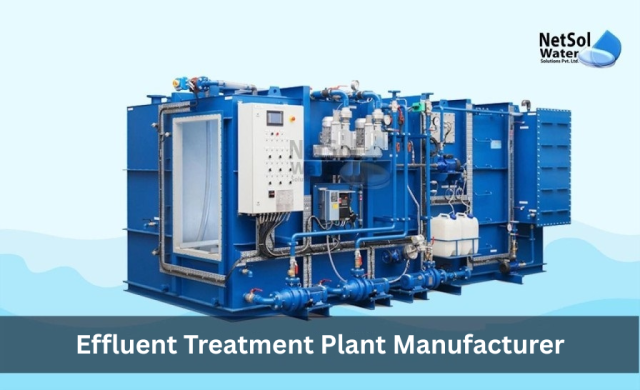
Many factories in Nepal must manage wastewater and handle waste in a safe way. Cities such as Kathmandu and Biratnagar face pressure from industrial discharge that harms rivers and land. Firms must treat effluent to follow the law and to protect water used by people and farms. Good effluent treatment plants also help companies save water and cut operating costs. We are a leading effluent treatment plant manufacturer in Nepal, supplying customized ETP solutions for a wide range of industries.
Importance of Effluent Treatment for Nepal
Treating industrial wastewater matters for health and for the environment. Untreated effluent can pollute rivers and soil and harm crops. It can also affect the water people use for daily life. Businesses must act to prevent harm and to avoid fines. A strong effluent system protects the public and keeps industry running safely. Let us have a look at some key reasons for a sound effluent approach.
- Protecting Water Bodies and Communities
Clean rivers support farms and people who live nearby. When factories treat effluent, they lower pollution levels, and they reduce health risks. This change helps fish and wildlife to survive and helps farmers who depend on river water. Many communities draw water from nearby streams for cooking and washing. A reliable effluent plant keeps that water safer. Netsol Water makes plants that reduce chemical content and organic waste. This makes rivers carry less harmful material. Netsol Water works with clients to pick simple solutions that last. The company focuses on designs that fit the local site and that local teams can operate. This way, communities gain long-term benefit, and factories meet their social responsibilities.
- Reducing Cost and Improving Resource Use
A well-planned effluent treatment plant can cut operating costs over time. Treated water can return to the plant for reuse, or it can serve irrigation needs. This step lowers fresh water demand. It also reduces the cost of buying water and paying for waste disposal. A durable system needs fewer repairs, and it causes less unplanned downtime. Netsol Water selects robust parts and emphasizes easy upkeep. This choice reduces maintenance cost and keeps factories running. Firms that reuse treated water can also show customers that they act responsibly.
Types of Effluent Treatment Plants and Technology
Each industry produces different waste, and each site needs a specific plan. Choosing the right system depends on the nature of the effluent and on reuse goals. Let us have a look at some plant types and the technology.
- Biological Treatment Systems and Their Use
Biological systems remove organic matter by using microbes. These systems suit food processing units and pharmaceutical plants that produce organic load. They cut measures such as biological oxygen demand and chemical oxygen demand. Aerobic reactors supply air to bacteria so they break down waste. Anaerobic systems work without air, and they can produce biogas that plants can use. Both kinds reduce organic load effectively when operators follow the right routine. Netsol Water tests the wastewater and then picks the proper biological setup. Netsol Water also fits a pretreatment stage when needed. Pre-treatment removes oils and big solids that can harm biological units. That step makes the whole plant more stable and easier for staff to manage.
- Physical and Chemical Processes for Tougher Waste
Some effluent contains heavy metals, dyes, or other hard-to-break molecules. These wastes need physical and chemical steps to reach safe levels. Processes such as coagulation and flocculation help remove fine particles. Filters and membrane units polish the water further. Advanced oxidation can break complex molecules into simpler forms that microbes can digest. Many industrial sites need a mix of physical steps and chemical steps to reach discharge standards. Netsol Water combines these methods to meet the client goal. The choice depends on the law and on whether the plant wants to reuse the treated water. Netsol Water also advises on safe disposal and handling of sludge and residues to protect workers and the local neighborhood.
Design, Installation, and Maintenance of Effluent Plants
A good design meets present needs, and it allows future changes. Proper installation keeps the timeline short, and it reduces extra cost. Long-term maintenance keeps the plant working well. Let us have a look at the key steps in design and at what maintenance staff must do.
- Steps in Design and Installation
Design begins with tests and with a site survey. Engineers measure the wastewater and note how the flow changes over time. They then choose a treatment train and the right capacity for each unit. Proper piping and clear access for staff make operation safer and faster. During installation, trained teams follow the plan, and they keep safety standards high. Netsol Water focuses on strong structures and on correct placement of pumps and tanks. The company also sets up control panels that staff can use without complex training. After installation, Netsol Water runs performance tests to confirm the plant meets agreed targets.
- Routine Checks and Preventive Care
Regular care keeps the plant stable, and it prevents a sudden breakdown. Operators should inspect pumps, valves, and sensors on a set schedule. They must clean screens and filters to avoid clogging. They must remove sludge from tanks when solids build up. Netsol Water offers service plans that include scheduled visits and spare parts supply. The company also trains local staff to spot early signs of trouble. Simple logs help track performance, and they show when to repair or to replace a part. This approach lowers repair costs, and it extends the life of the plant. Regular care also ensures that the treated water stays within legal limits and that reuse remains safe.
Regulations, Standards, and Local Considerations in Nepal
Firms must follow local law on discharge and pollution control. Rules may vary, and authorities may update limits from time to time. A proper plant will meet regulations, and it will make permits easier to obtain. Let us have a look at how to meet rules and at local factors that affect plant choice.
- Meeting Discharge Standards and Permits
Nepal sets limits for pollutants and for discharge flow. Industries must get permits, and they must send regular test reports. A well-designed effluent plant helps a company meet these standards. Netsol Water sizes the plant to meet law and to match permit needs. The company assists clients with paperwork and with testing routines. This help lowers the chance of fines or forced shutdowns. Clear records and logs also help during inspections. Netsol Water can provide monitoring devices that log results over time. This data makes it easier to prove compliance and to show steady performance.
- Local Site and Climate Factors
Nepal has varied climate zones and a wide range of site conditions. Urban sites may have very limited space. Rural locations may face power outages and access problems. Monsoon rains can change flow patterns and can add load during some months. Netsol Water custom designs solutions for local conditions. The company may add storage tanks or design energy-saving measures to fit the power supply. Netsol Water also suggests reuse options when water scarcity affects nearby communities.
Conclusion
Choosing an Effluent Treatment Plant Manufacturer in Nepal changes how a company manages water and waste. Netsol Water acts as a leading Effluent Treatment Plant Manufacturer in Nepal, and it offers reliable design and service packages. A well-planned effluent plant protects people, and it supports steady business growth. Netsol Water can guide clients from testing to commissioning and through long-term service. Contact Netsol Water for a consultation or for a site visit. Reach out to get a detailed plan and a clear quote.
Contact Netsol Water at:
Phone: +91-9650608473
Email: enquiry@netsolwater.com
Best Quality Sewage Treatment Plant
When you are going to buy or thinking about buying ETP Plant, the very first question came to your mind is where and how to best wastewater treatment plant, Who is the best Manufacturer of ETP Plant, Commercial RO Plant. For this problem, we suggest Netsol Water Solutions, one of the best companies in India with its corporate office in Greater Noida the best Sewage Treatment Plant Manufacturer in Delhi, Noida, India.