
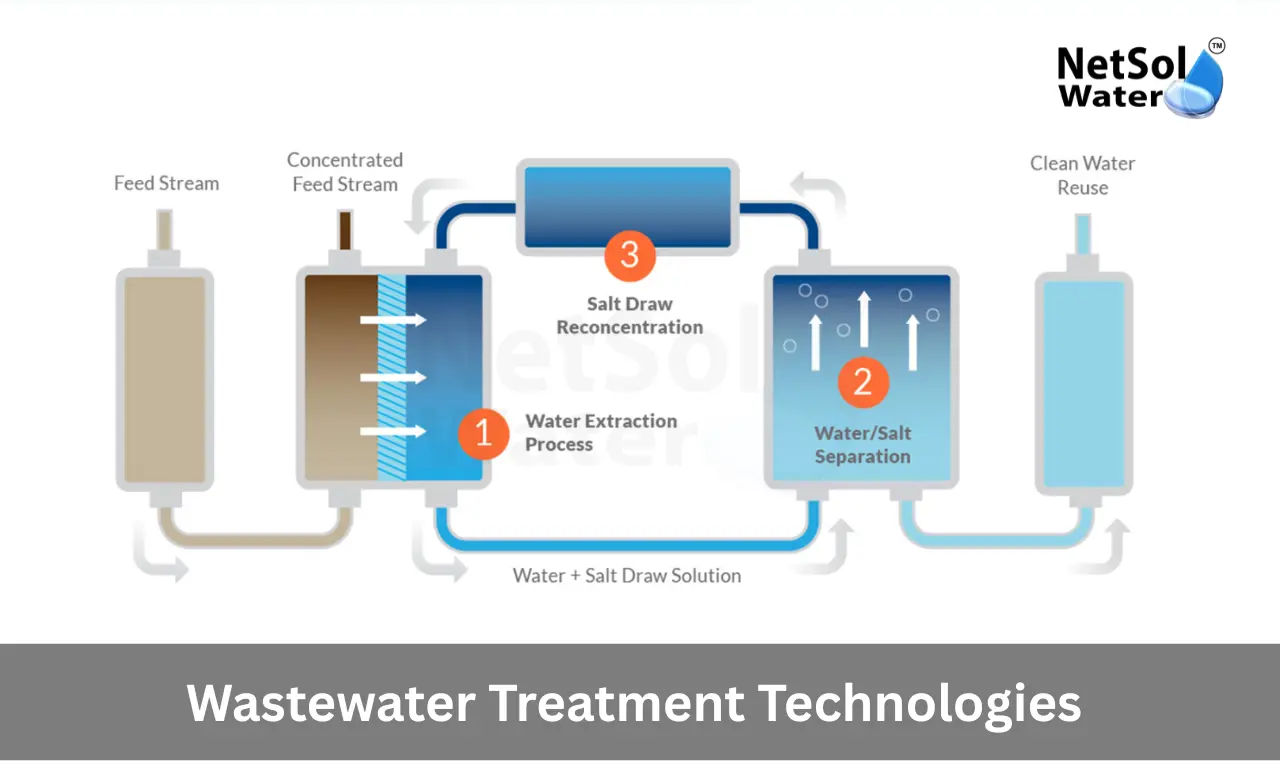
Wastewater Treatment Technologies
Wastewater treatment affects the health of cities and the environment. India depends on rivers and groundwater water and many urban areas face pressure from growing populations and industries. Good treatment keeps water safe and supports farming jobs and city life. As we are a leading wastewater treatment Manufacturer, the company works with local projects and large plants to deliver solutions across cities and towns. Let’s discuss wastewater treatment technologies in more depth.
- Primary and Secondary Treatment Technologies
Primary and secondary treatment remove most solids and organic matter before water returns to nature. This stage matters because it sets the limits for any further cleaning, and it keeps downstream systems from clogging or failing. Primary steps use simple physical actions and they cost less to run. Secondary steps use microbes and they break down organic pollution. Let us have a look at some common primary and secondary options and explain how engineers choose between them.
Primary Treatment
Primary treatment uses screens and settling tanks to remove grit and floating matter. Large solids move out with simple barriers and tanks slow the flow so heavier particles sink. This stage reduces the load on later processes and it keeps pumps and filters working longer. Primary units also let operators collect sludges for separate handling. Plants that serve industries may add specific traps to capture oils or heavy particles. A well designed primary system lowers the need for energy in the next steps and reduces chemical use.
2. Secondary Treatment
Secondary treatment relies on bacteria and other microbes to digest remaining organic materials. Common systems include activated sludge and trickling filters. In the activated sludge process, engineers aerate tanks to let microbes grow so they eat the organic load and form sludge that settles out. Trickling filters pass water over a medium that hosts microbial films, which remove organics as water flows through. Secondary treatment produces a cleaner effluent and makes it safer for discharge into rivers or for reuse in limited ways. Operators monitor oxygen levels and sludge age, and they adjust flows so microbes stay healthy and efficient. This step plays a large role in meeting discharge rules and protecting downstream users.
3. Tertiary and Advanced Technologies and Decentralized Solutions
Tertiary and advanced steps add polishing and remove nutrients and microscopic contaminants. This stage matters when regulations require low levels of nitrogen, phosphorus, or when water will serve sensitive uses. Decentralized solutions matter for small towns and remote areas because they spread costs and avoid long sewers. Let us have a look at some tertiary and advanced methods and at how decentralized systems work in practice.
Tertiary Treatment and Advanced Processes
Tertiary treatment of wastewater treatment technologies removes nutrients and pathogens, and it targets small particles and dissolved chemicals. Technologies include sand filters, membranes, and chemical dosing, and also disinfection by chlorine or ultraviolet light. Membrane processes such as ultrafiltration or RO provide high-quality water, but they need careful maintenance and energy input. Chemical methods help remove specific pollutants, and they can be tuned to local conditions. Advanced biological systems also remove nitrogen and phosphorus through controlled aeration and cycling steps. Decision makers balance cost and goal when they choose these options, and they often mix technologies so they meet reuse needs while keeping running costs acceptable.
4. Decentralized Solutions
Decentralized treatment brings systems close to where people live and work. These solutions use modular units and compact designs so towns and housing complexes can treat water locally and reuse it for landscaping or flushing. Decentralized systems reduce the need for large sewers and they allow phased expansion. They also let operators manage flows more easily and they cut losses from long conveyance. For rural areas small package plants and constructed wetlands provide practical ways to treat sewage and return water safely to fields or rivers. Local authorities and community groups often run these systems and they offer a low cost path to meet policy goals when cities grow fast.
Read some interesting information for Sewage Treatment Plant Manufacturer in Faridabad
Conclusion
Wastewater treatment matters for public health and for the economy. Practical knowledge of technologies helps candidates and practitioners suggest policy and design choices that fit local needs. Netsol Water is the leading wastewater treatment Manufacturer, and the company can provide project advice and plant solutions for towns and industries. If you want more information or a consultation from India’s leading STP manufacturer, please contact Netsol Water to discuss your project and to plan a system that meets local rules.
Contact Netsol Water at:
Phone: +91-9650608473
Email: enquiry@netsolwater.com