
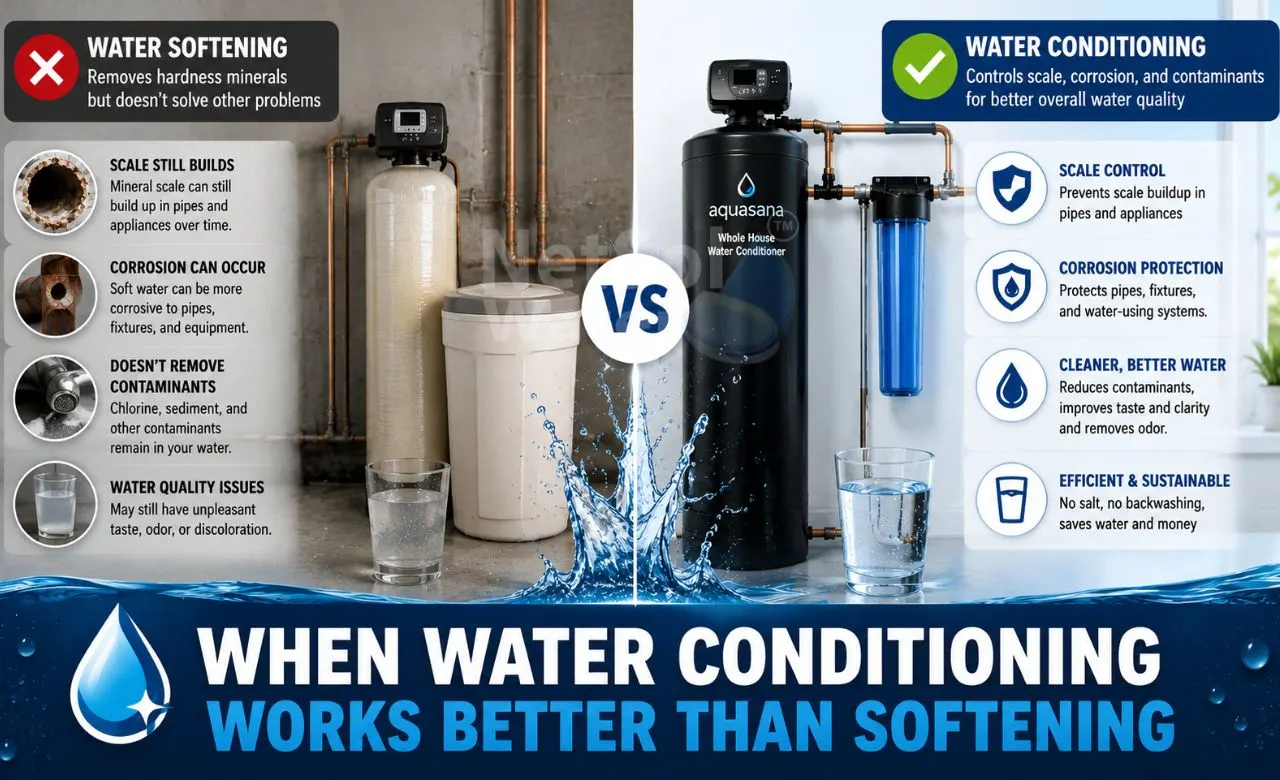
When Water Conditioning Works Better Than Softening
Water affects daily life in many ways. It changes how plants work. It affects product quality. It also shapes how much care a plant needs over time. In many places, hard water creates scale and cleaning issues. People often think softening is the only answer. That is not always true. In several cases, Water Conditioning gives a better result because it protects the plant while keeping the water closer to its natural form.
In many regions where groundwater carries high mineral content, the real need is not only to remove hardness. The real need is to control damage and improve flow. That is where Water Conditioning becomes useful. We are the leading name in water treatment solutions and helps users choose the right method for each need. When the goal is smart control rather than full mineral removal, then conditioning can offer a more practical path.
Why Water Conditioning Can Be a Better Choice
Softening removes calcium and magnesium. It does this by replacing them with sodium. That works well in many cases. Still, it is not the best answer for every system. Some users do not need full soft water. They need scale control. They need stable performance. They need lower maintenance. In such cases, Water Conditioning can fit better because it changes how minerals behave instead of stripping them out completely.
1. It Protects Equipment Without Changing Water Too Much
Many machines do not fail because water is hard alone. They fail because scale builds up on hot surfaces and inside pipes. Conditioning helps control that buildup. It keeps minerals from sticking in a harmful way. This supports boilers. It supports chillers. It also supports process lines where flow must stay steady. The system keeps working well and the user does not need to deal with the side effects that often come with full softening.
This also helps where water taste or feel matters. Some homes and business sites do not want water that feels too flat. They want clean water that still feels natural. Conditioning can meet that need. It gives control without making the water change too much. That balance makes it practical for many users.
2. It Works Well When Hardness Is Not the Main Problem
Some water sources carry minerals but do not create major scale. In those cases, a softener may be more than what is needed. A water softener adds cost and brings salt use. It also needs regular upkeep. A conditioning system may solve the real issue at lower effort. If the aim is to reduce corrosion or improve deposit control, then Water Conditioning often makes more sense.
This becomes even more useful in places where water quality changes from season to season. A single strong softening setup may not suit every phase. Conditioning offers a more flexible response. It can support a wider range of system needs and still keep the process simple. That is why many operators review their water first before choosing a treatment path.
Where Water Conditioning Delivers Strong Results
Water treatment works best when it matches the site. A treatment that fits one place may not suit another. That is why users should look at the system needs before making a choice. Water Conditioning often performs well where water must support equipment and product quality at the same time.
1. Industrial Systems Need Control More Than Total Removal
Factories often use water in heating, cooling, and washing tasks. In these areas, the goal is not always to remove every mineral. The goal is to protect equipment and keep production steady. Conditioning can help with that. It can reduce scale risk. It can limit deposit formation. It can also support smoother flow through lines and valves.
This makes maintenance easier. Workers spend less time on cleaning and repairs. Machines run with fewer breaks. That can improve output and lower waste. In many industrial sites, this practical gain matters more than using a full softening system. The water remains usable and the system stays stable. That is why many plant teams now compare both options before they invest.
2. Commercial Buildings Need Simple and Dependable Solutions
Hotels, hospitals, schools, and office buildings also face hard water issues. They may see marks on fixtures. They may see scale in heaters. They may deal with frequent cleaning. In these places, the water treatment system should stay simple and dependable. A full softener can help. Yet it may also add salt use and service needs. A conditioning setup can solve many of the same problems with less effort.
This becomes helpful where the water use pattern changes through the day. A building may not need heavy treatment all the time. It may need protection and consistent flow. Conditioning gives that support. It helps the building run well without making the water overly processed. That is a strong reason many managers prefer it in selected sites.
How Water Conditioning Supports Long-Term Performance
A good water system should not only solve today’s issue. It should also support the system over time. That is one of the main strengths of Water Conditioning. It helps reduce stress on pipes and equipment. It supports long service life. It also lowers the chance of sudden breakdowns caused by scale or deposit buildup.
1. It Lowers Maintenance Pressure
When scale builds up, the system needs more cleaning. It may need more chemical use too. That increases cost and time. Conditioning helps reduce this problem by keeping minerals from settling in the wrong places. This means fewer shutdowns and fewer service calls. It also means workers can focus on productive tasks instead of repeated repair work.
This benefit matters in both small and large systems. Even a small drop in maintenance can save a lot over time. It can also improve trust in the treatment setup. People like systems that work in a steady way. They do not want surprise failures. Conditioning supports that kind of stability.
2. It Can Fit Better With Modern Process Needs
Many systems today use more than one treatment step. They may use filtration. They may use RO. They may use UV. In such setups, the role of each stage should stay clear. A conditioner can support the next stage by reducing scale risk and helping the system run smoothly. This is useful in plants where water must pass through several points before use.
It also helps where the final water quality needs to stay balanced. Sometimes, full softening may remove more than needed. That can create a different issue. Conditioning avoids that problem in many cases. It gives treatment where it is needed and keeps the process more efficient. That is why it fits well with modern water planning.
Read some interesting information for the Sewage Treatment Plant Manufacturer in Gurgaon
Conclusion
The right water treatment should solve the real problem and not create a new one. In many cases, Water Conditioning gives that balance. It can protect equipment. It can reduce scale. It can lower maintenance. It can also keep water closer to its natural form. That makes it a strong choice for many homes, buildings, and industrial sites.
Netsol Water helps users choose practical and effective water treatment solutions based on actual need. If you need better control over water quality and want a solution that fits your system well, then get in touch for more information or request a consultation on Water Conditioning today.
Contact Netsol Water at:
Phone: +91-9650608473
Email: enquiry@netsolwater.com