STP Plants Manufacturer - Sewage Treatment Plant Manufacturers

How-many-types-of-sewage-are-there.webp

March 17, 2026by Netsol Water

How Many Types of Sewage Are There?

Sewage affects every town and city and it shapes how people plan water services. We will explain the main types of sewage and why engineers and planners must treat each type with care. We are the leading sewage treatment plant manufacturer, and it offers plants that match each sewage type. Knowing the kinds of sewage helps local authorities and companies choose the right plant and reduce environmental harm.

Domestic Sewage (Sanitary Sewage)

Domestic sewage comes from homes, schools, and small businesses. It carries organic matter and household chemicals. This type of sewage forms the core of what many sewage treatment plant manufacturers designs must handle. Treating domestic sewage protects public health and keeps rivers and lakes safe.

Domestic sewage splits into two clear sub-categories. One sub-part covers water from sinks, showers, and laundry. The other sub-part covers toilet wastes and items flushed down the toilet. Each of these needs a focused approach in the plant design. Systems that work well for one sub-part may need changes to treat the other.

1. Greywater

Greywater comes from sinks, showers, bathtubs, and washing machines. This water contains soap, oils, hair, food scraps, and non-human bodily wastes. Greywater has lower pathogen levels than toilet waste so designers can use simpler treatment steps for many cases. Many households reuse treated greywater to wash floors or to water gardens. A Sewage Treatment Plant Manufacturer must ensure that filters and biological steps remove grease and suspended solids. Next, the plant must reduce organic load so reuse does not harm soil or plants. Greywater systems often include screens, sedimentation tanks, and biofilters. These parts keep solids from clogging pumps and drains. Proper design also keeps odours low and maintenance simple.

2. Blackwater

Blackwater contains toilet wastes that include faeces, urine, and toilet paper. This stream carries more pathogens and more organic load than greywater. Treatment for blackwater aims to remove pathogens and to lower nutrient and organic content before discharge or reuse. A Sewage Treatment Plant Manufacturer uses stronger biological processes and sometimes disinfection to meet health rules. Primary settling tanks remove heavy solids. Secondary biological reactors break down dissolved organics. Final steps focus on disinfection and sludge handling. Sludge must then be treated or handled in safe ways. Blackwater treatment must meet strict limits so public health stays protected. Plant design will include safe access for sludge removal and clear steps to prevent exposure.

Industrial Sewage

Industrial sewage comes from factories and production units and it varies with the industry. Some factories release mainly organic waste that machines and ovens produce. Other plants discharge strong chemicals, heavy metals, or oily wastes. Let us have a look at some common features.

Industrial sewage may contain high suspended solids and high chemical oxygen demand. It may also include toxic compounds that harm simple biological systems. Before sending this water to a municipal plant, many industries apply on-site pretreatment. Pretreatment may remove heavy solids, settle oil, and adjust pH. Some factories use advanced chemical steps to remove heavy metals. Biological reactors then handle the remaining organics when safe. A Sewage Treatment Plant Manufacturer may design equalization tanks to balance flow and load. Equalization helps the biological system to run steadily and safely. In many cases, the plant will include skid-mounted chemical dosing units and clarifiers. For highly toxic streams, the manufacturer will add advanced oxidation or membrane steps. These units reduce hazardous materials to safe levels or prepare them for recovery. The design must also include safe handling of the concentrated residues. Proper monitoring and controls help keep the system within discharge rules and protect worker safety.

Stormwater Sewage (Stormwater Runoff)

Stormwater starts as rain or melting snow and flows over roofs, roads, and pavements. This water does not begin as sewage. It changes into polluted runoff as it picks up oil, road dust, pesticides, and litter. Stormwater can then carry large loads of solids and pollutants into drains and rivers. Cities must plan for heavy pulses of stormwater and for its seasonal patterns. Let us have a look at handling and control methods.

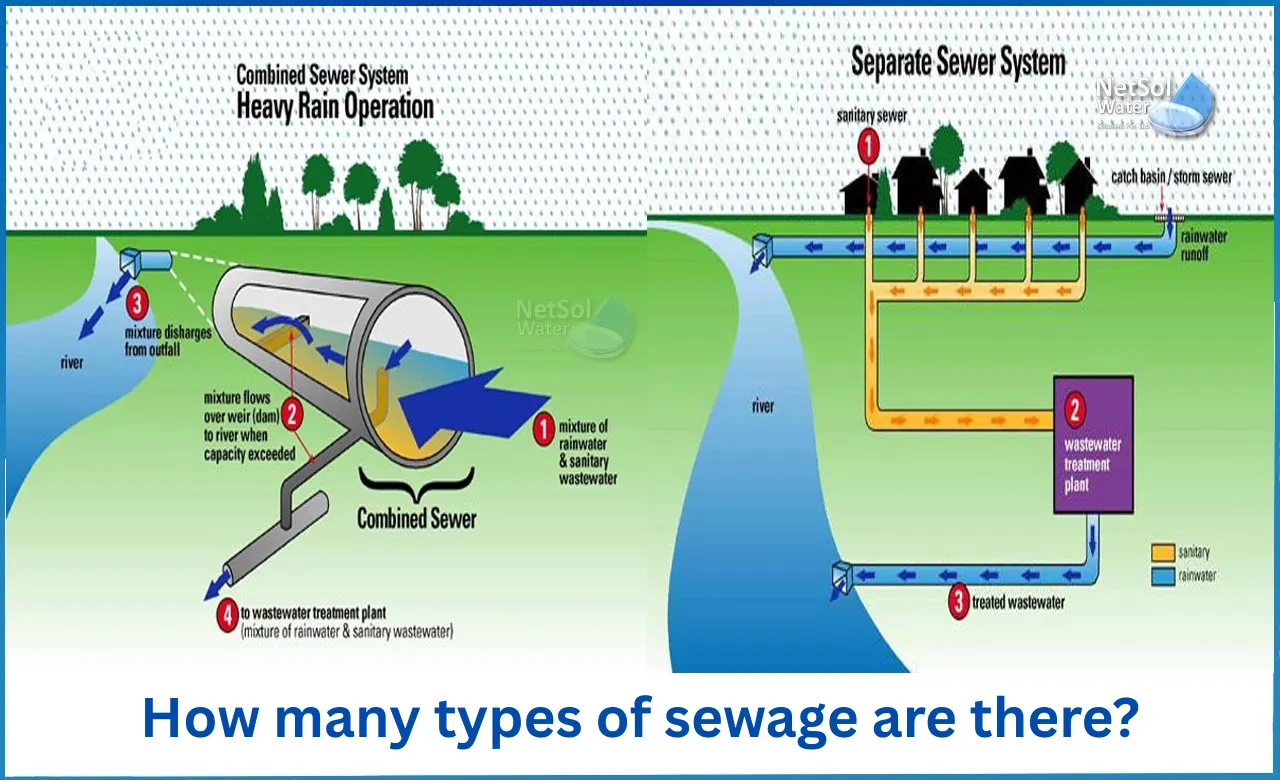
When rain runs off impervious surfaces, it may overwhelm pipes and pumps. A Sewage Treatment Plant Manufacturer may offer stormwater management units that slow runoff and remove solids. These units include basins, filters, swales, and retention ponds. They store water and let sediments settle. They also allow plants to take up some pollutants. For combined sewer systems, the stormwater flows into the same pipes as domestic sewage. That can create overflow events that push untreated sewage into rivers. In that case, cities need combined sewer overflow controls or separate systems to reduce risk. For separate systems, stormwater still needs treatment before it reaches sensitive areas. Designers will use sediment traps, screens, and simple biofilters to cut pollution. The aim is to protect water bodies and to lower the load that reaches the main treatment plant.

Management Systems for Sewage

Cities and towns use different sewer systems to carry sewage to the treatment plant. The choice affects plant design and costs. A sewage treatment plant manufacturer must know which sewer network the client uses.

The separate system uses two pipe networks. One set carries sanitary and industrial sewage. The other set carries stormwater. This design limits how much stormwater reaches the treatment plant. It lowers the risk of overflow during heavy rain. A manufacturer can then size the plant for regular flows. For combined systems, one network carries both sewage and stormwater together. This choice reduces the pipe network but increases peak flows to the plant. Plants in this setup need storage or overflow controls to prevent untreated discharge. The partially separate option mixes some runoff with sanitary sewage while other runoff stays separate. Each approach requires different inlet works, screening, and equalization measures in the plant.

Read some interesting information for theĀ Effluent Treatment Plant Manufacturer in Noida

Conclusion

Knowing the types of sewage helps planners choose the right technology and operation method. Sewage Treatment Plant Manufacturer expertise ensures that each waste stream gets proper handling and that the final discharge meets environmental rules. Netsol Water offers personalized plants to treat domestic, industrial, and stormwater streams and to match local sewer networks. Contact Netsol Water for a site review and a consultation on the best plant for your needs. Request a consultation to secure safe treatment and long-term performance.

Contact Netsol Water at:

Phone: +91-9650608473

Email: enquiry@netsolwater.com

What-is-UASB-technology-for-sewage-treatment-in-India.webp

March 7, 2026by Netsol Water

What is UASB Technology for Sewage Treatment in India?

Upflow Anaerobic Sludge Blanket, or UASB, plays a large role in how cities treat sewage in India. This method came into view in the late 1980s as part of the Ganga action work and it moved into use under the Yamuna Action Plan. Many municipal projects in northern states adopted this method because it needs less power and it can reduce organic load at low cost. We stand as a leading sewage treatment plant manufacturer in India, and it supports projects that use UASB along with follow-up polishing steps.

History and Regional Adoption

UASB gained fast use in India after small test plants showed good results. Let us have a look at some reasons that shaped its spread in the country. India took early steps in river cleaning under the Ganga plan, and later it made UASB a core option for the Yamuna Action Plan. These programs pushed many municipalities to choose UASB because the method lowers organic load with low power needs. Many northern districts embraced the method, and states like Uttar Pradesh and Haryana installed multiple reactors. India now holds a very large share of UASB reactors worldwide. The high share reflects a local choice for low-capital-cost systems that can treat large flows of domestic wastewater. Engineers in India learned how to size these reactors for mixed sewage and how to add polishing steps afterward. The learning curve also made maintenance plans better over time. These learning steps helped many small towns and large cities to manage sewage with lower energy use and with onsite biogas recovery.

1. Why Regions Chose UASB

Planners preferred UASB for its low construction cost and low day-to-day power need. Many local bodies faced limits on capital budgets and on electricity supply. UASB offered a clear route to cut organic load and to produce biogas at the same time. The biogas gave a side benefit for energy use at plants. This fit well for towns that wanted low-running-cost systems. The method also fits warm climates where anaerobic activity performs well. These facts helped UASB to spread across the plains and river basins where sewage volumes rose quickly.

2. Working Principle

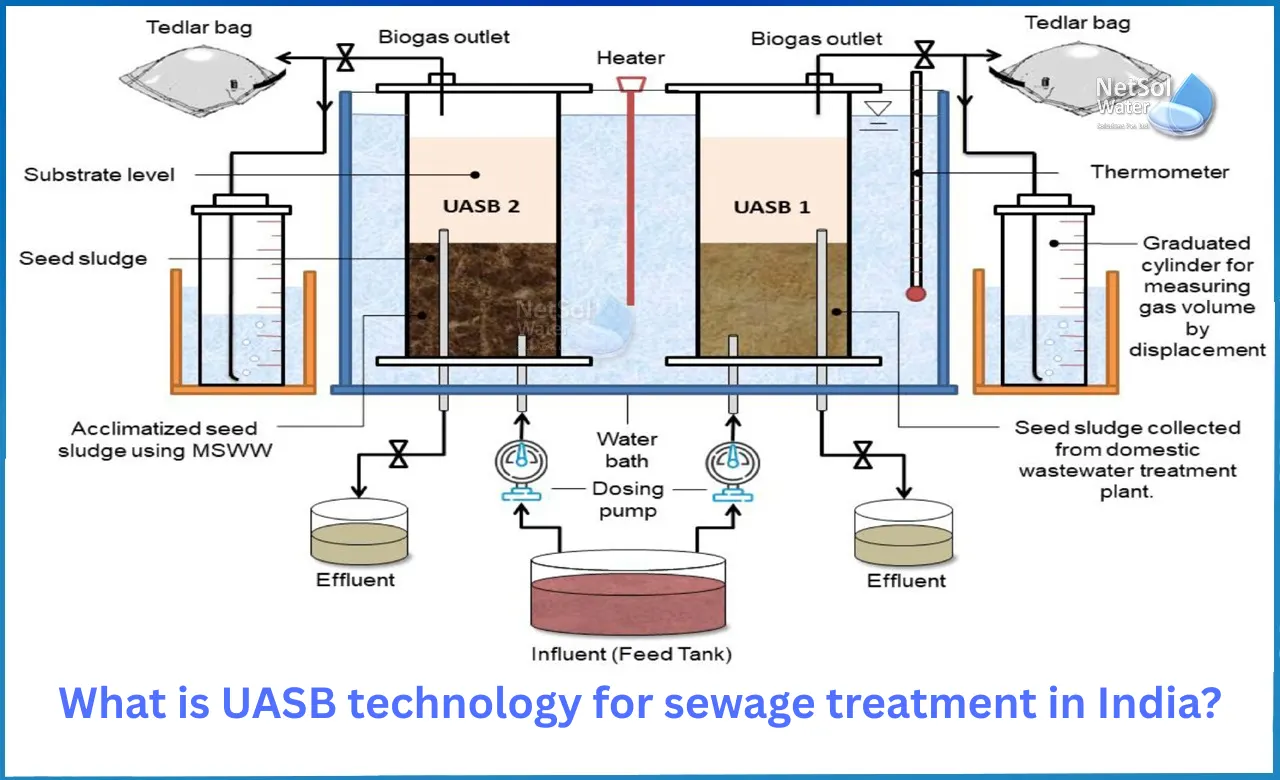
First we set the scene, and then we have a look at the key parts of the process. Sewage flows up from the bottom into a reactor that holds a dense blanket of granulated sludge. The granular sludge contains many anaerobic microbes that feed on organic matter. The microbes break down organics and they form biogas made of methane and carbon dioxide. The gas lifts solids and creates a natural separation layer near the top. The plant then sends the cleaner liquid to a polishing step. Engineers design the reactor so that the sludge remains in place while the sewage flows up through it. This flow pattern gives a high contact time and good organic removal. The reactor also uses simple outlet devices to collect biogas and to keep solids from leaving.

3. Granular Sludge and Gas Production

Granule formation starts when microbes attach and grow on particles and on each other. Over time, these colonies form dense granules that settle well. The granules let the reactor keep more biomass in a small volume. Biogas forms as microbes digest organics and it provides a useful energy stream. Most Indian plants collect and burn this gas in engines or flares. The gas helps to offset plant energy use when engines run well and when gas cleaning works. Engineers watch for high hydrogen sulphide and for other impurities that can harm engines. Good gas cleaning and correct engine choice keep the energy benefit real.

Key Features of UASB in the Indian Context

UASB wins strong use because it offers cost-efficient treatment for large volumes of domestic sewage. India uses UASB widely and roughly eighty percent of global UASB reactors for domestic wastewater sit in the country. This scale gives local experience and local supply chains that help new projects start fast. The method keeps capital costs lower than many aerobic systems and it cuts the electricity bill because it does not need large blowers. UASB also produces biogas that plants can use to run small generators. These facts make it an attractive choice for municipal planners who face tight budgets and high flow needs.

1. Cost and Energy Benefits

The capital spending for a UASB plant sits at roughly one third of what an aerobic activated sludge plant needs. The day-to-day power use also stays low since the reactor runs without forced aeration. The biogas that reactors make can give a useful energy stream. When projects invest in gas cleaning and in proper engines, they can generate power that lowers the plant operating bill. However, the net energy outcome depends on how well the gas and the engine are handled. Indian plants learned to tune engine choices and to plan maintenance to keep the gain real.

2. Limitations and Post-Treatment

UASB works well for organic removal but it does not handle nitrogen and pathogens to modern discharge limits. This subtopic sets that key limit and then lists the common follow-up units that India uses to meet standards. Many projects use UASB as a first step and then send the effluent to polishing units that raise quality. Simple ponds can remove solids and lower pathogens with detention time. Newer options like down-flow hanging sponge, or DHS, give strong aerobic polishing with low energy need. Engineers also pair UASB with moving bed biofilm reactors or with sequencing batch reactors to get good nitrogen removal and stable effluent quality. The choice of a polishing unit depends on space, cost, and on the final discharge target. Many Indian plants now use a combination of two steps to meet tight norms and to protect river health.

3. Common Polishing Steps in India

Final polishing ponds give a cheap route to further settle solids and to lower pathogens. DHS provides a compact aerobic step that improves organic and pathogen removal with little power need. MBBR and SBR give better control for nitrogen and for variable flow. Many projects place a sand filter or a cloth filter after the polishing unit to remove remaining suspended solids. Engineers design these trains to hit the discharge norms and to keep operation simple for municipal staff.

Role of Netsol Water

Manufacturers shape how well UASB plants perform in the field. Let us have a look at the role they play and at why a strong local supplier matters. A good manufacturer offers design help and after-sale service that keeps reactors running. Netsol Water leads as a sewage treatment plant manufacturer in India and it supports clients with UASB design and with the right polishing steps. Local manufacturers also supply spare parts and train plant staff. This local support lowers downtime and helps plants to reach the intended energy and quality targets.

Conclusion

UASB gives a low-cost route to cut organic load and to make biogas in many Indian settings. Cities and towns need a full treatment train to meet modern discharge standards. For help with design and with integrated solutions, call a trusted Sewage Treatment Plant Manufacturer in India. Netsol Water offers project advice and plant delivery that fits municipal needs. Contact the team to get a consultation and to review how UASB can fit your project.

Contact Netsol Water at:

Phone: +91-9650608473

Email: enquiry@netsolwater.com