
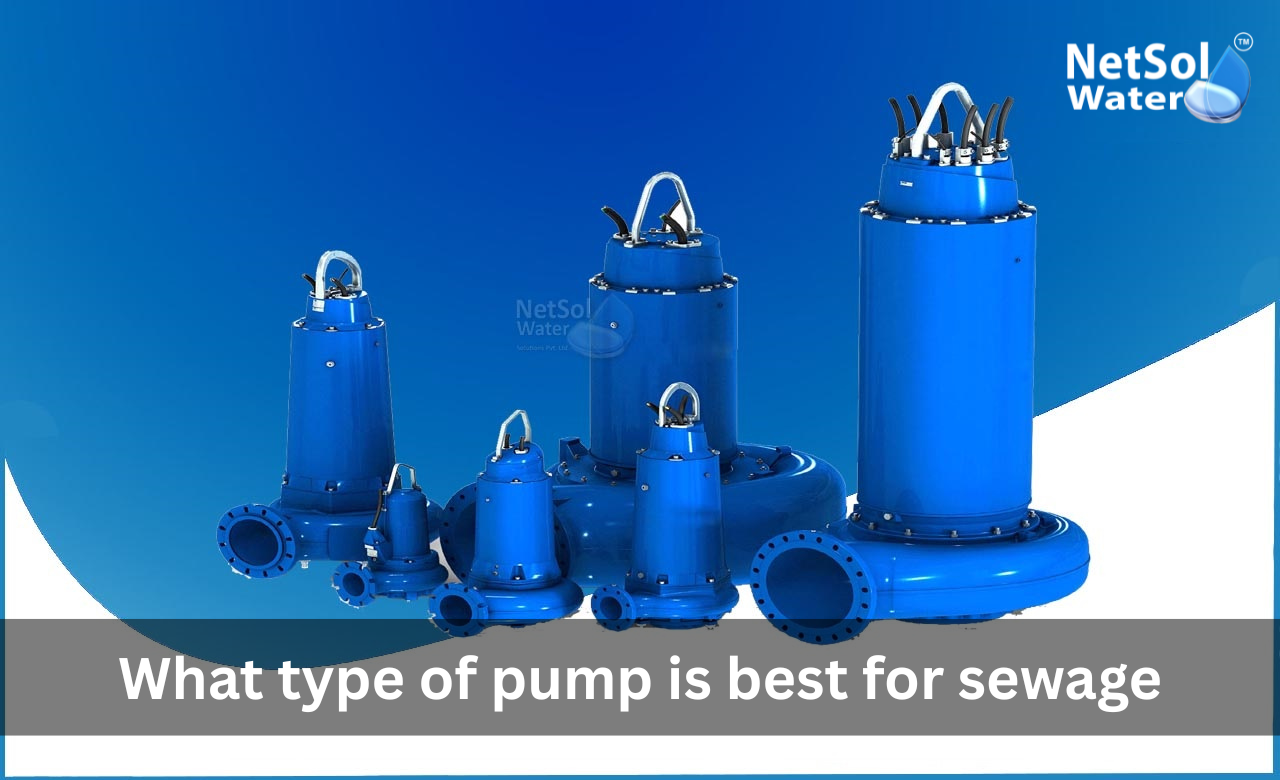
What Type of Pump is Best for Sewage?
Sewage systems carry dirty water from homes, buildings, and public spaces. They move water that may contain waste, grease, and solid matter. This makes the pump choice very important because the wrong pump can block often and fail early. A good pump keeps the flow steady and helps the whole system work without trouble. It also saves time, money, and repair effort in the long run.
Many people only think about the pump when a problem starts. That usually happens when a toilet backs up or when water stays in a tank for too long. The better approach is to choose the right pump from the start. A manufacturer can guide buyers to a pump that fits the site and the waste load. We are the leading sewage treatment plant manufacturer, and it helps users choose systems that work well in homes, industries, and commercial spaces.
Why Pump Choice Matters in Sewage Systems
Pump choice matters because sewage is not clean water. It carries solids, soft waste, and sometimes fibrous material that can jam weak pumps. A pump must handle this load and still move the water safely. If the pump does not match the sewage level, then it can clog often and create bad smell, overflow, and damage.
This is why the first step is to understand the need of the site. A home with a small septic line needs a different pump from a large plant or a tall building. The flow rate also matters. So does the size of solid matter in the wastewater. Let us have a look at some pump types that are used for sewage and see what makes them useful in real use.
1. Submersible Sewage Pump
A submersible sewage pump works while it stays inside the liquid. It sits below the water level and pushes waste upward with strong force. This pump type is one of the most common choices for sewage because it handles dirty water well and works in deep pits or tanks.
The main strength of this pump is its ability to move waste without losing suction. Since it stays in the sewage, it does not need to pull water from outside the tank. That makes it efficient and stable. It also runs quietly compared with many other pump types.
A submersible sewage pump can also handle solids better than many simple water pumps. Many models include wide passages that let waste move through without frequent blockage. This helps reduce downtime and gives better service life. A manufacturer often recommends this type when the site needs reliable and simple pumping in a compact space.
2. Grinder Pump
A grinder pump plays a very different role. It does not only move sewage. It also cuts solid waste into smaller pieces before sending it forward. This makes it useful where the sewage line is long or where the waste must travel uphill to reach the main line.
This pump helps in places where normal gravity flow does not work well. If a house or building sits below the main sewer line, then a grinder pump becomes a strong option. It breaks solids into a fine slurry so the pipe can carry the waste more easily. That lowers the risk of blockage in narrow pipes.
This type of pump needs careful use because it works hard to cut waste. It is often chosen for smaller flow systems where grinding gives a clear benefit. A manufacturer may suggest it when the project needs pressure flow and better control over waste movement. It is not always the first choice for huge treatment plants, but it can be the right choice for many buildings and remote sites.
3. Centrifugal Sewage Pump
A centrifugal sewage pump moves water by using a rotating impeller. It creates force that pushes the sewage through the outlet. This pump type is widely used in treatment plants and in larger drainage systems because it handles high flow with good speed.
The main advantage of this pump is its simple working style. It can move large volumes of sewage in a steady way. It also suits systems that need continuous operation. When the waste load is not too heavy and the solids are manageable, this pump performs very well.
This pump becomes even more useful in larger plants where the flow changes through the day. It supports treatment stages and helps keep water moving from one unit to another. A skilled Sewage Treatment Plant Manufacturer often includes centrifugal models in larger designs because they fit many industrial and municipal needs. They work best when the waste load is planned and the system has proper screening before the pump stage.
4. Diaphragm Pump
A diaphragm pump uses a flexible membrane to move liquid. It is not the first pump that comes to mind for sewage but it can help in special cases. It works well with thick sludge and heavy waste where other pumps may struggle.
This type of pump is useful when the fluid is very dense or when the system needs controlled flow. It can handle abrasive material and can work in tough conditions. That makes it useful in parts of sewage treatment where sludge transfer matters more than quick flow.
It does not replace every other sewage pump. Still, it adds value in treatment plants that need dependable sludge movement. A sewage treatment plant manufacturer may use this pump for specific stages inside the plant. That choice depends on the type of waste and the process design. When the task involves thick material, the diaphragm pump can be a smart choice.
How to Choose the Best Pump for Sewage
Choosing the best pump is not about picking the strongest model only. It is about matching the pump to the waste flow, site size, and treatment need. This is where expert advice becomes useful. Let us have a look at some key points that guide the right choice.
A small house may only need a submersible sewage pump or a grinder pump. A commercial building may need stronger flow support and better solid handling. A large plant may need centrifugal pumps for bulk transfer and other pumps for sludge stages. So the best pump changes with the project.
The size of solids also matters. If the sewage has larger waste pieces, then the pump must pass or cut them safely. If the waste is thick, then the pump must handle density without losing output. If the line is long, then pressure becomes important. In all these cases, a good sewage treatment plant manufacturer studies the site before suggesting a pump. That prevents future problems and improves plant life.
Why Expert Support Makes a Big Difference
Expert support helps because sewage systems need more than one machine. They need proper design, correct sizing, and good maintenance planning. A pump may look suitable on paper but still fail if it does not fit the full system. That is why plant design and pump design must work together.
A trusted manufacturer studies the water load, the tank size, the pipe path, and the treatment stages. This helps in choosing a pump that works well from day one. It also helps in reducing energy use and repair issues. Netsol Water is the leading sewage treatment plant manufacturer, and it supports buyers with practical solutions that match real site needs.
When users get the right guidance, they save money over time. They also reduce shutdown risk and avoid frequent cleaning. This makes the whole sewage system more stable and easier to manage. In the long run, the right pump keeps the treatment process smooth and safe.
Read some interesting information for the Industrial RO Plant Manufacturer in Delhi
Conclusion
The best pump for sewage depends on the system need and the waste type. A submersible sewage pump works well for many homes and buildings. A grinder pump suits pressure lines and sites with uphill flow. A centrifugal pump fits larger systems with higher flow. A diaphragm pump helps where thick sludge needs careful movement. Each one has a clear role and the right choice depends on the full site condition.
A reliable manufacturer can make this choice much easier. Netsol Water is the leading Sewage Treatment Plant Manufacturer and it offers support for pump selection, system design, and plant planning. Reach out today to learn more or request a consultation for your sewage project.
Contact Netsol Water at:
Phone: +91-9650608473
Email: enquiry@netsolwater.com