
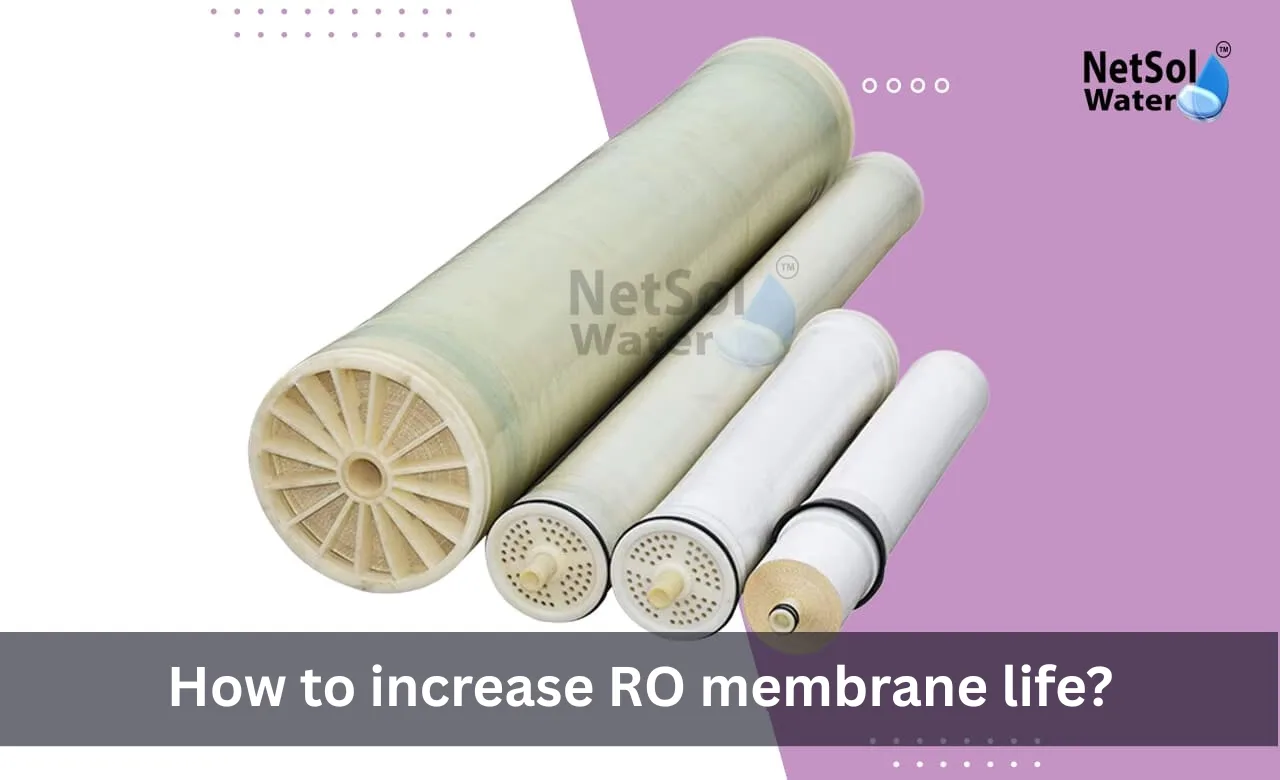
How to Increase RO Membrane Life?
A reverse osmosis plant works best when its membrane stays clean and healthy. This part of the plant does the main job of removing salts and unwanted particles from water. That is why membrane care matters so much in every industrial setup. When a membrane stays protected, it gives better flow and better water quality for a longer time. It also helps the system run with lower repair cost and fewer shutdowns.
We are the leading RO Plant Manufacturer and understands how important membrane protection is for smooth plant performance. Many users focus only on water output but forget that membrane life decides the long-term value of the system. A well-cared-for membrane can last for years.
1. Robust Pretreatment
Pretreatment is the first and most important shield for the membrane. If feed water carries dirt, chlorine, hardness, or fine suspended solids, then the membrane faces stress every day. Over time, this leads to scaling, fouling, and early damage. When a plant uses strong pretreatment, it reduces pressure on the membrane and helps the full RO plant work more efficiently. Let us have a look at some of the main pretreatment methods that keep the membrane safe.
A. Sediment Filters
Sediment filters protect the membrane from sand, rust, and large particles. These particles may look harmless at first but they can block flow and cause uneven loading on the membrane surface. When this happens, the system needs more pressure to push water through. That extra pressure shortens membrane life.
Regular replacement of sediment filters keeps the feed water cleaner and helps the membrane breathe better. In many plants, a change every 6 to 12 months works well. However, the exact timing depends on water quality and usage. A clean sediment filter also helps other treatment stages work better because it stops heavy dirt before it spreads through the system.
B. Carbon Filters
Carbon filters play a key role when the feed water contains chlorine. Chlorine can damage polyamide membranes and this damage often cannot be repaired. Even a small amount of leftover chlorine can weaken the membrane surface over time.
Carbon filters remove chlorine before the water enters the RO unit. They also reduce some odour and organic impurities. That makes them a valuable part of pretreatment. In most systems, they need annual replacement. Still, the best practice is to check their condition often so that the membrane never receives chlorinated water. A strong carbon filter stage saves the plant from costly membrane replacement.
C. Water Softeners and UF Stage
Hardness is another major problem for membrane health. Calcium and magnesium can form scale on the membrane surface. This scale reduces flow and raises operating pressure. A water softener helps remove hardness before it becomes a problem. In some cases, antiscalant dosing also works well. It prevents minerals from forming hard layers inside the system.
When the feed water has high turbidity or biological load, then an ultrafiltration stage adds even more protection. UF removes fine colloids and bacteria before the RO stage. That can reduce cleaning need and keep the membrane in better shape for a longer time. Good pretreatment always pays back through better membrane life and steadier output.
2. Regular Cleaning and Flushing
Cleaning keeps the membrane active and efficient. Even when pretreatment works well, some fouling still builds up with time. Salts, organics, and biological matter can settle on the membrane surface and reduce performance. If the plant operators ignore this buildup, then the fouling becomes harder to remove.
Regular cleaning and flushing stop that problem early. This is why many experienced operators treat cleaning as a routine habit rather than a rescue step. Let us have a look at some cleaning methods that protect membrane life.
A. Automatic Flushing
Automatic flushing removes concentrated salts and loose debris from the membrane surface. It usually runs after shutdown or at set intervals. This simple step helps prevent deposits from staying on the membrane for too long. When the system stops and water sits inside the lines, the salts become more concentrated. That increases the chance of fouling.
A flush with permeate water clears the surface and keeps the membrane fresh for the next cycle. Plants that use regular flushing often see better flow stability and lower cleaning demand. It also helps the system restart more smoothly after a break.
B. Chemical Cleaning or CIP
Chemical cleaning becomes necessary when performance starts to drop. A common sign is a 10 to 15 percent fall in water production or a clear rise in pressure. At that stage, a Clean-in-Place process can restore much of the lost performance. Acidic cleaning removes scale and metal deposits.
Alkaline cleaning removes organic matter, biological growth, and clay. The plant should use the right chemical and follow the correct order because wrong cleaning can harm the membrane. Timely CIP stops early fouling from turning into permanent damage. It also helps the operator understand the actual health of the membrane before the problem becomes severe. Regular cleaning works best when the team acts early and does not wait too long.
3. Optimized Operation
Operating the RO plant in the right way is just as important as pretreatment and cleaning. A membrane may still fail early if the system runs with unstable pressure, wrong temperature, or poor monitoring. Good operation protects the membrane from mechanical stress and chemical stress. It also keeps water quality steady and lowers energy use.
Netsol Water, as a trusted Industrial RO Plant Manufacturer, always recommends careful monitoring because a stable system often gives a longer membrane life. Let us have a look at some operation practices that support this goal.
A. Stable Pressure and Soft Start
Sudden pressure spikes can damage membrane elements and other system parts. This problem often appears during startup when the pump sends a sudden surge of water through the lines. To avoid this issue, the plant should use a soft-start pump or a variable frequency drive. These tools help pressure rise slowly and smoothly. That reduces shock on the membrane and lowers the chance of physical damage.
Stable pressure also improves system control. When pressure stays steady, the membrane performs more predictably and the operator can respond faster to changes. A calm start and stop cycle may seem small but it makes a big difference in membrane life.
B. Monitor TDS and Water Quality
Regular TDS checks help the operator notice membrane decline early. A handheld TDS meter gives quick readings and helps compare feed and permeate water. If permeate TDS rises above normal limits, then the membrane may have lost rejection power. This may happen due to fouling, damage, or natural aging.
Weekly checks can reveal these changes before the problem becomes severe. In a healthy system, the operator should also watch pressure and flow together because one number alone does not tell the full story. Good monitoring helps the team take action at the right time and avoid larger losses later.
C. Temperature Control
Temperature also affects membrane life and system output. Feed water that is too cold reduces flow and makes the system work harder. Water that is too hot can harm membrane material and reduce rejection.
Most plants perform best when the feed water stays in a moderate range around 25°C to 30°C. This keeps the membrane safe and helps the plant deliver more stable results. In practical terms, the operator should track seasonal changes and adjust the system as needed. A stable operating temperature protects both performance and membrane structure.
4. System Storage
System storage often gets less attention than cleaning or pretreatment, but it still matters a lot. When the plant stays idle for a long time, the water inside the membrane can become a place for microbial growth. That can cause odour, fouling, and damage to the membrane surface. Proper storage protects the system during shutdown and helps it start again in a healthy condition. Let us have a look at why this step matters and how it helps.
A. Short Idle Periods
If the system stops only for a short time, then simple flushing may be enough. The team should remove stagnant water and keep the membrane from sitting in dirty liquid. This helps reduce salt buildup and biological growth. Short shutdown care is useful for regular maintenance breaks or planned pauses. It keeps the membrane in better condition and makes restart easier. Even a brief idle period can create risk if the water inside the system is left unchanged.
B. Long Idle Periods
When the plant will remain idle for more than 24 to 48 hours, then preservation becomes necessary. In such cases, the membrane should be flushed and stored with a manufacturer-approved solution such as sodium bisulfite. This solution helps slow microbial growth and keeps the membrane safe during downtime. Proper storage reduces the chance of foul smell, slime, and surface damage. It also protects the system from hidden losses that may appear only after restart. Good shutdown practice is one more step that extends membrane life and supports smooth plant operation.
Read some interesting information for the Industrial RO Plant Manufacturer in Noida
Conclusion
RO membrane life depends on daily care and disciplined operation. Strong pretreatment, regular cleaning, stable operation, and proper storage all work together to protect the membrane from early damage. When these steps stay part of routine plant practice, the system gives better output and lower running cost. This also helps businesses get more value from their water treatment investment.
Netsol Water, as an experienced Industrial RO Plant Manufacturer, supports industries with practical RO solutions that improve performance and protect long-term system health. If you want better membrane life and smoother plant operation, then connect with us for more information or request a consultation today.
Contact Netsol Water at:
Phone: +91-9650608473
Email: enquiry@netsolwater.com