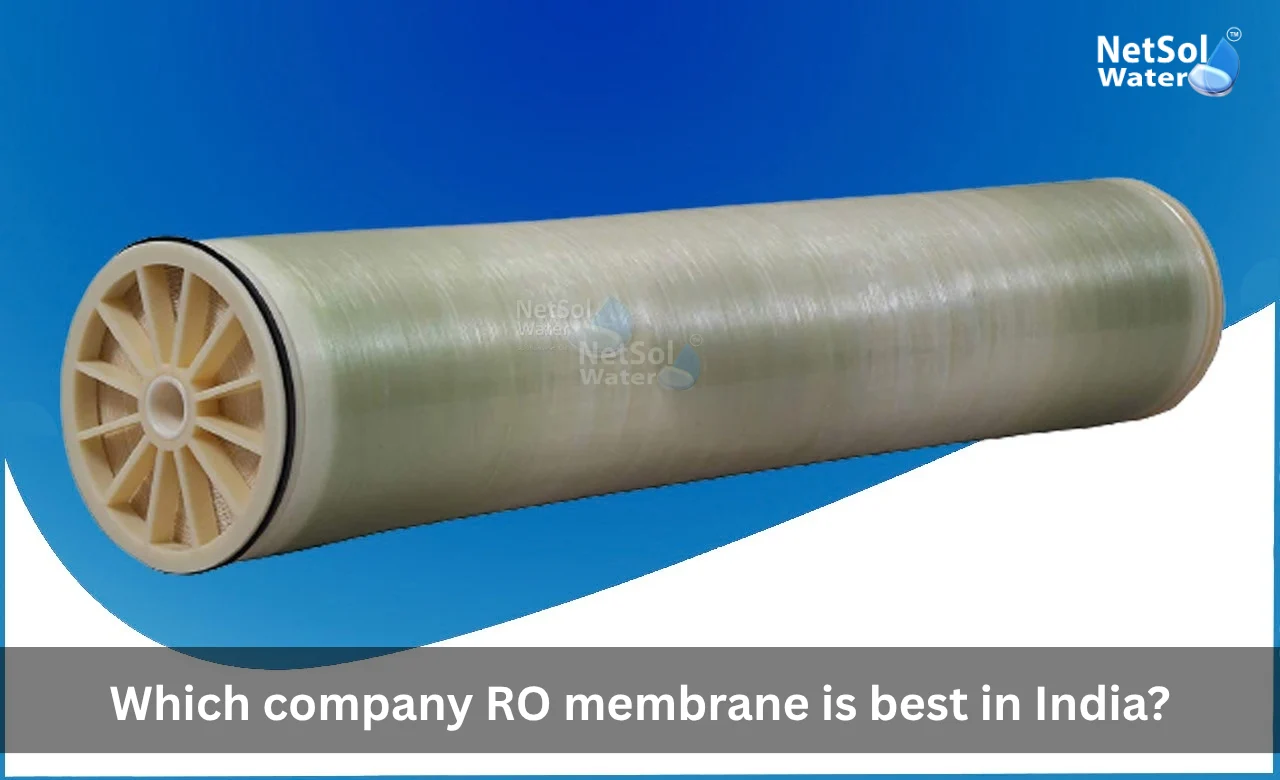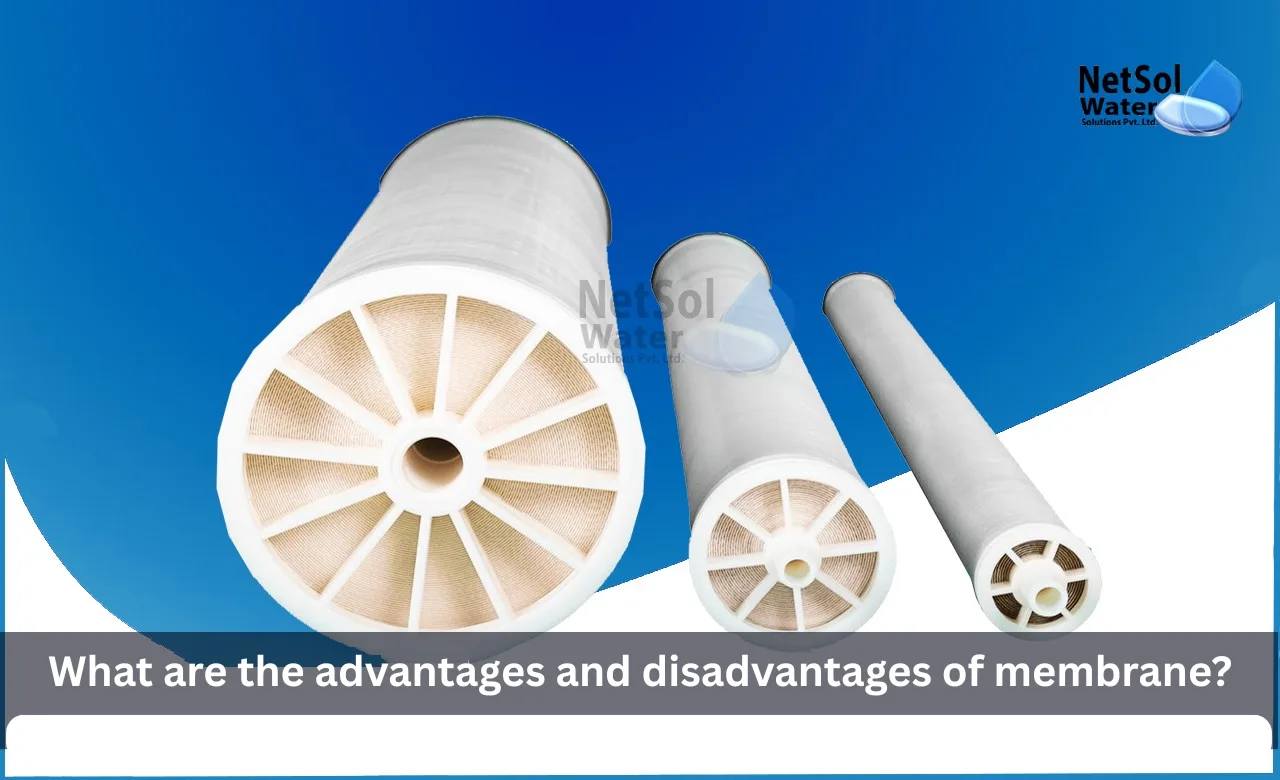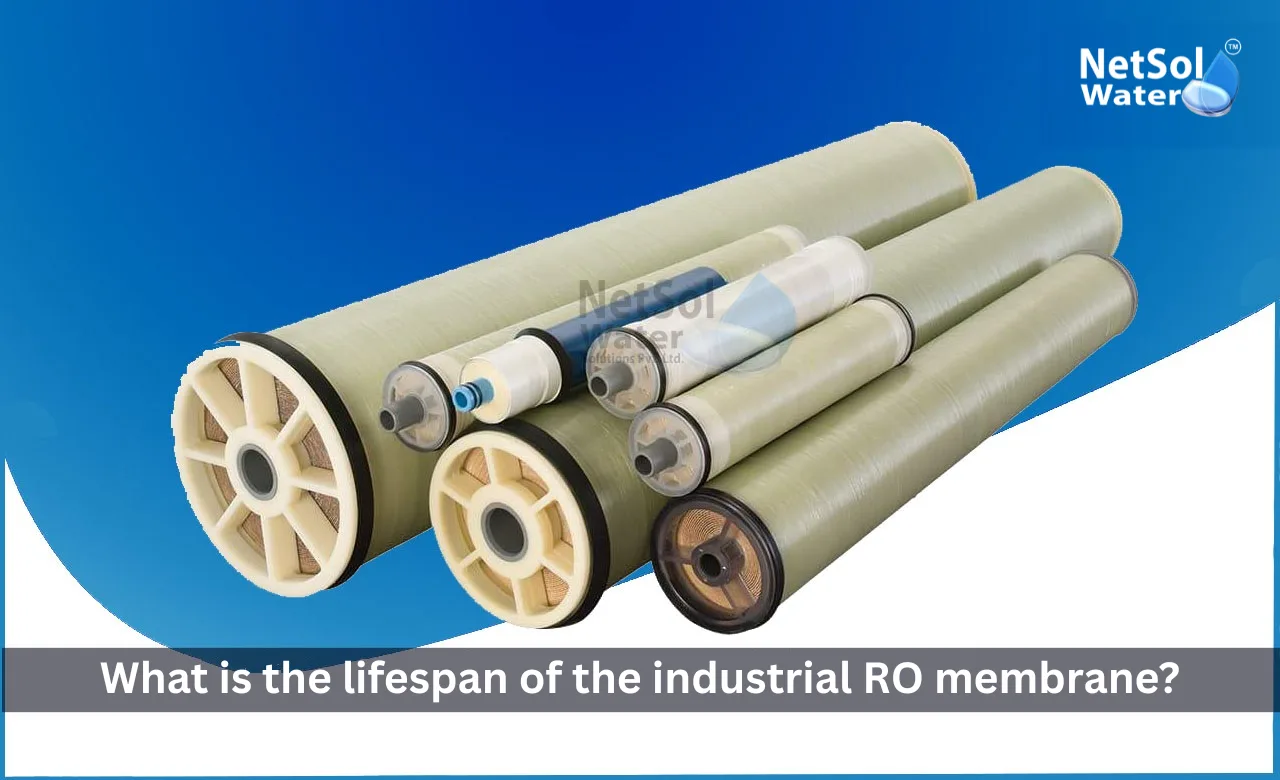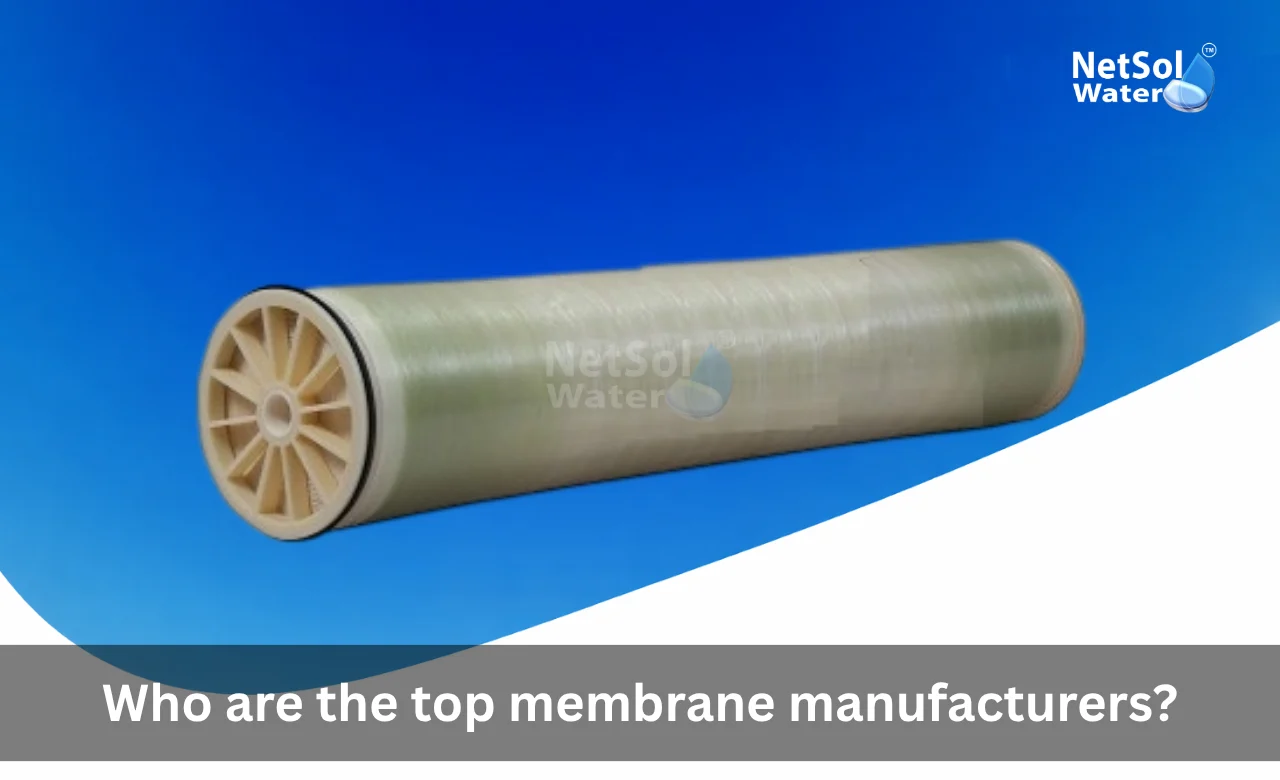
Who are the top membrane manufacturers?
Membrane technology has revolutionized the water & wastewater treatment industry. Today, industries require clean water for production, and they require efficient water treatment plants before discharge. The cities need high-tech treatment facilities to comply with environmental requirements. The rising demand has made membrane manufacturers around the world more significant in the market. Manufacturing high-quality membranes is one way that companies are helping industries in their improvement of water recovery and in keeping their treatment efficient.
In cities like Delhi, Gurgaon, Noida, Faridabad, etc., industries are still growing in these cities, and hence water treatment plants are still in great demand in India. Numerous businesses today are looking for a reputable Wastewater Treatment Plant Manufacturer that offers membranes and full treatment solutions for their needs.
We are well known as a top player in this industry due to our range of membrane-based wastewater treatment plants for industrial and commercial applications. Several world-class membrane companies also have an important stake in the market simultaneously.
Why Membrane Manufacturers Matter in Wastewater Treatment
Many modern wastewater treatment plants are based on membranes. They filter the impurities from water and assist industries in reusing the treated water. A treatment plant can achieve better performance when it uses reliable membrane products. As a result, the choice of membrane manufacturer is another crucial choice for plant owners.
Let’s take a look at some of the major features that make the manufacturers of membranes important in the wastewater treatment industry.
1. Performance and the Quality of the Water That They Provide
A quality membrane manufacturer creates membranes that effectively remove suspended solids, dissolved salts, bacteria, and other contaminants. A high-performance membrane can produce water that can be used in the industry and the environment. This optimises the efficiency of the plant and minimises operational issues.
2. Long Service Life
Membranes work against pressure for extended periods of time. The quality of the materials can be poor and cause failure in a short time. Durability is a key feature for the leading manufacturers, as it prevents industries from having to replace and maintain their products often.
3. Support for Different Industries
Different industries generate different types of wastewater. Textile, pharmaceutical, food processing, chemical, and automotive industries all require specific treatment approaches. Membrane manufacturers develop products that can handle these varying wastewater conditions and support customized plant designs.
Netsol Water as a Leading Wastewater Treatment Plant Manufacturer
Choosing the right company for wastewater treatment requires more than selecting a membrane product. Industries also need engineering support, plant design, installation, and after-sales service. This is where Netsol Water has established a strong position in the Indian market.
Let us have a look at some reasons why Netsol Water is recognized as a leading manufacturer.
A. Complete Treatment Solutions
Netsol Water provides complete wastewater treatment plants that include membrane technology, biological treatment, filtration, and automation. The company works with industries that need efficient treatment plants for production facilities, hotels, hospitals, educational institutions, and commercial complexes.
B. Focus on Membrane-Based Systems
The company uses advanced membrane processes such as ultrafiltration, reverse osmosis, and membrane bioreactor systems. These technologies help industries recover water and reduce freshwater consumption. This approach supports sustainable water management and helps businesses meet regulatory requirements.
C. Service and Technical Support
A treatment plant requires regular monitoring and maintenance. Netsol Water provides technical guidance during installation and operation. This support helps plant owners maintain stable performance and achieve consistent treatment results. Many industries, therefore, consider Netsol Water a dependable Wastewater Treatment Plant Manufacturer for long-term projects.
2. Sewage Treatment Plants
Sewage Treatment Plants has worked in water treatment for decades. The company provides membranes and complete treatment plants for industrial and municipal sectors. It has experience in desalination, wastewater recycling, and zero liquid discharge systems.
Its integrated approach allows customers to obtain equipment, chemicals, and operational support from a single provider.
3. Thermax Limited
Thermax is known for energy and environmental solutions. The company designs wastewater treatment plants that often incorporate membrane technology for water reuse and recovery. Thermax serves industries such as chemicals, pharmaceuticals, food processing, and manufacturing.
Its engineering capability enables it to handle large industrial projects across India and other countries.
4. VA Tech Wabag
VA Tech Wabag focuses on municipal and industrial water infrastructure. The company executes large wastewater treatment and water reuse projects. It uses membrane systems in advanced treatment applications where high-quality treated water is required.
Wabag has completed projects for cities, industries, and infrastructure developments in multiple regions.
How to Choose the Right Membrane Manufacturer
Selecting a membrane manufacturer should involve technical and operational considerations rather than price alone. The wrong choice can increase maintenance costs and reduce plant performance.
Let us have a look at some factors that help industries make a better decision.
1. Assess Water Quality Requirements
Depending on the treated water quality needed, the plant will use ultrafiltration, nanofiltration, reverse osmosis, or membrane bioreactor technology. A reputable manufacturer will take the time to analyze the wastewater flow properties prior to suggesting a solution.
2. Check Industry Experience
The manufacturers that have similar experience in the production know the common treatment challenges. They can suggest suitable membrane configurations to operate under certain conditions.
3. After-Sales Support
Cleaning, monitoring, and replacement of membranes are necessary. Plant technical support companies offer a guarantee of plant performance over many years by supplying spare parts and operational advice. This is particularly crucial in choosing a Wastewater Treatment Plant Manufacturer for a long-term industrial project.
Read some interesting information for the Sewage Treatment Plant Manufacturer in Delhi
Conclusion
Water and wastewater treatment facilities continue to be influenced by membrane technology. Large-scale projects and research work have established the reputations of major companies in the industry, such as Netsol Water, Sewage Treatment Plants, Thermax, and VA Tech Wabag. Netsol Water is one of the prominent wastewater treatment plant manufacturers offering comprehensive membrane-based wastewater treatment solutions for industrial & commercial applications.
Industries that wish to improve water recovery, minimize the quantity of water that is discharged, and simultaneously comply with environmental regulations should cooperate with an advanced manufacturer who has knowledge of membrane technology and plant operation. Call Netsol Water today to outline your treatment needs and to schedule a consultation to determine the best possible solution to your wastewater treatment needs.
Contact Netsol Water at:
Phone: +91-9650608473
Email: enquiry@netsolwater.com