
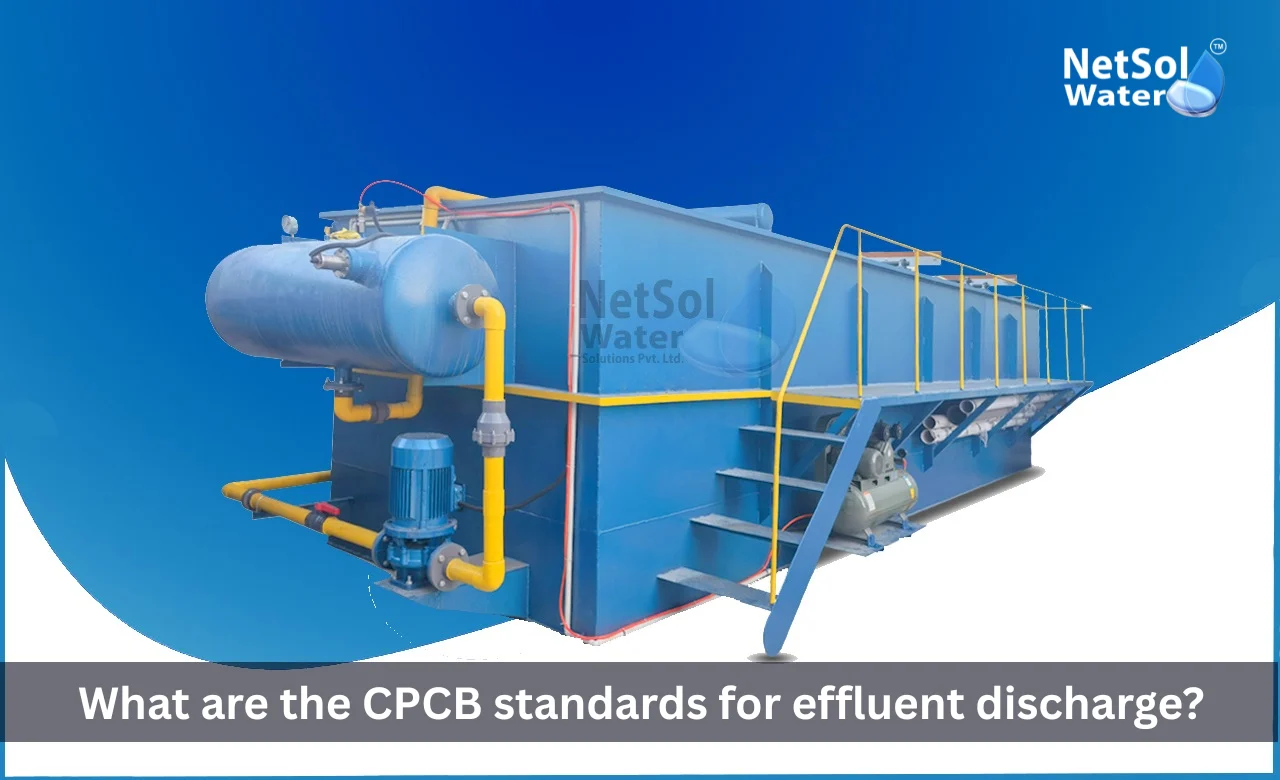
What Are the CPCB Standards for Effluent Discharge?
India has many strong industries and each one supports growth in a different way. From textile units to food plants and chemical factories, the country depends on safe industrial work to keep moving forward. At the same time, these industries produce wastewater that can harm land, water and public health if they release it without treatment.
What CPCB Standards Mean for Effluent Discharge
The CPCB sets limits for the quality of treated wastewater before an industry sends it out into a drain, sewer, land or water body. These limits help control pollution and protect nearby communities. They also create a common rule for industries across India so every plant follows the same basic environmental path.
Let’s have a look at some important parts of these standards. The first part is the type of wastewater that leaves the plant. The second part is the place where the water will go after treatment. CPCB may allow discharge into a public drain, irrigation use or surface water only if the water meets the set values.
A plant cannot treat wastewater in a random way and hope for approval. It needs a proper system that understands the nature of the effluent first. That is why the role of an experienced effluent treatment plant manufacturer becomes so important. The manufacturer studies the wastewater load and then creates a system that fits the industry process. This helps the plant meet CPCB standards in a stable way and also reduces the risk of failure during inspection.
Key Parameters That CPCB Checks
The CPCB standards focus on a few main water quality points because these points show how safe or unsafe the treated water is. Every industry should understand these values because they guide the whole treatment process. Let’s have a look at some important parameters that CPCB checks before discharge.
1. pH and Acidity Level
pH shows whether the water is too acidic or too alkaline. If the value goes too far in either direction, it can harm soil, pipes and water life. CPCB keeps the pH range within a safe limit so the discharged water does not create sudden damage in the receiving area. A treatment plant must correct pH at the right stage. This step often comes before more advanced treatment. It helps the rest of the process work better and keeps the water stable for further cleaning.
2. BOD and COD Values
BOD means biochemical oxygen demand. COD means chemical oxygen demand. These two values show how much organic and chemical waste remains in the water. High BOD and COD mean the water still carries a strong pollution load. That is why CPCB sets limits for both. Industries must reduce these values through biological and chemical treatment. When the plant designs the system well, it can break down waste more fully and release cleaner water.
3. TSS, Oil and Grease
TSS means total suspended solids. These are tiny particles that stay floating in water. Oil and grease also cause problems because they block treatment and pollute the discharge area. CPCB limits these contents because they can clog drains and affect natural water quality. A good treatment plant uses settling, filtration and separation steps to remove these materials. This makes the final water clearer and safer for release.
4. Specific Toxic Substances
Some industries generate wastewater with metals, salts, dyes or special chemicals. CPCB may ask for lower limits for these substances because even small amounts can cause harm. This is common in plating, textile, chemical and pharmaceutical units. These plants need careful testing and special treatment methods. Toxic waste does not always show itself through colour or smell. It can still create hidden damage over time. That is why regular monitoring and correct treatment become essential for compliance.
How Industries Meet CPCB Discharge Limits
Meeting CPCB standards takes more than one machine. It needs planning, testing, operation and regular checks. The treatment line must match the nature of the wastewater and the discharge goal. That is why each industry should first study its effluent profile. Once it knows the nature of the waste, it can build a treatment system that works in a steady way.
Let’s have a look at some important steps. First, the plant should collect wastewater in a proper equalization tank. This step evens out sudden changes in flow and quality. Then the system should adjust pH and remove large particles. After that, it can use biological treatment for organic waste and chemical treatment for difficult pollutants. In some cases, filtration and polishing are also needed before discharge. Each step adds to the final water quality and helps the plant meet the standard values.
A plant also needs trained operators. Even the best system can fail if no one checks it properly. Operators must watch pH levels, sludge formation and equipment health. They must also keep records of testing because CPCB inspection often depends on proof of regular control. Here, the support of a strong Effluent Treatment Plant Manufacturer becomes very useful. The manufacturer does not only supply the system. It also helps with design, installation and performance support so the plant can keep its discharge within the required limit.
Regular maintenance matters too. Pumps, blowers, filters and sensors all need attention. If one part stops working, the whole process can lose balance. Industries that plan maintenance well often save money and avoid sudden shutdowns. They also build a safer environmental record. This is one more reason why many companies work with Netsol Water when they need a practical and reliable treatment solution.
Why the Right ETP Partner Makes Compliance Easier
CPCB rules are clear but every industry faces a different wastewater problem. A food plant does not produce the same effluent as a dye unit or a metal finishing plant. So one standard system cannot work for all. This is why the choice of partner matters so much. The right treatment expert studies the wastewater source, the volume, the pollution level and the discharge point before suggesting a solution.
Let’s have a look at some reasons why this support is useful. A skilled partner helps reduce design mistakes. It also helps the plant choose the right treatment stages in the right order. This saves space, energy and operating costs. More importantly, it helps the plant stay ready for testing and compliance. When the system matches the industry need, the discharge quality becomes more stable and the risk of violation goes down.
Netsol Water is the leading effluent treatment plant manufacturer and it works with industries that need dependable effluent control. Its approach focuses on practical design and smooth operation so businesses can meet CPCB discharge norms with less stress. This matters because compliance is not only about meeting a legal rule. It also shows that the industry respects water resources and community health. When a plant invests in the right ETP, it protects its future and strengthens its reputation.
Read some interesting information for the Commercial RO Plant Manufacturer in Faridabad
Conclusion
CPCB standards for effluent discharge set the base for safe industrial water management in India. They help industries control pollution and protect the environment while continuing their work. A proper treatment system makes these standards easier to meet and keeps the plant prepared for regular checks. When an industry understands its wastewater and chooses the right solution, it can move ahead with more confidence and less risk.
If your business needs support with compliance then an experienced Effluent Treatment Plant Manufacturer can guide you in the right direction. Netsol Water can help you build a treatment system that matches your process and supports CPCB standards for effluent discharge. Contact us to discuss your project or request a consultation for the right ETP solution.
Contact Netsol Water at:
Phone: +91-9650608473
Email: enquiry@netsolwater.com