
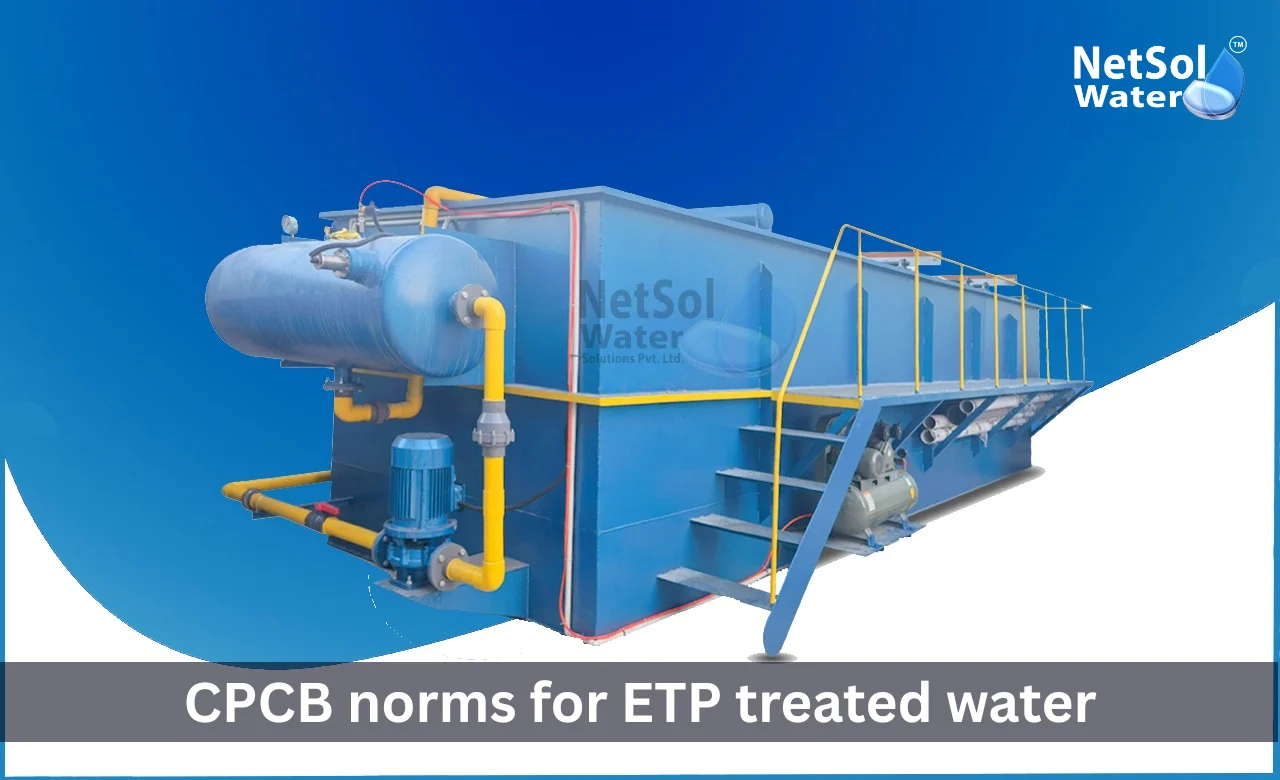
CPCB Norms for ETP Treated Water
The Central Pollution Control Board sets rules to control industrial water pollution. These rules guide how factories must treat and release water after cleaning. CPCB Norms help protect rivers, lakes, and coastal areas from harmful discharges. We are the leading company that designs and installs effluent treatment systems that meet these rules.
Core Discharge Parameters (Inland Surface Water)
The CPCB Norms set limits for several core parameters. These numbers tell plants what the treated water must look like before they send it to a river or lake. Meeting these limits reduces harm to plants, fish, and people who use the water downstream. Let us have a look at some of the key measurable items that the board watches and why each one matters.
1. pH and General Balance
pH shows how acidic or alkaline the water is. The allowed range keeps the water safe for life and for the materials used in pipes and treatment units. Plants must adjust pH values so the discharge stays within the permitted window. If the pH sits outside the range, the board can order corrective actions. Operators monitor pH often because it affects how other treatment steps work. Stable pH helps biological treatment and reduces the chance of toxic shocks to microbes. Good pH control also prevents corrosion and damage in sewers and drains.
2. BOD, COD, and Suspended Solids
Biochemical oxygen demand shows how much oxygen the organic matter will use in natural waters. Chemical oxygen demand measures both organic and some inorganic substances that can consume oxygen. Total suspended solids include particles that reduce light and harm fish. The CPCB Norms set clear limits for these numbers to protect rivers and lakes. Treatment plants use biological reactors, sedimentation, and filtration to cut these loads. Operators test these values at regular intervals and adjust aeration and solids removal to meet the standards. Keeping these values low helps the river carry life and supports safe use by communities.
Heavy Metal and Specific Pollutant Limits
The CPCB Norms apply stricter rules to these substances because they can build up in food chains. The board names limits for elements and compounds that cause health risks and ecological damage. Let us have a look at some of the most watched contaminants and how plants control them.
1. Mercury, Lead, and Chromium
Mercury can harm the nervous system even at very low levels. Lead can damage brain development in children and harms many organs. Chromium appears in two forms and the hexavalent form causes strong health concerns. The CPCB Norms keep these metals at very low concentrations to prevent harm. Treatment may use chemical precipitation, ion exchange, or specialized adsorption to remove these ions. Plants must monitor for these metals in their influent and effluent. If any value nears the limit, the team must act fast to change the process and protect the people who live downstream.
2. Arsenic, Phenolic Compounds, and Cyanide
Arsenic can cause long-term poisoning when it enters drinking water sources. Phenolic compounds can harm aquatic life and cause taste and odour issues in water. Cyanide can cause acute poisoning in humans and animals. The CPCB Norms give specific caps for each of these pollutants. Treatment methods include advanced oxidation, adsorption, and personalized chemical steps. Many industries that use chemicals must add targeted units to their ETP to cut these contaminants. Regular checks and good record keeping show regulators that the plant follows the rules and protects the environment.
Key Compliance Requirements
The board does not only set numbers. It also sets rules for monitoring, reporting, and reuse. These rules help regulators check results and help firms avoid fines and shutdowns. Let us have a look at some of the main compliance tools industries must use to show ongoing conformance.
1. Online Continuous Effluent Monitoring Systems
The CPCB Norms require many highly polluting industries to install online monitors that report in real time. These systems measure flow, pH, BOD, COD, and other key values as the water leaves the plant. The data goes directly to the board and to the state agency. Continuous monitoring helps detect problems fast and it helps the team take steps before a major breach occurs. Firms must keep the equipment calibrated and they must keep records to show proper functioning.
2. Industry-Specific Standards and Controls
Not all industries produce the same waste. The CPCB Norms include extra rules for sectors such as tanneries, textiles, and pharmaceuticals. These sectors must follow limits and process steps that match their waste profiles. Firms must design ETPs that handle the specific chemicals and solids in their effluent. Regulators may ask for additional treatment stages or for changes in raw material handling to reduce pollutant loads. Clear planning and good design help industries meet these sector-specific demands.
3. Mandatory Reuse and Zero Liquid Discharge Push
The board promotes reuse of treated water and it pushes many industries toward Zero Liquid Discharge. Reuse reduces the need for fresh water and it lowers the volume that must be discharged. ZLD uses evaporation, reverse osmosis, and other steps to capture nearly all water for reuse. Many plants now plan for reuse in cooling systems, washing, and landscaping. Achieving high reuse rates takes design work and operational discipline. The effort helps conserve resources and it reduces the risk of violating limits at the discharge point.
Read some interesting information for the Sewage Treatment Plant Manufacturer in Noida
Conclusion
CPCB Norms set a clear path for how treated water must be safe before it enters rivers, lakes, or the sea. Firms that follow these rules protect human health and the environment, and they reduce the chance of legal trouble and public complaints. Good design, careful operation, and solid monitoring form the base of any successful compliance plan. If you manage a plant, or if you plan a new ETP, you can get expert help to meet the CPCB Norms. Contact us for more details or to request a consultation on design, monitoring, and compliance.
Contact Netsol Water at:
Phone: +91-9650608473
Email: enquiry@netsolwater.com