Commercial RO Plant Manufacturer in Delhi - Sewage Treatment Plant Manufacturers

What-are-the-Applications-of-Commercial-Water-Softeners-1.webp

September 15, 2026by Netsol Water

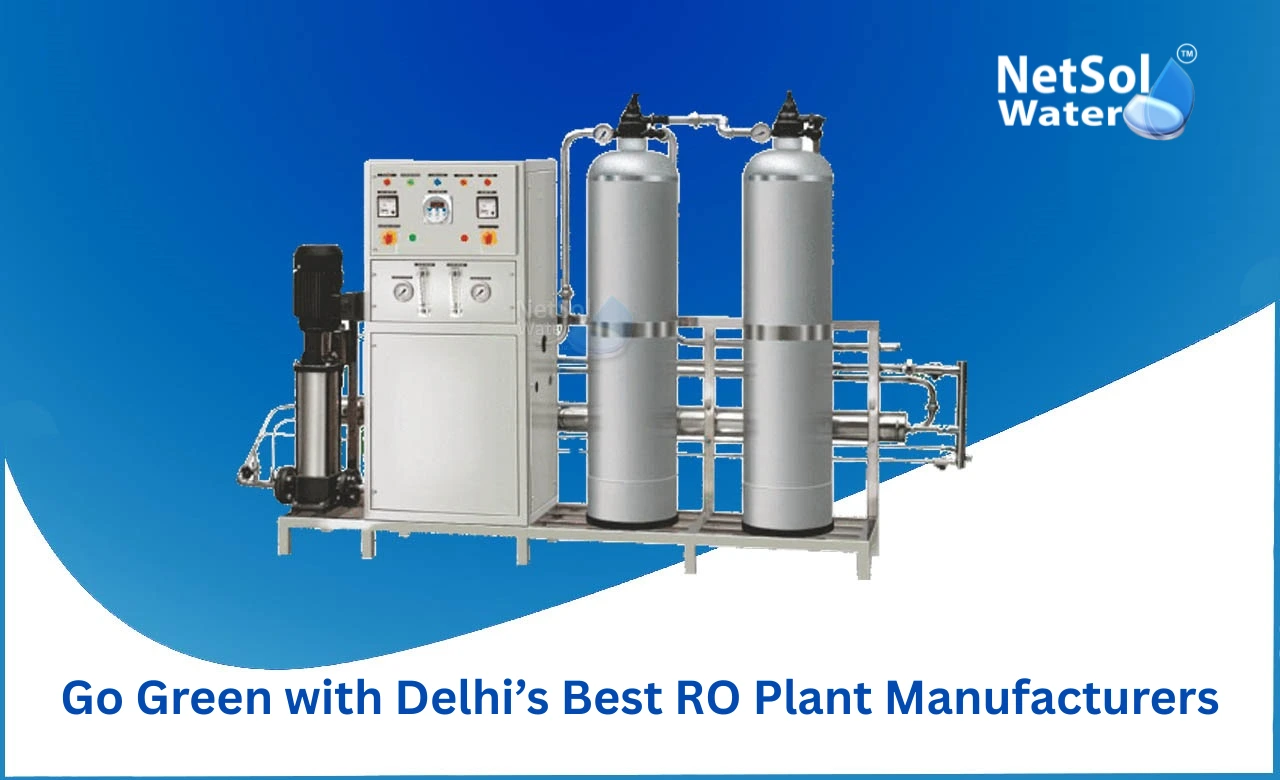
Successfully Installed 250 LPH RO Plant at Bionova Pharmaceuticals, Delhi

Reliable water quality plays an important role in facilities where water forms part of regular operations. This becomes especially important for pharmaceutical facilities because the water used within the premises needs to meet the purpose for which it is intended. When incoming water requires treatment, a suitable treatment plant can help the facility produce water with improved quality and support more controlled water use.

Bionova Pharmaceuticals in Delhi required a suitable water treatment solution for its facility. To address this requirement, Netsol Water successfully installed a 250 LPH RO plant at the site. The project focused on providing a practical RO-based treatment plant that could support the client’s intended water requirement.

The installation also reflects the role of us as a Commercial RO Plant Manufacturer in Delhi. By providing an RO plant that matches the stated capacity requirement, the project created a dedicated treatment arrangement for the client’s premises. The installed system gives the facility an organized method for treating incoming water instead of depending on untreated water for applications where better water quality is required.

Project Overview

A water treatment project needs to begin with a clear understanding of the client’s requirement. The treatment system should match the intended water demand and provide a process that is suitable for the quality of the incoming water. The 250 LPH RO plant installed at Bionova Pharmaceuticals was undertaken with this objective in mind. The project involved supplying and installing an RO-based water treatment solution with a stated production capacity of 250 litres per hour.

The main requirement was to establish an RO treatment facility within the client’s premises. RO provides a widely used method for reducing dissolved substances present in water through membrane-based separation. For a facility that needs treated water for defined operational purposes, an RO plant can provide a dedicated treatment stage between the incoming water source and the point where treated water is used.

The project scope therefore centred on the installation of the 250 LPH RO plant at Bionova Pharmaceuticals in Delhi. The work required the treatment system to be placed at the site and connected so that the plant could operate as intended. The objective was not simply to place the equipment at the facility. It was also to establish a functional treatment arrangement that could produce RO-treated water at the specified plant capacity.

This approach created a direct connection between the client’s requirement and the selected treatment technology. The capacity defined the expected treatment rate while the RO process provided the purification mechanism. The next important consideration was the nature of the client and the reason a dedicated water treatment system was required.

Client Details

Bionova Pharmaceuticals is the client for this project, and the available project information identifies it as a pharmaceutical organisation. Pharmaceutical facilities operate in an environment where process requirements can place greater attention on water quality. Water may be needed for different operational purposes within a facility and the suitability of that water depends on the application.

Bionova Pharmaceuticals required an RO plant and that a 250 LPH system was installed to address the stated treatment requirement. A dedicated treatment plant also provides a more structured method of handling water at the facility. Rather than treating water through an undefined arrangement, the client receives a defined treatment system with a stated output capacity. This gives the project a clear operational purpose and makes it easier to relate the plant size to the intended water requirement.

The requirement becomes particularly relevant in a pharmaceutical setting because water quality can influence how water is selected for different uses. With the client requirement established, the project location also becomes an important part of understanding the installation.

Detail Information
Client Bionova Pharmaceuticals
Facility Type Pharmaceutical organisation
Location Delhi
Solution Provided 250 LPH RO Plant
Installed By Netsol Water


Project Location

The plant was installed at Bionova Pharmaceuticals in Delhi. Project location matters because the treatment plant must be installed within the operating environment of the client. The site must provide an appropriate arrangement for placing the treatment plant and allowing the treated water to move toward its intended point of use.

Bionova Pharmaceuticals is the location where the treatment solution had to be integrated into the client’s facility. The installation needed to suit the available site conditions and support normal operation after commissioning.

The location also highlights the relevance of local water treatment service capability. For organisations seeking a Commercial RO Plant Manufacturer in Delhi, access to a supplier that can handle the installation at the client’s premises can simplify the transition from equipment supply to plant operation. In this project, the treatment system was installed directly at the client’s Delhi facility.

Plant Capacity

Plant capacity determines how much treated water a system can produce over a given operating period. Selecting an appropriate capacity helps align the treatment system with the client’s expected requirement. A plant that does not match the intended demand may create operational limitations, while an appropriately selected capacity provides a clearer basis for planning water production.

For Bionova Pharmaceuticals, the installed RO plant has a capacity of 250 LPH, which means 250 litres per hour. The stated 250 LPH capacity gives the client a defined production rate for the installed RO system. At the specified operating rate, the plant is designed around a treatment output of 250 litres per hour. The actual daily quantity produced would depend on the plant’s operating hours and operating conditions.

Capacity also provides an important reference during operation and maintenance. The client and service team can use the rated 250 LPH figure as a basic reference when assessing plant operation. Any assessment of actual production would still require operating data collected from the plant.

The capacity requirement led directly to the selection of an RO treatment system designed around the specified output.

Parameter Specification
Installed Capacity 250 LPH (Litres Per Hour)
Treatment Technology Reverse Osmosis (RO)
Project Site Bionova Pharmaceuticals, Delhi
Plant Type Industrial / Pharmaceutical RO Plant
Design Basis Defined production rate matched to client’s requirement


Treatment Technology

The treatment technology selected for the project is Reverse Osmosis. RO is a membrane-based water treatment process that separates water from many dissolved substances. It works by applying pressure to feed water so that water passes through a semi-permeable membrane while a significant portion of dissolved impurities is retained in the reject stream.

For the Bionova Pharmaceuticals installation, the 250 LPH RO plant uses this principle to produce treated water from the incoming feed water. The process provides a defined purification stage and allows the plant to handle water treatment through a controlled membrane system.

1. How Reverse Osmosis Works

An RO system uses pressure to move water through a membrane. The membrane allows water molecules to pass through more easily than many dissolved materials. As a result, the treated side receives permeate water while the concentrated stream carries away a portion of the substances separated from the feed.

The quality of the final treated water depends on factors such as the quality of the feed water, membrane condition, operating conditions and overall system design. For this reason, an RO plant must be operated within the conditions for which it was designed.

2. Relevance to the Project

The use of RO gave Bionova Pharmaceuticals a dedicated treatment process with a defined output capacity of 250 LPH. It also created a clear separation between incoming water and treated water. This arrangement can support better management of water quality for the applications that require RO-treated water.

Understanding the incoming water is equally important because RO treatment performance depends strongly on feed water conditions.

Influent Characteristics

Before any water treatment system is selected and operated, the characteristics of the incoming water need to be understood. Parameters such as total dissolved solids, hardness, turbidity, iron and microbial content can affect the treatment approach, membrane condition and overall plant performance.

Importance of Influent Assessment

Knowing the incoming water characteristics allows the treatment system to be matched more accurately to the water being handled. It can also help the operating team understand changes in plant performance over time. When raw water quality changes, the treatment response may also change.

The next stage is the treatment journey itself, where the incoming water moves through the RO system toward treated water production.

Treatment Process

A treatment system performs effectively when water moves through each stage in the intended sequence. Every stage has a purpose and the overall process depends on the proper interaction of those stages. In the Bionova Pharmaceuticals project, the central treatment technology is Reverse Osmosis and the installed plant has a rated capacity of 250 LPH.

1. Raw Water Entry

The treatment process begins when incoming water is directed to the RO plant. At this stage, the plant receives the feed water that requires treatment. The condition of this feed water affects the performance of the downstream membrane system.

2. Feed Water Preparation

RO membranes perform best when the incoming water reaches the membrane system under suitable operating conditions. Depending on the source water characteristics, an RO system may require suitable preparation before water reaches the membrane.

3. Reverse Osmosis Stage

Once the feed water reaches the RO membrane section, pressure drives the separation process. Water passes through the semi-permeable membrane and forms the treated permeate stream. Dissolved substances that do not pass through the membrane remain concentrated in the reject stream.

The RO stage therefore creates two streams from the feed water. One stream becomes treated water while the other carries the concentrated portion of the rejected material.

4. Treated Water Collection

The permeate generated through the RO process is collected as treated water. From there, it can be directed toward the intended point of use or storage arrangement provided at the facility. The important project outcome is that the RO plant was installed to produce treated water at the stated 250 LPH capacity.

This treatment sequence connects directly with the plant equipment. The equipment enables the feed water to move through the treatment process and supports the production of treated water.

Stage Function
Raw Water Entry Incoming feed water is directed to the RO plant
Feed Water Preparation Prepares water so it reaches the membrane under suitable conditions
Reverse Osmosis Stage Pressure drives separation into treated permeate and concentrated reject streams
Treated Water Collection Permeate is collected and directed to the intended point of use or storage


Major Equipment

Correct equipment selection supports the stable operation of a water treatment plant. Each component in an RO system has a defined role, from moving water through the system to carrying out the membrane separation process. The equipment arrangement must also work together as one treatment unit. For the Bionova Pharmaceuticals project, the installation of a 250 LPH RO plant was done.

1. RO Plant Assembly

The principal equipment installed at the site is the 250 LPH Reverse Osmosis plant itself. The plant provides the treatment framework through which the feed water passes and the RO membrane process takes place.

The system brings the treatment components together in a coordinated arrangement. Its primary purpose is to receive the incoming water and produce RO-treated water at the specified plant capacity.

2. Membrane Treatment Section

The membrane section represents the core of the RO process. Here, pressure enables water to pass through the semi-permeable membrane while a portion of dissolved material remains in the concentrated stream.

The equipment supports the process, but successful installation also depends on proper site execution. That brings the project to the installation stage.

Equipment Role in the System
RO Plant Assembly (250 LPH) Principal treatment framework through which feed water passes
Membrane Treatment Section Core of the RO process; performs the separation under pressure


Installation Process

Installation requires more than placing a treatment unit at the client’s premises. The plant must be positioned correctly and connected so that the treatment system can function as intended. Careful execution at the site also helps prepare the system for testing and commissioning.

For the Bionova Pharmaceuticals project, the installation work focused on establishing the 250 LPH RO plant at the client’s Delhi facility. The process began with preparing the site for placement of the treatment system.

Once the site was ready, the RO plant was positioned in its designated area. Proper placement is important because the treatment system needs a suitable connection arrangement for feed water, treated water and reject water. The plant also requires an operating arrangement that allows access for routine observation and maintenance.

The next stage involved making the required system connections. These connections establish the path through which water enters the plant, moves through the RO treatment stage and leaves as treated water and reject water.

After the physical connections were established, the installed system could be prepared for functional testing. This stage links the installation activity with commissioning because a newly installed treatment plant must be checked before it enters regular service.

Plant Commissioning

Commissioning is necessary because installation alone does not confirm that a water treatment plant is ready for operation. The commissioning stage provides an opportunity to check the system after installation and verify that the treatment plant responds correctly when operated.

For the 250 LPH RO plant at Bionova Pharmaceuticals, commissioning followed the installation of the treatment system. The team checked the plant as part of the start-up process and prepared it for operational use.

A commissioning exercise for an RO plant generally involves checking the system connections, starting the treatment process, observing plant operation and confirming that water moves through the intended treatment path. The plant can then be assessed against the required operating conditions.

250 LPH RO plant was successfully installed and commissioned for the client’s facility. This completed the transition from equipment installation to an operational water treatment system.

Treated Water Reuse

Treating water creates value when the resulting water is used appropriately within the facility. The purpose of an RO plant is not limited to the treatment stage itself. The treated water must also be directed toward applications for which its quality is suitable.

At Bionova Pharmaceuticals, the installed system provides RO-treated water at a stated capacity of 250 LPH. The client can use the treated water for the purposes defined by its internal operational requirements and water quality criteria. The appropriate application should depend on the quality of the treated water and the requirements of the specific process in which it is used.

A controlled treated water stream can also make water handling more structured at the facility. Instead of treating water only at the point of use, the RO plant creates a central treatment stage that produces water through a defined process.

This provides a logical connection between treatment and operation. The plant treats the incoming water while the facility determines how the resulting water should be used based on its own requirements.

Results and Performance

Project results provide the clearest indication of whether a treatment system has addressed the requirement for which it was installed. In this project, the successful installation of a 250 LPH RO plant at Bionova Pharmaceuticals in Delhi has been done.

The completed installation provided the client with an RO-based treatment system with a defined production capacity. The plant establishes a dedicated method for treating incoming water and producing RO-treated water within the facility.

1. Successful Installation

The project was successfully completed with the installation of the specified 250 LPH RO plant. This means the client’s requirement for the installation of an RO treatment system was addressed through the completed project.

2. Defined Treatment Capacity

The installed system has a rated capacity of 250 LPH. This gives the client a clear reference for the plant’s intended treatment output. It also provides a basis for planning water production around the facility’s operating schedule.

3. Operational Water Treatment

The RO plant creates a dedicated water treatment process at the client’s premises. The system allows the facility to process incoming water through Reverse Osmosis and obtain treated water for appropriate uses.

From a project delivery perspective, the successful installation demonstrates the practical ability to provide an RO treatment solution for a defined industrial requirement. It also reflects the role of a Commercial RO Plant Manufacturer in Delhi in delivering and installing treatment systems at client facilities.

Confirmed Outcome Status
Installation of 250 LPH RO Plant Completed
System Connections & Testing Completed
Plant Commissioning Completed
Laboratory/TDS Data Not provided — not included in this case study


Customer Feedback/Testimonial

Customer feedback is valuable because it provides a direct view of how the completed installation was received by the client. It can also help show whether the delivered system addressed the original requirement from the user’s perspective.

We are pleased with the successful installation of the 250 LPH RO plant at our facility in Delhi. The Netsol Water team understood our requirement and provided a suitable water treatment solution for our facility. The installation was carried out professionally and the system was commissioned successfully. We appreciate the team’s support throughout the installation process and are satisfied with the overall project execution. The RO plant has provided us with a dedicated solution for producing treated water as required at our facility.

Read some interesting information for the Effluent Treatment Plant Manufacturer in Faridabad

Conclusion

A well-planned water treatment system can provide a facility with a defined method for managing the quality of its incoming water. The installation of the 250 LPH RO plant at Bionova Pharmaceuticals in Delhi addressed the client’s stated requirement for an RO-based treatment solution. The completed plant provides a treatment capacity of 250 LPH and establishes a dedicated RO process at the facility.

The project also demonstrates how treatment technology can be matched with a defined operational requirement. Reverse Osmosis provides the central purification process while the installed plant brings the treatment arrangement into the client’s premises. The successful installation itself represents a completed water treatment solution based on the specified capacity.

Netsol Water serves as a Commercial RO Plant Manufacturer in Delhi and provides water treatment solutions for organisations with different treatment requirements. Businesses that need a suitable RO system can discuss their water quality, capacity requirement and site conditions with the technical team before selecting a plant.

For more information about RO water treatment solutions or to discuss a similar requirement, contact Netsol Water for a consultation and project discussion personalized to your facility.

Contact Netsol Water

Contact Details
Phone +91-9650608473
Email enquiry@netsolwater.com


Successfully-Installed-2000-LPH-RO-Plant-at-NFCSF-Jasola-Vihar-Delhi.webp

September 12, 2026by Netsol Water

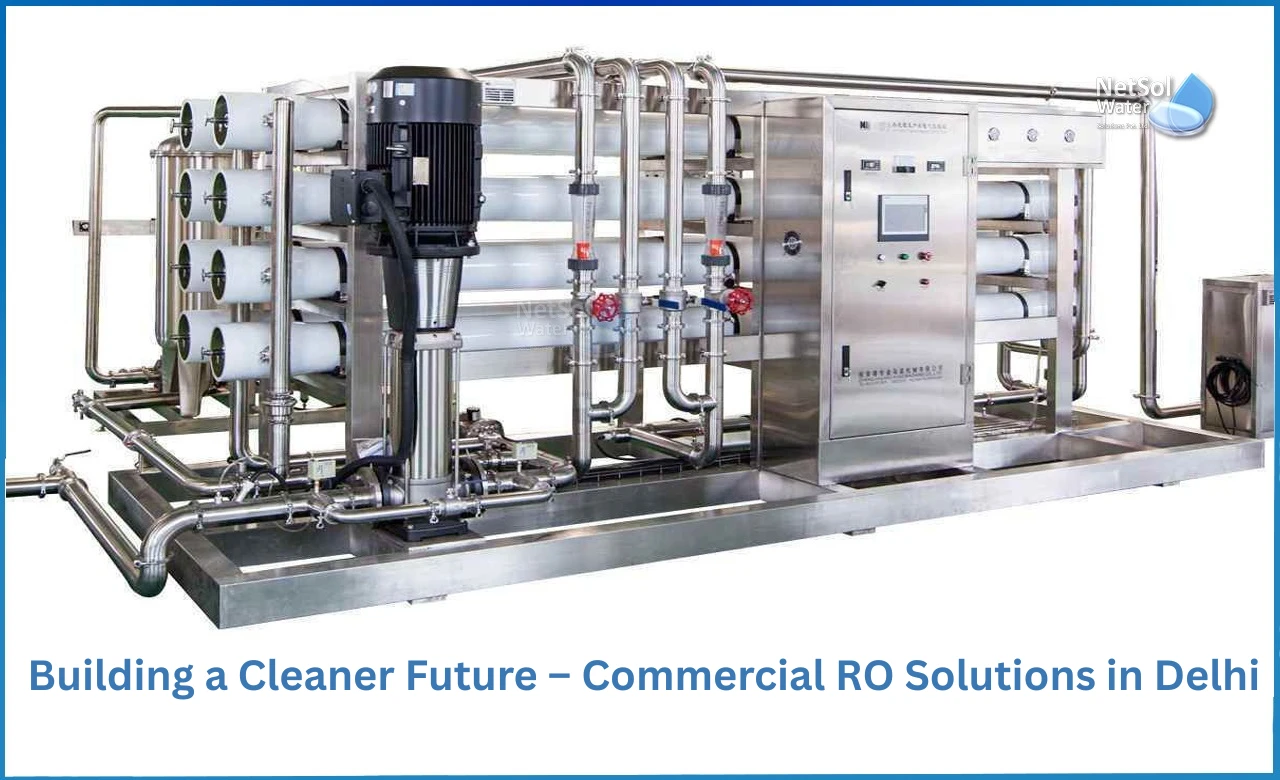
Successfully Installed 2000 LPH RO Plant at NFCSF, Jasola Vihar, Delhi

Reliable water treatment plays an important role when a facility needs a consistent supply of treated water for its operations. Water quality can vary depending on the source and local conditions. A suitable treatment plant helps address this requirement by processing incoming water and producing treated water at the required capacity. For this reason, selecting the right treatment plant is important for facilities that need a practical and dependable water treatment arrangement.

We completed the installation of a 2000 LPH RO plant at NFCSF in Jasola Vihar, Delhi. The project focused on providing a commercial water treatment solution that could meet the intended water requirement of the facility. The installed system uses Reverse Osmosis technology to treat the incoming water and produce treated water.

The project demonstrates how a properly selected RO plant can support a facility’s water treatment requirement when capacity and treatment needs receive careful attention. The installation also reflects Netsol Water‘s role as a Commercial RO Plant Manufacturer in Delhi that provides water treatment systems for different operational requirements.

Project Overview

A water treatment project must begin with a clear understanding of the client’s requirement. The treatment plant should match the required water capacity while using a process that suits the intended application. The project at NFCSF followed this basic approach by focusing on the installation of a suitable RO system with a defined treatment capacity.

The requirement at the facility was addressed through the installation of a 2000 LPH RO Plant. The objective was to provide a treatment system capable of processing the incoming water and producing treated water for the intended use at the site. The selected capacity gave the project a clear operating target and helped define the treatment system needed for the facility.

The scope of work covered the installation of the RO plant at the project location. The treatment system had to be positioned properly and connected so that water could move through the required treatment stages. The project also involved preparing the system for operation and carrying out commissioning activities before regular use.

A successful installation does not depend only on placing equipment at the site. The complete system must work as one treatment arrangement. Each part must connect correctly with the next stage so that raw water can enter the plant and treated water can be produced in the required manner. This made planning and execution important parts of the project.

Client Details

NFCSF was the client for this water treatment project. The facility required a suitable RO treatment system to address its treated water requirement.

The need for an RO plant indicates that the facility required treated water rather than using the incoming water directly for its intended purpose. Water treatment helps convert the source water into water suitable for the planned application. In such situations, the treatment plant must be selected according to the required capacity and the treatment objective.

The project therefore focused on providing NFCSF with an RO-based solution rather than a general water handling system. The treatment plant was selected and installed to create a defined process for treating incoming water. This arrangement gave the facility a dedicated treatment system that could operate according to the specified 2000 LPH capacity.

The client’s requirement also influenced the practical approach to installation. The plant had to fit into the available site and connect with the water movement required at the facility. Once the equipment was installed and commissioned, the system was ready to support the intended water treatment process.

Understanding the client’s basic requirement provides the foundation for understanding why the selected project location and plant capacity were important. The next section looks at the location where the treatment system was installed and how the site formed part of the project planning.

Detail Information
Client NFCSF
Location Jasola Vihar, Delhi
Solution Provided 2000 LPH RO Plant
Installed By Netsol Water


Project Location

The location of a water treatment plant affects how the system is installed and connected to the facility. The available space, access to the installation area and the connection points for raw and treated water all influence the practical execution of the work. These considerations become especially important when a treatment plant must be installed within an existing facility.

The project was completed at NFCSF, located in Jasola Vihar, Delhi. The installation therefore took place in an urban facility where the treatment equipment needed to be placed and connected according to the site’s available arrangement. The location formed an important part of the project because the plant had to be installed in a way that supported proper water flow and practical operation.

Jasola Vihar is within Delhi. For the project itself, however, the key consideration was the client’s facility and the available installation area rather than general geographic features. The treatment system needed to fit the site’s operational requirements while allowing the equipment to function as intended.

The installation team therefore had to consider the physical arrangement of the plant and its connections during execution. Proper placement helped create a clear path for raw water entry and treated water movement. It also supported the commissioning stage by allowing the installed equipment to operate as one connected treatment system.

With the project location established, the next consideration was the amount of water the plant needed to treat. Capacity selection played a direct role in determining the size and operating target of the installed RO system.

Plant Capacity

Plant capacity provides the basis for designing and selecting a water treatment system. A plant that matches the intended water requirement can process water at a defined rate and support the facility’s operational needs. For this project, capacity was one of the main factors that shaped the selected treatment solution.

The installed plant has a capacity of 2000 LPH. The term LPH means litres per hour. Therefore, the plant is designed to process 2000 litres of water per hour under the intended operating conditions. This capacity provided a clear treatment rate for the NFCSF facility.

Selecting a 2000 LPH system also established the operating scale for the treatment plant. The plant needed to process the incoming water at this stated capacity and produce treated water through the RO process. The treatment system was therefore configured around the defined output requirement rather than using an unspecified or general-purpose arrangement.

The stated capacity is also useful from an operational perspective because it provides a measurable reference for plant use. The facility can understand the expected treatment rate and plan the use of treated water around the installed capacity. This makes the capacity an important link between the treatment equipment and the practical requirement at the site.

Since the project was designed around a 2000 LPH output, the treatment technology had to support this operating requirement. Reverse Osmosis was selected as the core treatment process.

Parameter Specification
Installed Capacity 2000 LPH (Litres Per Hour)
Treatment Technology Reverse Osmosis (RO)
Project Site NFCSF, Jasola Vihar, Delhi
Plant Type Commercial RO Plant
Design Basis Defined output requirement matched to facility’s treatment rate


Treatment Technology

Choosing the right treatment technology is important because different water treatment processes address different water quality requirements. Reverse Osmosis is a membrane-based treatment process that uses pressure to move water through a semi-permeable membrane. The membrane allows water to pass while restricting many dissolved substances and other unwanted components present in the source water.

The NFCSF project uses Reverse Osmosis as the main treatment technology. The RO plant receives incoming water and applies pressure to push the water through the RO membrane. During this process, the membrane separates the water into a treated stream and a reject stream.

1. Reverse Osmosis Process

The central part of an RO plant is the RO membrane. Before water reaches the membrane, it must pass through the required treatment stages that prepare it for membrane filtration. This preparation helps the RO stage operate under suitable conditions.

Once the prepared water reaches the membrane section, pressure drives the water through the membrane. The membrane acts as a barrier to many dissolved substances. Water that passes through the membrane forms the treated water stream. The remaining stream carries the rejected material away from the membrane section.

The process therefore uses physical separation rather than adding a treatment chemical to remove dissolved contaminants. The effectiveness of the system depends on proper operation of the complete treatment sequence and the condition of the membrane system.

2. Role of RO in the Project

For the NFCSF project, RO provides the main treatment step required to convert incoming water into treated water. The technology also fits the project’s defined treatment capacity of 2000 LPH. The plant was installed as a complete treatment arrangement so that water could move through the required stages before reaching the RO membrane.

RO technology was therefore not treated as an isolated component. It formed the main part of an integrated treatment process that included water entry, preparation, membrane treatment and treated water collection. This connected approach helped ensure that each stage supported the next.

The suitability of the treatment process also depends on the characteristics of the incoming water. Before operating any RO system, it is important to understand what is present in the source water.

Influent Characteristics

Understanding incoming water quality is an important part of water treatment planning. The treatment system must receive water that matches the conditions for which the plant has been selected and prepared. Parameters such as dissolved solids, hardness, turbidity, iron and microbial content can influence treatment requirements. Knowing these characteristics helps determine the treatment approach and supports proper operation.

Importance of Water Quality Assessment

TDS is commonly used to describe the total amount of dissolved substances in water. Hardness relates mainly to dissolved calcium and magnesium salts. Turbidity indicates the presence of suspended particles that can make water appear cloudy. Iron can create treatment and operational concerns when present at elevated levels. Microbial content provides another important measure when water treatment involves biological contamination.

Parameter Relevance to Treatment
TDS Describes the total amount of dissolved substances in water
Hardness Relates mainly to dissolved calcium and magnesium salts
Turbidity Indicates suspended particles that can make water appear cloudy
Iron Can create treatment and operational concerns at elevated levels
Microbial Content Important measure when biological contamination is a concern


Treatment Process

A proper treatment sequence allows the RO plant to perform its main function effectively. Water should move through the system in an orderly manner so that each stage prepares the water for the next stage. This arrangement supports stable treatment and helps protect the main RO membrane from conditions that could affect its operation.

At NFCSF, the treatment process begins when incoming water enters the treatment system. The water then moves through the stages provided in the RO plant before reaching the membrane section. After membrane treatment, the treated water is collected for the intended use.

1. Raw Water Entry

The first stage involves the entry of the incoming water into the treatment system. This creates the starting point for the complete treatment cycle. Raw water must enter the plant through the planned connection so that it can move into the treatment sequence without disrupting the flow.

The design of this stage provides the basic foundation for the remaining process. Once water enters the system, it moves toward the treatment stages that prepare it for RO membrane filtration.

2. Water Preparation

Before entering the membrane stage, water requires suitable preparation. The preparation stage helps control the conditions under which the RO membrane operates. Depending on the plant design and source water quality, this stage can involve the removal or reduction of materials that may interfere with membrane performance.

3. RO Membrane Treatment

After preparation, the water reaches the RO membrane section. A high-pressure arrangement pushes the water toward the semi-permeable membrane. The membrane allows a portion of the water to pass through while restricting many dissolved substances present in the incoming stream.

The water that passes through the membrane becomes the treated product water. This water is then directed toward the treated water collection point. The remaining water forms the reject stream and leaves the membrane section through the designated reject outlet.

4. Treated Water Collection

The final stage of the treatment journey involves collecting the water produced by the RO process. The treated water can then be directed toward the client’s intended use within the facility. The collection arrangement provides a clear separation between treated water and reject water.

This sequence creates a connected flow from raw water entry to final treated water production. Every stage has a defined role and supports the next stage. The effectiveness of this process also depends on selecting and installing the right equipment for each part of the system.

Stage Function
Raw Water Entry Incoming water enters the treatment system through the planned connection
Water Preparation Controls conditions under which the RO membrane operates
RO Membrane Treatment High-pressure arrangement pushes water through the membrane, separating treated and reject streams
Treated Water Collection Collects treated water and directs it to the client’s intended use


Major Equipment

Equipment selection has a direct impact on how a treatment plant operates. Each component must perform its intended function and work correctly with the rest of the system. A properly arranged plant allows water to move through the treatment process in a controlled manner.

The major technology confirmed for the project is the Reverse Osmosis system with a capacity of 2000 LPH.

1. RO Membrane System

The RO membrane system forms the main treatment section of the plant. It performs the membrane separation process that produces treated water from the incoming stream. Pressure pushes water through the membrane while the membrane restricts many dissolved materials.

The membrane section therefore acts as the core of the treatment plant. Its operation determines the separation step that defines the RO process.

2. High-Pressure Arrangement

Pressure is necessary for Reverse Osmosis because the treatment process requires water to move through the membrane against the natural osmotic pressure. The high-pressure arrangement provides the force required for this process.

The pressure system must work in coordination with the membrane section. Proper operation helps maintain the flow required for treatment and supports the plant’s intended capacity.

3. Water Flow and Collection Connections

The plant also requires suitable connections for raw water entry, treated water movement and reject water discharge. These connections link the different treatment stages and ensure that water follows the planned route.

The equipment arrangement at NFCSF was installed with these connections so that the plant could be tested as a complete system during commissioning. Once the major components were placed and connected, the project moved into the installation and execution stage.

Equipment Role in the System
RO Membrane System Core of the treatment plant; performs the membrane separation process
High-Pressure Arrangement Provides the force required to move water through the membrane
Water Flow & Collection Connections Link raw water entry, treated water movement and reject discharge


Installation Process

Plant installation requires careful planning because the equipment must be positioned correctly and connected in the proper sequence. A treatment plant cannot perform as intended unless the physical arrangement and water connections support the treatment process. The installation at NFCSF therefore involved arranging the system at the site and preparing it for operation.

1. Site Preparation

The installation process began with attention to the site where the RO plant would be placed. The available area had to support the equipment arrangement and allow the required connections. Site preparation created the conditions needed for safe and practical equipment placement.

The installation area also had to permit access to the system for operation and routine attention. Proper positioning helped the team maintain a logical flow between the different treatment stages.

2. Equipment Placement

Once the site was ready, the RO plant equipment was placed according to the planned arrangement. Correct positioning was important because the components needed to connect with one another in the order required by the treatment process.

The equipment placement also helped establish the flow path from the raw water side to the treated water side. This ensured that water could move through the treatment process without unnecessary changes in direction or connection.

3. System Connections

After equipment placement, the required connections were made between the treatment stages. Raw water connections allowed the incoming stream to enter the plant. The treatment connections linked the water path to the RO section. Treated and reject water connections completed the system’s output arrangement.

Each connection had to match the intended flow direction. This stage required attention to the complete system rather than to individual components because an RO plant functions through the combined operation of all connected sections.

4. Final Installation Checks

Following connection work, the installed system required a final review before commissioning. The team needed to ensure that the equipment had been positioned correctly and that the water paths were ready for testing.

Completing these checks created the transition from installation to commissioning. The plant was then ready for controlled testing before regular operation began.

Plant Commissioning

Commissioning confirms whether an installed treatment plant operates according to its intended design. It provides an opportunity to check connections, water movement and equipment operation before the plant enters regular service. This step is especially important for an RO system because the complete process must function together.

At NFCSF, commissioning followed the completion of the installation work. The plant was prepared for operation so that the treatment sequence could be checked under working conditions.

1. System Testing

The testing stage involved checking the installed arrangement and verifying that the system could operate through its treatment sequence. The team reviewed the water flow from the entry side through the treatment section and into the treated water outlet.

The RO section also had to operate as part of the complete system. This meant checking the membrane treatment stage and confirming that the water path remained consistent during operation.

2. Performance Confirmation

Commissioning also provides a basis for confirming whether the plant meets the project requirement. For this installation, the key defined requirement was the 2000 LPH plant capacity and the use of RO technology.

The commissioning process therefore focused on preparing the system for operation and confirming that the installed plant functioned as intended. Once the checks were completed, the treatment system could move into its intended operational role at the facility.

The successful commissioning completed the main installation cycle and prepared the plant to support treated water use. This makes the question of treated water utilisation important to the overall value of the project.

Treated Water Reuse

Producing treated water is only one part of a water treatment project. The treated water must also serve a useful purpose within the facility. Effective use of the treated output helps connect the treatment plant directly with the client’s operational requirement.

At NFCSF, the installed RO plant provides treated water for the intended requirement of the facility. 2000 LPH RO plant was installed to provide treated water through the Reverse Osmosis process. The produced water can be directed to the required point of use within the facility according to the client’s operating needs.

The plant therefore creates a defined path from incoming water to treated water supply. This arrangement gives the facility a dedicated treatment source and allows water to be processed before it is used for its intended purpose.

The usefulness of the system can be assessed further by looking at the outcomes of the installation and the information available about its performance.

Results and Performance

Project results provide a practical way to understand whether an installed treatment system has achieved its intended objective. In a water treatment project, performance may be assessed through treatment capacity, treated water quality, system operation and other measured parameters.

The NFCSF project resulted in the successful installation and commissioning of a 2000 LPH RO Plant. The plant now provides a defined RO-based treatment process for incoming water.

1. Treatment Capacity

The installed system has a rated capacity of 2000 LPH. This gives the project a clear and measurable treatment rate. The capacity was the central output requirement around which the plant was installed.

2. Operational Readiness

Completion of installation followed by commissioning indicates that the plant was prepared for operation. The treatment equipment was installed, connected and tested as part of the project execution.

3. Water Treatment Output

The RO process provides treated water by passing water through the RO membrane under pressure. The 2000 LPH RO system and its commissioning therefore was successful installed at the NFCSF facility in Jasola Vihar, Delhi. The completed project provided the client with the intended treatment infrastructure and a defined RO treatment process.

Customer response also provides useful context after a project is completed.

Confirmed Outcome Status
Installation of 2000 LPH RO Plant Completed
System Connections & Testing Completed
Plant Commissioning Completed
Laboratory/TDS Data Not provided — not included in this case study


Customer Feedback/Testimonial

Customer feedback helps show how a completed project met the client’s requirement. It can also provide a practical view of the installation experience and the value of having the required treatment system in place.

Customer Testimonial

Having the 2000 LPH RO Plant installed at our NFCSF facility in Jasola Vihar has given us the dedicated water treatment system required for our site. The project was completed with the installation and commissioning of the RO plant as planned. We now have a defined treatment system with a capacity of 2000 litres per hour to support our treated water requirement. The installation has provided us with the RO-based water treatment solution we needed for the facility.

Read some interesting information for the commercial RO plant manufacturer in Faridabad

Conclusion

The successful installation of the 2000 LPH RO Plant at NFCSF in Jasola Vihar, Delhi demonstrates the practical role of a properly selected commercial water treatment system. The project addressed the client’s requirement through a defined RO treatment process and an installed capacity of 2000 LPH. The plant was installed at the facility, connected as a complete treatment system and commissioned before operation.

The project also shows why capacity, treatment technology, installation planning and commissioning need to work together. For NFCSF, the completed installation established a dedicated RO treatment arrangement for its intended water requirement.

Netsol Water continues to provide water treatment solutions as a Commercial RO Plant Manufacturer in Delhi. Facilities that require an RO system can benefit from selecting a plant according to their treatment objective and required capacity. Proper assessment of the water source and the intended application also helps in choosing a suitable treatment arrangement.

For information about commercial RO plants or to discuss a similar water treatment requirement, contact Netsol Water for a consultation and project discussion. The team can help evaluate the requirement and identify a suitable RO treatment solution for the facility.

Contact Netsol Water

Contact Details
Phone +91-9650608473
Email enquiry@netsolwater.com


Successfully-Installed-24000-LPH-RO-Plant-at-MES-BUILDERS-ASSOCIATION-OF-INDIA.webp

September 11, 2026by Netsol Water

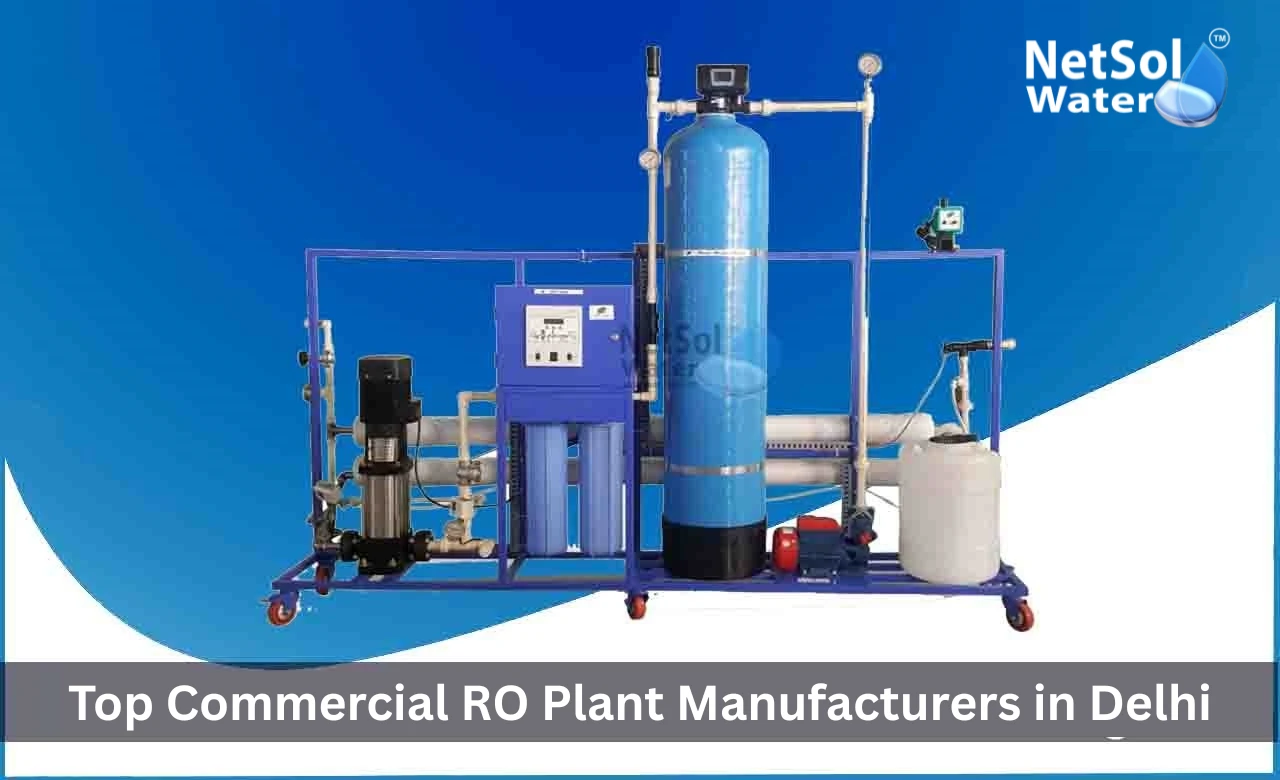
Successfully Installed 24,000 LPH RO Plant at MES BUILDERS ASSOCIATION OF INDIA

Reliable water treatment plays an important role wherever a facility requires a steady supply of treated water for its operations. Water quality can vary depending on the source and local conditions. A suitable treatment system therefore needs to match the required capacity and the intended use of treated water. The installation completed for MES BUILDERS ASSOCIATION OF INDIA demonstrates how a planned RO solution can address a defined water treatment requirement with an installed capacity of 24000 litres per hour.

Netsol Water completed the installation of a 24000 LPH RO plant for MES BUILDERS ASSOCIATION OF INDIA. The project focused on providing a treatment system with sufficient processing capacity for the client’s requirement.

The project also reflects the practical role of Netsol Water as a Commercial RO Plant Manufacturer in Delhi. By matching the treatment system with the specified capacity, the installation created a dedicated water treatment arrangement for the client’s facility.

Project Overview

A commercial water treatment project requires more than simply installing a treatment unit. The selected plant must match the required treatment capacity and support the intended use of the treated water. The 24000 LPH installation for MES BUILDERS ASSOCIATION OF INDIA was planned around this basic requirement. The project provided the client with a dedicated RO treatment system capable of processing water at a rated capacity of 24000 litres per hour.

The main objective was to install a suitable RO plant that could address the client’s water treatment requirement through a defined and organised treatment system. Reverse Osmosis remains widely used where dissolved substances in water need to be reduced through membrane-based treatment. For a commercial installation, the system must also be arranged in a way that allows the treatment process to operate in a controlled and practical manner.

Netsol Water handled the project as a complete installation assignment rather than treating the RO plant as an isolated piece of equipment. The work centred on establishing the plant at the client facility and preparing the system for operation. This included the installation of the specified 24000 LPH RO plant and the necessary site-level execution associated with commissioning the treatment system.

The project scope is important because treatment capacity directly affects how a plant supports an organisation’s water requirement. An undersized system may not provide sufficient treatment output while an unnecessarily large system may create avoidable capital and operating considerations. The 24000 LPH capacity therefore formed the central design reference for the project and guided the installation work.

With the project objective established, the next consideration is the client for whom the treatment plant was installed and the requirement that led to the project.

Client Details

MES BUILDERS ASSOCIATION OF INDIA is the client identified for this RO plant installation. The need for a commercial RO plant indicates a requirement for treated water with a defined processing capacity. Water treatment becomes particularly relevant when an organisation must manage the quality of its available water before using it for its intended purpose. The role of the RO plant in this project was to provide a dedicated treatment stage rather than depending on untreated source water alone.

For the client, the selection of a 24000 LPH plant established a clear treatment capacity. This gave the project a measurable operational reference and provided a system around which water treatment activities could be organised. The installation also helped convert the requirement for treated water into a dedicated treatment infrastructure at the facility.

Since the project was carried out at a client facility, location forms another important part of understanding the installation.

Detail Information
Client MES Builders Association of India
Requirement High-capacity dedicated RO treatment stage
Solution Provided 24,000 LPH RO Plant
Installed By Netsol Water


Project Location

Project location influences the practical planning of any water treatment installation because the available site determines how equipment can be placed and connected. Access to the treatment area, available installation space and the arrangement of the facility can affect execution work. These considerations become especially relevant when a commercial RO plant is installed at an existing site.

For the MES BUILDERS ASSOCIATION OF INDIA project, the exact project address is Sahyog Building, 807,808 58, Nehru Place, New Delhi, Delhi 110019. The location matters from an installation perspective because the plant had to be positioned within the client’s facility in a way that supported its intended operation. The installation team needed to execute the work according to the physical conditions of the site. Proper placement helps create a practical connection between the water source, treatment system and treated water arrangement.

The project location also connects directly with the next consideration, which is the treatment capacity selected for the facility. Once the installation site is established, the capacity of the treatment plant becomes the main reference for the system’s intended performance.

Detail Information
Project Address Sahyog Building, 807,808 58, Nehru Place, New Delhi, Delhi 110019
City New Delhi


Plant Capacity

Plant capacity determines how much water a treatment system can process over a given operating period. Choosing the correct capacity is therefore an essential part of planning a commercial RO installation. The capacity needs to correspond with the intended treatment requirement so that the plant can provide an appropriate volume of treated water during operation.

For this project, Netsol Water installed a 24000 LPH RO plant for MES BUILDERS ASSOCIATION OF INDIA. The notation LPH means litres per hour and identifies the rated water treatment capacity of the installed RO system. At the specified capacity, the plant is designed around the client’s requirement for a high-volume commercial water treatment arrangement.

The selected 24000 LPH capacity gives the client a clearly defined treatment rate. It also provides a practical reference for operating the plant and planning treated water availability. Capacity is particularly important in larger installations because water requirements need to be considered in relation to the treatment rate rather than only the storage volume.

This capacity also establishes the technical context for the selected treatment technology. The system uses Reverse Osmosis as the principal treatment process, making the membrane stage central to the project’s water treatment function.

Parameter Specification
Installed Capacity 24,000 LPH (Litres Per Hour)
Treatment Technology Reverse Osmosis (RO)
Project Site Nehru Place, New Delhi
Plant Type High-Capacity Commercial RO Plant
Design Basis Rated treatment capacity matched to client’s requirement


Treatment Technology

The treatment technology determines how the plant handles the incoming water and what kind of treatment performance it can provide. Reverse Osmosis was selected for this installation and forms the central treatment process within the 24,000 LPH plant.

1. Reverse Osmosis

Reverse Osmosis is a membrane-based water treatment process. In an RO system, water is supplied to a semi-permeable membrane under pressure. The membrane allows water molecules to pass through while restricting many dissolved salts and other unwanted substances. The treated stream that passes through the membrane is known as permeate or RO product water. The concentrated stream carries the rejected dissolved material away from the membrane side.

The process works by applying pressure to overcome the natural movement of water through the membrane. Under normal conditions, water tends to move from a region of lower dissolved concentration toward a region of higher dissolved concentration through a semi-permeable membrane. Reverse Osmosis applies pressure in the opposite direction so that water moves through the membrane while a significant portion of dissolved material remains behind.

For a commercial installation such as the one completed for MES BUILDERS ASSOCIATION OF INDIA, the RO membrane stage provides the main treatment barrier. It allows the plant to process a large water flow while applying a controlled membrane-based separation process.

2. Importance of Pretreatment

RO membranes require suitable feed water conditions because suspended material and certain contaminants can interfere with membrane operation. Pretreatment is normally selected according to the characteristics of the incoming water. It can help reduce substances that may otherwise affect membrane performance.

The specific pretreatment equipment and treatment stages used in this project have not been provided. The project information only confirms the installation of the 24,000 LPH RO plant.

3. Membrane Treatment and Water Separation

The main RO stage receives pressurised feed water and separates it into treated water and a concentrated reject stream. The treatment technology provides the basic framework for the project. Its purpose is to process the available feed water through a membrane-based system so that the client receives treated water from the RO stage at the specified plant capacity.

Understanding the incoming water is equally important because water characteristics influence treatment requirements and membrane operation. The next section therefore focuses on the influent information available for this project.

Influent Characteristics

Understanding the quality of incoming water is an essential step in water treatment planning. Raw water may contain dissolved salts, hardness, suspended matter, microorganisms or other substances that influence the selection and operation of a treatment system. Proper water analysis helps determine what treatment stages are needed and provides a basis for monitoring system performance.

Role of Water Quality Testing

Water quality testing helps identify the treatment challenges that the RO plant needs to manage. TDS can indicate the level of dissolved substances in water. Hardness can affect scaling potential. Turbidity reflects suspended particles that may interfere with downstream treatment. Iron can create fouling concerns under certain conditions. Microbial testing can provide information about biological quality.

These parameters normally help engineers determine the treatment arrangement and operating requirements. With the plant capacity and treatment technology established, it is possible to explain the treatment journey from incoming water to RO-treated water.

Parameter Relevance to Treatment
TDS Indicates the level of dissolved substances in water
Hardness Can affect scaling potential
Turbidity Reflects suspended particles that may interfere with downstream treatment
Iron Can create fouling concerns under certain conditions
Microbial Content Provides information about biological quality


Treatment Process

A proper treatment sequence allows each stage of a water treatment plant to support the next stage. In an RO-based system, raw water enters the treatment arrangement and is prepared for membrane treatment before it reaches the RO stage. The membrane system then separates the treated water from the concentrated stream.

1. Raw Water Entry

The treatment journey begins when incoming water is brought into the treatment system. At this stage, the water represents the source condition that requires treatment. The source water quality determines the treatment load and influences how the RO stage should be operated.

A commercial RO plant needs controlled feed flow because the membrane system depends on a steady and suitable supply of water. Proper handling of the incoming stream helps maintain consistency as the plant moves into the treatment stage.

2. Feed Water Preparation

Before water reaches the RO membranes, the feed normally requires conditions suitable for membrane operation. The exact preparation stage depends on the quality of the incoming water and the plant design. The purpose is to make the feed appropriate for the membrane stage and reduce conditions that could negatively affect its operation.

Because the project records supplied here do not identify specific pretreatment units, this section does not name individual filters or dosing systems as project equipment.

3. Pressure and Membrane Treatment

The prepared feed enters the RO system where pressure drives water through the semi-permeable membranes. The membranes allow a portion of the water to pass through while restricting many dissolved substances.

This stage creates two water streams. The first is the treated permeate stream. The second is the concentrated reject stream containing a higher proportion of the rejected dissolved material.

4. Treated Water Collection

The RO permeate becomes the treated water output of the membrane system. The treated stream can then move into the client’s designated treated water arrangement according to the facility’s requirements. The collection and use of treated water depend on the site layout and intended application.

5. Reject Stream Handling

RO treatment also produces a reject stream because the membrane does not convert all feed water into permeate. The reject contains the material retained by the membrane and must be handled according to the site’s water management arrangement.

The process demonstrates how the different treatment stages fit together around the RO membrane. Equipment selection supports these stages and provides the physical framework required for plant operation.

Stage Function
Raw Water Entry Incoming water is brought into the treatment system; represents the source condition
Feed Water Preparation Conditions the feed to suit membrane operation
Pressure and Membrane Treatment Pressure drives water through the membrane, producing permeate and reject streams
Treated Water Collection Permeate becomes the treated water output for the client’s designated arrangement
Reject Stream Handling Concentrated reject stream is handled per the site’s water management arrangement


Major Equipment

Equipment selection plays an important role in ensuring that a commercial treatment plant can perform its intended function. Each component must support the water flow, pressure requirements and treatment sequence of the system. In an RO plant, the membrane system forms the core treatment stage while associated equipment helps move and control the water.

1. RO Membrane System

The RO membrane system is the central treatment component. It receives pressurised feed water and performs the membrane separation that produces treated permeate and concentrated reject.

The membrane stage defines the core function of the installed RO plant. Its operation needs suitable feed conditions and controlled pressure so that water can pass through the membrane as intended.

2. Flow and Pressure Arrangement

An RO plant also requires a controlled method for moving water through the treatment system. Water must reach the membrane stage at the pressure required for Reverse Osmosis operation.

3. Control and Monitoring

Commercial RO systems also require operating controls and monitoring arrangements so that water flow and treatment conditions can be observed during operation.

Once the plant components are brought to the site, careful installation becomes necessary to turn the treatment design into an operating system.

Equipment Role in the System
RO Membrane System Central treatment component; produces treated permeate and concentrated reject
Flow and Pressure Arrangement Moves water through the system and delivers pressure required for RO operation
Control and Monitoring Allows water flow and treatment conditions to be observed during operation


Installation Process

Plant installation requires proper planning because treatment equipment must be positioned and connected in a logical sequence. The installation team needs to consider the site arrangement while ensuring that the treatment system can receive feed water and deliver treated water as intended.

For the MES BUILDERS ASSOCIATION OF INDIA project, Netsol Water carried out the installation of the specified 24,000 LPH RO plant at the client facility. The work began with preparing the installation area and organising the site for placement of the treatment system. Proper site readiness helps create the conditions required for equipment placement and system assembly.

Equipment placement then formed the next stage of execution. The treatment system needed to be positioned within the available facility area so that the water treatment arrangement could function as a connected system. Correct placement is important because the physical arrangement of equipment affects access, piping and operational convenience.

After positioning the plant, the installation work moved into the connection stage. Water lines and system connections needed to be arranged so that incoming water could reach the treatment system and treated water could move toward the designated outlet or storage arrangement.

The installation also required attention to the relationship between the different treatment stages. A commercial RO plant cannot operate effectively as disconnected individual units. Water must move through the treatment sequence in the correct direction and at suitable operating conditions.

Once the physical installation and connections were completed, the system moved into testing and commissioning. This final stage allowed the team to check the plant before regular operation.

Plant Commissioning

Commissioning provides the transition between installation and routine plant operation. A newly installed RO plant needs to be checked under operating conditions so that the installation team can confirm that the system functions as intended.

After completing the installation of the 24,000 LPH RO plant, the system was prepared for commissioning. The commissioning stage involved checking the installed treatment arrangement and ensuring that the system was ready for operation. A proper commissioning process generally includes verification of connections, water flow and operating conditions before regular use begins.

The treatment flow also needs to follow the intended path from feed water entry through the RO membrane stage and toward the treated water outlet. These checks help identify installation issues before the plant enters normal operation.

Commissioning formed part of the successful installation of the 24,000 LPH RO plant. The process provided the necessary step between completing physical installation work and placing the treatment system into use.

Once the treatment plant was ready to operate, the value of the system depended on how the treated water could support the client’s requirements.

Treated Water Reuse

Treated water becomes most useful when the facility can use it according to its intended application. A water treatment plant is therefore not only about producing treated water. It also needs to provide an output that fits into the client’s overall water management arrangement.

For MES BUILDERS ASSOCIATION OF INDIA, the installed RO plant provides treated water through the RO process at a rated capacity of 24,000 LPH.

The treated water output can support the client’s water management requirement according to the actual use planned at the facility. Efficient use of the output also helps ensure that the value of the installed treatment system extends beyond the plant itself and into daily facility operations.

The practical significance of the project becomes clearer when the available results and measurable outcomes are considered.


Results and Performance

Project results provide the clearest way to evaluate whether an installed treatment solution addressed the defined requirement. In this installation, the most clearly documented result is the successful completion of a 24,000 LPH RO plant installation for MES BUILDERS ASSOCIATION OF INDIA.

The first major outcome is the establishment of dedicated RO treatment capacity at the client’s facility. The installed plant provides a rated processing capacity of 24,000 litres per hour. This creates a defined treatment resource for the client’s water requirement.

The second outcome is the implementation of Reverse Osmosis as the principal treatment technology. The membrane-based process provides a structured method for separating treated water from a concentrated reject stream.

Another important result is the completion of the installation and commissioning sequence. Bringing the plant from site installation to a commissioned treatment system converts the project from an equipment supply requirement into an operational treatment arrangement.

The strongest measurable project result remains the confirmed 24,000 LPH treatment capacity and the successful installation of the RO plant for the client. These documented outcomes show that the project delivered the specified treatment infrastructure without introducing unsupported performance claims.

The client’s perspective provides another useful way to describe the completed project while staying within the available information.

Confirmed Outcome Status
Installation of 24,000 LPH RO Plant Completed
Implementation of Reverse Osmosis Treatment Completed
Installation & Commissioning Sequence Completed
Laboratory/TDS Data Not provided — not included in this case study


Customer Feedback/Testimonial

Customer feedback helps show how a completed installation is viewed from the client’s side. It can also indicate whether the delivered system addressed the requirement for which it was installed.

“We required a high-capacity RO treatment system for our facility and the installation of the 24,000 LPH RO plant provided us with a defined water treatment capacity. The plant was installed for our requirement and gave us a dedicated Reverse Osmosis treatment system for managing the required water treatment process. The completed installation provides a clear treatment arrangement with a rated capacity of 24,000 litres per hour.”

Read some interesting information for the Sewage Treatment Plant Manufacturer in Faridabad

Call to Action (CTA)

A successful water treatment installation begins with a clear understanding of the required capacity and the purpose of treatment. The 24,000 LPH RO plant installed for MES BUILDERS ASSOCIATION OF INDIA shows how a defined commercial water treatment requirement can be addressed through a dedicated Reverse Osmosis system. The project delivered a treatment plant with the required 24,000 LPH capacity and established a structured treatment arrangement at the client’s facility.

Netsol Water works as a Commercial RO Plant Manufacturer in Delhi and provides water treatment solutions for commercial requirements based on the capacity and treatment needs of the site. Proper system selection helps organisations avoid mismatched treatment capacity and supports a more practical approach to water management.

For businesses and institutions evaluating a commercial RO installation, the right starting point is a clear assessment of water requirements, source water quality and expected treatment capacity. Netsol Water can assist in evaluating similar requirements and identifying an appropriate RO treatment solution.

For more information about commercial RO plants or to discuss a water treatment requirement, contact Netsol Water for a consultation and project discussion. A suitable treatment system can help create a structured and dependable approach to managing treated water at commercial facilities.

Contact Netsol Water

Contact Details
Phone +91-9650608473
Email enquiry@netsolwater.com


Successfully-Installed-3000-LPH-RO-Plant-for-Building-Dhawandeep-Society-Connaught-Place-Delhi.webp

September 10, 2026by Netsol Water

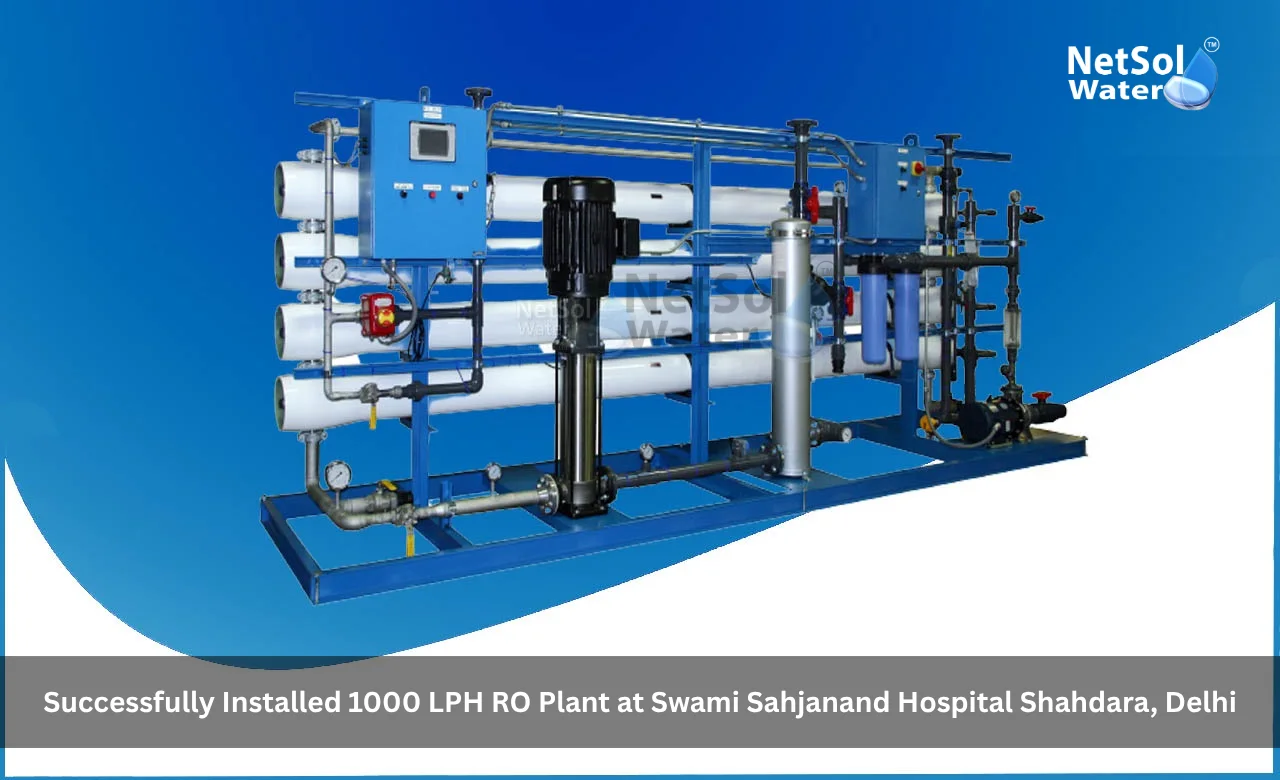
Successfully Installed 3000 LPH RO Plant for Building, Dhawandeep Society, Connaught Place Delhi

Access to suitable water quality is an important requirement for buildings and commercial facilities where water is needed for regular use. A proper treatment system helps manage the available water and provides treated water that can support the intended purpose of the facility. This requirement led Dhawandeep Society in Connaught Place, Delhi to install a 3000 LPH RO plant for its water treatment needs.

Netsol Water completed the installation of the 3000 LPH RO plant at the building. The project focused on providing a practical treatment system that matched the required treatment capacity. RO was selected as the core treatment technology for the plant because it is widely used to treat water through a membrane-based process. The installation gave the client a dedicated water treatment system that could produce treated water at the planned capacity.

The project also reflects the role of proper planning and installation in commercial water treatment. From equipment placement to system connections and commissioning, each stage contributes to the working of the complete plant. As a commercial RO plant manufacturer in Delhi, Netsol Water carried out the project with focus on the stated capacity and the requirements of the site. The following sections explain the project in detail and describe how the installed system supports the facility’s water treatment needs.

Project Overview

A commercial water treatment project needs a system that matches the requirement of the facility and fits the available site conditions. The objective is not only to install treatment equipment but also to establish a complete operating system that can receive incoming water and process it into treated water at the required capacity. The Dhawandeep Society project followed this basic approach.

The client required a Reverse Osmosis plant with a capacity of 3000 litres per hour. Netsol Water took up the installation work and provided the required RO treatment solution for the building. The main objective was to establish a dedicated treatment system that could handle the intended water treatment requirement of the site.

The project scope covered the installation of the RO plant and the associated work needed to place the system into operation. This included arranging the equipment at the site and completing the necessary system connections so that the treatment unit could function as one integrated plant. The work also included commissioning and performance checks before regular operation.

Selecting the appropriate plant capacity was an important part of the project planning. A 3000 LPH system provides a defined treatment output and gives the facility a treatment capacity aligned with the project requirement. With the basic project framework established, the next step is to understand the client and the location where the treatment system was installed.

Client Details

Dhawandeep Society is the client associated with this water treatment installation. The available project information identifies the site as a building located in Connaught Place, Delhi.

Buildings need dependable access to treated water for their intended daily requirements. Water entering a facility may require treatment before it can be used for the planned applications. The need for a dedicated RO plant indicates that the client required a controlled water treatment process rather than relying only on untreated incoming water.

The 3000 LPH RO plant therefore served as the central treatment system for the project. By installing a plant with the required treatment capacity, the client gained a dedicated system designed around the stated requirement. The project also provided a structured treatment setup that could be commissioned and operated as a complete unit.

The location of the project also played an important role in planning the installation. The next section looks at that location and its relevance to the project.

Detail Information
Client Dhawandeep Society
Facility Type Building (residential/commercial society)
Location Connaught Place, Delhi
Solution Provided 3000 LPH RO Plant
Installed By Netsol Water


Project Location

The project was completed at Dhawandeep Society in Connaught Place, Delhi. The location is important because a commercial water treatment installation must be planned around the actual building site. Equipment has to be placed appropriately and connected in a manner that supports the overall water treatment arrangement.

The project location also required the installation team to work within an existing building environment. In such situations, the treatment system has to be integrated into the available space while maintaining a logical connection between the incoming water and the treated water outlet. Proper site planning helps reduce installation problems and supports easier system operation.

For this project, the installation was completed at the identified building location in Connaught Place. The work focused on establishing the 3000 LPH RO plant at the site and preparing the system for regular operation. With the site and project setting defined, plant capacity becomes the next important consideration.

Plant Capacity

Plant capacity determines how much water a treatment system can process over a given period. Choosing the correct capacity helps ensure that the treatment plant matches the intended requirement of the facility. A plant that is too small may not meet the expected demand while a capacity that does not match the requirement may lead to inefficient planning.

For Dhawandeep Society, Netsol Water installed a 3000 LPH RO plant. The term LPH means litres per hour and indicates the treatment capacity of the system. In this project, the installed plant was designed for a treatment capacity of 3000 litres per hour.

The selected capacity gives the facility a defined treatment output and forms the basis for planning the operation of the system. It also provides a clear reference for understanding the size of the installed treatment solution. The capacity was therefore a central part of the project and remained consistent through installation and commissioning.

The installed capacity also connects directly with the selected treatment technology. Once the required output was established, Reverse Osmosis provided the treatment method around which the plant was installed.

Parameter Specification
Installed Capacity 3000 LPH (Litres Per Hour)
Treatment Technology Reverse Osmosis (RO)
Project Site Dhawandeep Society, Connaught Place, Delhi
Plant Type Commercial RO Plant for Building
Design Basis Defined treatment output aligned with the building’s requirement


Treatment Technology

The treatment technology determines how the incoming water will be processed and what type of treatment mechanism the plant will use. For this project, the core technology was Reverse Osmosis. RO is a membrane-based water treatment process that uses pressure to move water through a semipermeable membrane.

1. Reverse Osmosis Process

During Reverse Osmosis treatment, water is directed towards the RO membrane under pressure. The membrane allows water to pass through while restricting many dissolved substances present in the feed water. This produces a treated water stream known as permeate. The remaining concentrated stream is separated from the treated water during the process.

The RO system works as a controlled treatment stage rather than simply storing or transferring water. Water first enters the treatment arrangement and is then directed to the membrane section under suitable operating conditions. The membrane performs the main separation function and produces treated water for the intended application.

2. Role of RO in the Project

The use of RO technology gave Dhawandeep Society a dedicated membrane treatment system with a defined capacity of 3000 LPH. The RO process itself remained the main treatment technology used for the installation.

Understanding the quality of water entering the plant is also important when designing and operating an RO system. This leads to the influent characteristics considered for the project.

Influent Characteristics

Incoming water quality is an important consideration in any water treatment project. Parameters such as dissolved solids, hardness, turbidity, iron and microbial content can influence how a treatment system should be designed and operated. Proper knowledge of the feed water helps determine the treatment requirements and the conditions under which the plant should operate.

For the Dhawandeep Society project, the available information confirms the installation of a 3000 LPH RO plant but does not provide specific laboratory test values for the influent water. RO plants operate more effectively when the incoming water condition is understood before treatment. Feed water characteristics influence the treatment arrangement and can also affect membrane operation.

In this project, the treatment system was installed according to the stated requirement for the building. Once incoming water enters the treatment system, it must follow a controlled treatment sequence. The next section explains that treatment journey.

Treatment Process

A proper treatment process provides an organised path for water to move from the incoming source to the treated water outlet. Each stage should support the next stage so that the complete plant can operate as one treatment system. In the Dhawandeep Society installation, Reverse Osmosis formed the main treatment stage within the installed system.

1. Raw Water Entry

The treatment journey begins when incoming water reaches the plant. This water becomes the feed stream for the treatment system. The raw water must enter the plant through the designated inlet arrangement so that it can move through the treatment stages in the correct sequence.

2. Feed and Treatment Arrangement

The feed water is directed through the treatment setup towards the RO section. The water is prepared and conveyed to the RO stage through the installed treatment arrangement.

3. Reverse Osmosis Treatment

At the RO stage, pressure drives water through the semipermeable membrane. The membrane performs the main separation step and produces treated water from the feed stream. Dissolved substances that do not pass through the membrane remain in the concentrated stream.

4. Treated Water Collection

After passing through the RO membrane, the treated water is collected through the designated outlet arrangement. This treated water becomes the output of the 3000 LPH RO plant and can then be directed for the intended use within the facility.

The complete process depends on the correct functioning of all connected equipment. This makes equipment selection and installation quality important parts of the project.

Stage Function
Raw Water Entry Incoming water reaches the plant and becomes the feed stream
Feed and Treatment Arrangement Feed water is directed through the setup towards the RO section
Reverse Osmosis Treatment Pressure drives water through the membrane; separates permeate and concentrate
Treated Water Collection Treated water is collected through the designated outlet for intended use


Major Equipment

A water treatment plant can perform effectively only when its major components work together in the correct sequence. Proper equipment placement and connection support the movement of water through the system and help establish stable plant operation.

The central equipment in this project was the 3000 LPH RO plant. The RO unit contains the membrane treatment section that performs the main water separation process. It serves as the core of the installed treatment system and determines the stated treatment capacity of the project.

The plant also requires appropriate arrangements for water entry, movement through the treatment section and collection of treated water. The confirmed scope is the installation of the 3000 LPH RO plant for Dhawandeep Society. The installation process then connected the plant to the site requirement and prepared the system for commissioning.

Equipment Role in the System
3000 LPH RO Plant (Core Unit) Contains the membrane treatment section; core of the installed system
Water Entry Arrangement Allows feed water to enter the treatment system
Treatment Section Moves water through the process towards the RO membrane
Treated Water Collection Arrangement Collects and directs treated water for intended use


Installation Process

Plant installation requires careful planning because the equipment must be positioned correctly and connected in a way that supports the intended water flow. Good installation practice also helps the commissioning team test the system without unnecessary interruptions.

The installation at Dhawandeep Society began with preparation of the site for the treatment plant. The team arranged the installation area and prepared the location for equipment placement. Proper positioning was important so that the RO plant could be installed as a functional unit within the building environment.

After site preparation, the 3000 LPH RO plant was placed at the designated location. The installation team then completed the required water and system connections. These connections created a continuous path through which feed water could enter the plant and treated water could leave the system.

The connected plant was then reviewed to ensure that the installation arrangement matched the intended treatment process. The team checked the physical setup and prepared the system for trial operation. This step provided a direct transition from installation work to commissioning.

Plant Commissioning

Commissioning is necessary before regular operation because installation alone does not confirm that a treatment plant is ready for use. The commissioning stage gives the team an opportunity to test the system and verify that the equipment and connections operate together as expected.

For the Dhawandeep Society project, commissioning followed the completion of the installation work. The installed RO plant was put through operational checks so that the system could be assessed before regular use. The team reviewed the functioning of the treatment arrangement and checked that water could move through the plant as intended.

The commissioning stage also provided an opportunity to confirm that the installed system matched the project requirement of 3000 LPH.

Once the plant was checked and prepared for operation, the treated water produced by the system could be considered as the output of the installed treatment process. Its practical use within the facility forms the next part of the project.

Treated Water Reuse

Treated water becomes valuable when the output from the plant can support the intended needs of the facility. A treatment system should therefore be considered not only in terms of water processing but also in terms of how the treated water will be used after production.

For Dhawandeep Society, the installed RO plant provided a dedicated treated water output at a capacity of 3000 LPH.

The important outcome is that the building received an organised water treatment solution capable of producing treated water through the RO process. This creates a structured source of treated water for the intended facility requirements.

The value of the installation can be understood more clearly by looking at the measurable project outcomes and the confirmed benefits of the completed system.

Results and Performance

Project results help show whether the installed treatment solution meets the intended requirement. In this project, the clearest measurable result is the successful installation of a 3000 LPH RO plant at Dhawandeep Society in Connaught Place, Delhi.

The installation established the required RO treatment capacity for the building. The completed system also provided a dedicated process for producing treated water through Reverse Osmosis. These outcomes directly reflect the stated scope of the project.

The project also demonstrates successful completion across the main stages of site installation and commissioning. The plant was installed and prepared for operation as a complete treatment system.

The strongest documented performance outcome is the successful completion and commissioning of the 3000 LPH RO installation. It gave the client a treatment system with a defined capacity and a clear operating process. This practical result forms the basis for the client’s response to the completed work.

Confirmed Outcome Status
Installation of 3000 LPH RO Plant Completed
System Connections (water & equipment) Completed
Plant Commissioning Completed
Laboratory/TDS Data Not provided — not included in this case study


Customer Feedback/Testimonial

Customer feedback provides useful insight into the completion of a water treatment project. It also helps communicate whether the installed system addressed the basic requirement for which it was planned.

The installation of the 3000 LPH RO plant at our building in Dhawandeep Society, Connaught Place, Delhi provided us with a dedicated Reverse Osmosis treatment system as required for the project. The plant installation was completed according to the planned capacity of 3000 LPH. We appreciate the completion of the installation and commissioning work and the establishment of a proper RO treatment setup at our site.

The project gave us a defined water treatment system that is suited to the stated requirement of the building. The successful installation of the plant has provided a clear treatment arrangement for producing treated water through the RO process. We value the completion of the work and the professional execution of the installation.

Read some interesting information for the Industrial RO Plant Manufacturer in Noida

Conclusion

Providing a suitable water treatment system begins with understanding the required capacity and selecting a treatment process that matches the facility’s needs. The installation completed at Dhawandeep Society in Connaught Place, Delhi established a 3000 LPH RO plant for the building and created a dedicated system for treating incoming water through Reverse Osmosis.

The project shows the practical value of proper planning, installation and commissioning. The 3000 LPH capacity provides a defined treatment output while the RO process gives the facility a structured membrane-based treatment method.

Netsol Water brings experience in commercial water treatment solutions and works with clients to develop and install systems according to their treatment requirements. As a Commercial RO Plant Manufacturer in Delhi, Netsol Water can assist businesses, buildings and other facilities that require suitable RO treatment solutions.

For your commercial water treatment requirement, contact Netsol Water to discuss your project, understand the required treatment capacity and explore a suitable RO plant solution for your site.

Contact Netsol Water

Contact Details
Phone +91-9650608473
Email enquiry@netsolwater.com


Successfully-Installed-10000-LPH-RO-Plant-at-Suroj-Buildcon-World-Street-Sports-Center-Delhi.webp

September 9, 2026by Netsol Water

Successfully Installed 10,000 LPH RO Plant at Suroj Buildcon, World Street Sports Center, Delhi

Suroj Buildcon at World Street Sports Center in Delhi required a dependable water treatment solution to meet its operational water needs. For such a facility, the quality and availability of treated water can affect daily activities and the overall management of water resources. The project therefore called for a treatment system that could process the available water and provide a suitable source of treated water for intended use.

We completed the installation of a 10,000 LPH Reverse Osmosis plant at the site. The project focused on providing a practical treatment system that could support the client’s water requirement through a structured purification process. Reverse Osmosis offers a suitable method for reducing dissolved impurities in feed water. It works by pushing water through a semi-permeable membrane under pressure while separating a large part of the dissolved salts and other unwanted substances.

The successful completion of the installation added a dedicated water treatment system to the facility. It also demonstrated the importance of selecting the right plant capacity and arranging the treatment stages in a suitable sequence.

Project Overview

A commercial water treatment project needs more than the installation of a single purification unit. It requires an understanding of the site requirement and a treatment arrangement that can support regular operation. The project at Suroj Buildcon, World Street Sports Center, Delhi was planned around this need. The main objective was to install a suitable RO system with sufficient treatment capacity for the intended application.

The scope of the project included the installation of a 10,000 LPH RO plant. The treatment system was selected to address the need for treated water through membrane-based purification. The project also involved arranging the plant components in a practical sequence so that incoming water could move through the required treatment stages before reaching the final treated water section.

The installation had to suit the project site and provide an organised treatment setup. Proper equipment placement and system connection were important because the treatment process depends on coordination between different components. A well-planned arrangement also supports easier operation and maintenance.

With these requirements in mind, the project moved from planning to installation at the client’s facility. The next section looks at the client and explains the project requirement in relation to the site.

Client Details

Suroj Buildcon was the client for this project. The installation took place at its World Street Sports Center facility in Delhi. The need for an RO plant indicates that the facility required a controlled source of treated water for its intended operations. In a commercial setting, water treatment helps provide better control over water quality when the incoming water contains dissolved substances that need to be reduced. The treatment system can also help create a more consistent source of processed water than relying only on untreated feed water.

For this project, the client selected a system with a 10,000 LPH treatment capacity. That choice established a clear treatment scale for the installation and allowed the plant to be designed around the required output.

The project was carried out at a specific commercial facility in Delhi. Its location was an important part of the installation because the treatment system had to fit the available site conditions and work within the operational setting of the facility.

Detail Information
Client Suroj Buildcon
Facility World Street Sports Center
Location Delhi
Solution Provided 10,000 LPH RO Plant
Installed By Netsol Water


Project Location

The location of a water treatment plant influences how the equipment is arranged and how the system is connected. Commercial facilities often have existing infrastructure and space limitations that must be considered before equipment installation begins. The RO plant at Suroj Buildcon was installed at World Street Sports Center in Delhi.

Delhi is a large urban environment where commercial sites can have varied water sources and different treatment requirements. For a project like this, the treatment system must fit the actual site rather than follow a fixed arrangement. The plant therefore needed to be positioned in a manner that allowed the treatment stages and related connections to function properly.

The World Street Sports Center site provided the setting for the installation of the 10,000 LPH system. The project team had to consider the available installation area and the practical arrangement of the treatment equipment. This helped create a setup that could support the intended treatment process without unnecessary complications.

Once the location and site needs were considered, the next major factor was plant capacity. The treatment output had to match the purpose for which the system was installed.

Plant Capacity

Selecting the right plant capacity is important because an RO system must process enough water to serve the intended requirement. A plant with insufficient capacity may not meet demand when treated water is needed. A suitable capacity provides a defined treatment output and creates a clear operating basis for the facility.

For Suroj Buildcon, Netsol Water installed a 10,000 LPH RO plant. LPH stands for litres per hour. This means the plant has a designed treatment capacity of 10,000 litres of feed water per hour under the relevant operating conditions.

The installed capacity gives the project a substantial treatment scale for commercial use. It provides a clear flow rate for planning the treated water supply within the facility. At the same time, actual production can depend on operating conditions and feed water characteristics. Factors such as membrane performance, pressure, water temperature and feed quality can influence real output.

The 10,000 LPH capacity formed the basis of the treatment system. To achieve effective purification, the plant also needed the right treatment technology. Reverse Osmosis was selected as the main purification process for the project.

Parameter Specification
Installed Capacity 10,000 LPH (Litres Per Hour)
Treatment Technology Reverse Osmosis (RO)
Project Site World Street Sports Center, Delhi
Plant Type Commercial / Industrial RO Plant
Influencing Factors Membrane performance, pressure, water temperature, feed quality


Treatment Technology

The treatment technology determines how the plant removes unwanted substances from water. For this project, Reverse Osmosis served as the primary purification method. RO is widely used in water treatment where the objective is to reduce dissolved salts and other impurities from feed water.

1. Reverse Osmosis Process

Reverse Osmosis works by applying pressure to water and directing it through a semi-permeable membrane. The membrane allows water molecules to pass through while restricting many dissolved salts and other dissolved contaminants. The process produces two streams. One is the treated water that passes through the membrane and the other is the reject or concentrate stream that carries a higher level of rejected dissolved substances.

The performance of an RO plant depends on preparing the feed water before it reaches the membranes. Suspended particles and other substances can affect membrane operation if the water enters the RO section without suitable pre-treatment. Pre-treatment therefore supports the main membrane stage by improving the quality of water entering the RO unit.

2. Role of Membrane Treatment

The RO membrane acts as the central separation stage in the plant. Water passes across the membrane under pressure. The membrane separation process reduces the concentration of dissolved substances in the permeate stream. This makes RO useful when a facility needs a more controlled treated water source.

The technology selected for the Suroj Buildcon project was therefore aligned with the need for membrane-based purification. However, the exact feed water chemistry remains important because RO design depends on incoming water quality. This brings the discussion to the influent characteristics considered for the project.

Influent Characteristics

Understanding the incoming water quality is an important part of designing and operating an RO plant. Feed water characteristics determine the treatment burden placed on the system and influence the level of pre-treatment required before membrane filtration. Parameters such as TDS, hardness, turbidity, iron, suspended matter and microbial content can affect treatment performance.

The importance of feed water quality remains clear. Dissolved salts can increase the load on the RO membrane. Hardness-forming substances can contribute to scaling under unsuitable operating conditions. Turbidity and suspended particles can affect upstream filtration. Iron and other unwanted substances may also need attention depending on the source water.

The treatment system must therefore address the feed water in stages. Pre-treatment prepares the incoming water, while the RO section carries out the primary dissolved impurity reduction. The following section explains how this treatment sequence works.

Treatment Process

A successful RO plant follows a treatment sequence in which each stage prepares the water for the next. This sequence helps protect the major treatment components and improves the overall functioning of the system. At the Suroj Buildcon site, the 10,000 LPH RO plant was arranged around the basic principle of controlled feed water movement followed by membrane purification.

1. Raw Water Entry and Pre-Treatment

The process begins when raw water enters the treatment system. Before the water reaches the RO membrane, it needs appropriate conditioning and filtration. Pre-treatment helps reduce the load caused by particles and other substances that may interfere with downstream equipment.

Depending on the actual feed water condition, pre-treatment can include filtration and other conditioning stages. The purpose is to provide water of a more suitable quality for the RO membrane.

2. Pressure and RO Feed

After the required pre-treatment, the water moves towards the RO section. The RO membrane needs pressure to perform the separation process. A high-pressure arrangement pushes water through the membrane while the membrane restricts many dissolved impurities.

This stage produces the treated permeate stream. It also generates reject water that contains a higher concentration of the substances removed by the membrane. Managing these two streams is an important part of RO operation.

3. Treated Water Collection

The permeate produced by the RO membrane moves into the treated water section for collection and use. The final water quality depends on feed water quality and plant operating conditions. The treatment sequence therefore creates a controlled path from raw water entry to purified water output.

Every stage supports the next. Good pre-treatment helps protect the membrane. Proper membrane operation supports the desired separation. Controlled collection ensures that the treated stream remains available for its intended application.

The treatment process can perform effectively only when the equipment supporting each stage is selected and installed correctly. This makes the major equipment an important part of the project.

Stage Function
Raw Water Entry & Pre-Treatment Conditions and filters incoming water to reduce the load reaching the RO membrane
Pressure and RO Feed High-pressure arrangement pushes water through the membrane, producing permeate and reject streams
Treated Water Collection Permeate moves into the treated water section for collection and use


Major Equipment

Equipment selection has a direct effect on the working of a water treatment plant. Each component performs a specific role and must work in coordination with the other stages. At the Suroj Buildcon project, the equipment arrangement supported the 10,000 LPH RO treatment process.

1. RO Membrane System

The RO membrane system forms the main purification section of the plant. Its function is to separate a large share of dissolved substances from the feed water by using pressure-driven membrane filtration. The permeate becomes the treated water stream while the concentrate leaves as reject water.

2. Feed and Pressure Arrangement

An RO plant needs controlled water flow and pressure so that the membrane can operate within its required conditions. The feed arrangement supplies water to the treatment line and the pressure system supports membrane filtration.

3. Pre-Treatment Equipment

Pre-treatment equipment prepares the feed water before it reaches the RO membrane. Its role is to reduce the effect of suspended matter and other feed water conditions that could interfere with membrane performance.

4. Piping and Interconnections

Piping forms the connection between the different treatment stages. Correct routing is important because the system depends on controlled movement of raw water, treated water and reject water. Proper connections also help reduce the risk of leakage or incorrect flow during operation.

Together, these components create the functional treatment system. Their correct installation was the next step in completing the project.

Equipment Role in the System
RO Membrane System Main purification section; separates dissolved substances from feed water
Feed and Pressure Arrangement Supplies water to the treatment line and supports membrane filtration
Pre-Treatment Equipment Reduces suspended matter and conditions that could interfere with membrane performance
Piping and Interconnections Connects treatment stages and controls movement of raw, treated and reject water


Installation Process

Plant installation requires careful planning because water treatment equipment must work as one connected system. The installation process at the Suroj Buildcon site involved arranging the treatment system so that the major components could function in the required sequence.

The first stage involved preparing the site for equipment placement. The installation area needed to provide sufficient space for the plant and its connections. Equipment was then positioned according to the planned treatment flow. This arrangement helped maintain a logical path from raw water entry through the treatment section to treated water collection.

After placement, the different system components were connected to form the complete treatment line. The required piping connections were arranged between the relevant stages. Electrical and operational connections were also completed as part of the installation process.

Attention to connection and alignment was important because even a properly selected treatment unit can perform poorly when the installation does not support the required flow and operating conditions. The installation team therefore completed the system as an integrated setup rather than treating each component as a separate unit.

After the physical installation was completed, the system moved to the testing and commissioning stage. This step was necessary before regular operation could begin.

Plant Commissioning

Commissioning confirms that an installed water treatment plant is ready for operation. It allows the team to test the system and identify issues that may not be visible during physical installation. For the 10,000 LPH RO plant, commissioning formed the final technical stage before the system could be placed into regular service.

The commissioning process involved checking the installed treatment arrangement and verifying that the equipment and connections worked together correctly. The team assessed water movement through the treatment stages and checked the operating behaviour of the RO section. The system also needed to demonstrate that it could function according to the intended project capacity and treatment arrangement.

Commissioning is particularly important for RO plants because membrane treatment depends on controlled flow and pressure. The team must therefore ensure that the treatment sequence operates correctly before the plant is handed over for regular use.

Once the system passed the required checks, the plant could move into operation. This provided the client with a dedicated treatment system for the intended use of treated water.

Treated Water Reuse

Treating water is most useful when the facility can make effective use of the treated output. An RO plant does not simply improve water quality at the treatment point. It creates a processed water stream that can support the applications for which the system was installed.

At Suroj Buildcon‘s World Street Sports Center facility, the 10,000 LPH RO plant provides treated water for the client’s intended requirement. The practical value of the system comes from providing a dedicated source of treated water that the facility can manage according to its operational needs. The plant capacity and treatment process establish a structured way to produce treated water rather than leaving the facility dependent only on incoming raw water quality.

This treatment arrangement also connects directly with the project’s overall performance. A successful result depends on the plant providing the required treatment capacity while operating as an integrated system.


Results and Performance

Project results help show whether an installed treatment system has met its intended purpose. In this project, the main measurable fact provided is the successful installation of a 10,000 LPH RO plant at the client’s facility.

The completed installation gave Suroj Buildcon a dedicated commercial RO treatment system designed for a capacity of 10,000 litres per hour. This provides the facility with a defined treatment output and a structured process for producing treated water.

The project also established a complete treatment route from feed water entry to RO-based purification and treated water collection. The value of this arrangement lies in its ability to bring water treatment into a dedicated plant system that can be managed and operated for the facility’s requirements.

The successful completion of the installation is itself an important project outcome. It shows that the planned treatment capacity and RO technology were implemented at the specified site. The next measure of project value comes from the client’s response.

Confirmed Outcome Status
Installation of 10,000 LPH RO Plant Completed
Treatment System Connections (piping, electrical) Completed
Plant Commissioning Completed
Laboratory/TDS Data Not provided — not included in this case study


Customer Feedback or Testimonial

Customer feedback provides useful insight into how a completed installation performs from the client’s perspective. It can confirm whether the project met the expected requirement and whether the client was satisfied with the installation and treatment solution.

We are pleased with the installation of the 10,000 LPH RO plant at our World Street Sports Center facility in Delhi. Netsol Water understood our requirement and provided a suitable water treatment solution for the site. The installation was completed professionally and the system was commissioned as planned.

The overall installation process was handled in an organised manner. The team supported us during equipment installation, system connections and commissioning. We appreciate the professional approach taken by Netsol Water and the attention given to completing the project according to our requirement.

The 10,000 LPH RO plant has provided us with a dedicated water treatment system for our facility. We are satisfied with the successful completion of the project and the support provided by the Netsol Water team.

Read some interesting information for the Effluent Treatment Plant Manufacturer in Noida

Conclusion

The installation of the 10,000 LPH RO plant at Suroj Buildcon‘s World Street Sports Center in Delhi created a dedicated water treatment solution suited to the project’s stated requirement. The system uses Reverse Osmosis as its main purification technology and provides a defined treatment capacity of 10,000 litres per hour. From site preparation and equipment placement to system connections and commissioning, each stage contributed to the successful completion of the project.

The project also highlights the importance of choosing the right treatment capacity and arranging the treatment process in a clear sequence. Proper pre-treatment supports membrane operation while the RO stage helps reduce dissolved impurities from the feed water. The completed installation gives the client a structured source of treated water for its intended commercial requirement.

Netsol Water is the leading Commercial RO Plant Manufacturer in Delhi and provides water treatment solutions for commercial and industrial requirements. Businesses looking for a suitable RO plant can discuss their water source, treatment needs and required capacity with the Netsol Water team.

For information about RO plant solutions or to discuss a similar requirement, contact Netsol Water for a consultation.

Contact Netsol Water

Contact Details
Phone +91-9650608473
Email enquiry@netsolwater.com


Successfully-Installed-1000-LPH-RO-Plant-at-Swami-Sahjanand-Hospital-Shahdara-Delhi.webp

September 8, 2026by Netsol Water

Successfully Installed 1000 LPH RO Plant at Swami Sahjanand Hospital Shahdara, Delhi

Swami Sahjanand Hospital in Shahdara, Delhi required a suitable water treatment system to support its operational water needs. To address this requirement, we successfully installed a 1000 LPH RO plant at the hospital premises. The project focused on providing a practical water treatment solution that could produce treated water at a steady rate while fitting the requirements of the facility.

Water treatment requires careful planning because the treatment system must match the required output and the quality of the incoming water. A properly selected RO plant can help reduce dissolved impurities and improve the quality of treated water. For an institutional facility such as a hospital, having a planned water treatment system also helps create a more controlled approach to water management.

We approached the project with attention to plant capacity, treatment stages, equipment selection, installation and commissioning. The 1000 LPH capacity was selected for the stated project requirement. The installation then moved through site preparation, equipment placement, system connections and performance checks. The completed installation demonstrates how a Commercial RO Plant Manufacturer in Delhi can provide a treatment solution based on a specific site requirement without adding unsupported features or claims.

Project Overview

A water treatment plant must address the actual needs of the facility where it operates. The project at Swami Sahjanand Hospital was planned around the requirement for a 1000 LPH RO plant. The objective was to install a treatment system that could provide treated water at the required production rate and operate as an integrated plant rather than as a collection of separate components.

The scope of the project included the installation of the RO treatment system along with the associated equipment and connections required for operation. Netsol Water handled the installation process and prepared the system for commissioning after completing the necessary site work.

The project also required coordination between plant equipment and the available site conditions. Correct placement of the equipment was important because the treatment stages need to work in a defined sequence. The raw water first enters the treatment arrangement and passes through the required stages before reaching the RO membrane section. The treated water then moves toward the designated storage or use point.

The overall goal was therefore to create a functioning water treatment arrangement that matched the hospital’s stated capacity requirement. Once installation was completed, the plant was tested and commissioned so that the system could move from installation to regular operation.

Client Details

Swami Sahjanand Hospital is the client facility for this project. The project information identifies the facility as a hospital located in Shahdara, Delhi. A hospital environment has a clear need for dependable water management because water forms part of many routine activities within a healthcare facility. The treatment requirement for this project was addressed through the installation of a dedicated 1000 LPH RO plant. The plant was intended to provide treated water based on the specified capacity rather than depending only on untreated incoming water.

Selecting the right treatment arrangement also helps a facility manage water quality in a more structured manner. The RO system gives the client a defined treatment process through which incoming water passes before treated water is produced. This creates a clear path from raw water intake to treated water output.

For Netsol Water, understanding the client’s requirement was therefore an important part of the project. The treatment system had to match the specified output and had to be installed in a way that supported proper plant operation at the hospital site.

Detail Information
Client Swami Sahjanand Hospital
Facility Type Hospital (institutional/healthcare facility)
Location Shahdara, Delhi
Solution Provided 1000 LPH RO Plant
Installed By Netsol Water


Project Location

The location of a treatment plant affects how the installation is planned and executed. Every site has its own available space, access conditions and connection points. The project was carried out at Swami Sahjanand Hospital in Shahdara, Delhi. The urban setting made proper planning of equipment placement and system connections important during installation.

The treatment plant needed to be positioned in a suitable area where the equipment could operate correctly and where the required piping and electrical connections could be completed. The installation team also needed to consider the physical arrangement of the treatment system so that the water could move through the process in the intended sequence.

The location also gives the project practical relevance for institutions in Delhi that need dedicated water treatment systems. The successful installation reflects the ability of a Commercial RO Plant Manufacturer in Delhi to execute an RO plant project at an operating institutional site while keeping the system focused on the specified requirement.

Plant Capacity

Plant capacity determines how much treated water a system can produce within a given period. Choosing a capacity that matches the intended requirement helps prevent a mismatch between plant output and actual use. A system with an unsuitable capacity may not serve the intended purpose efficiently. For this reason, capacity selection formed an important part of the project planning.

For Swami Sahjanand Hospital, the installed RO plant has a capacity of 1000 litres per hour. This means the plant is designed to produce treated water at a nominal rate of 1000 litres per hour under the applicable operating conditions.

The selected capacity provides the hospital with a defined level of treated water production. It also gives the facility a treatment system that has been sized for the requirement stated for this project. The 1000 LPH rating is therefore one of the key specifications of the installation.

Capacity alone does not determine plant performance. The complete treatment system must work together so that the raw water reaches the RO section in suitable condition and the plant can continue to produce treated water as intended. This makes the treatment technology and process arrangement equally important.

Parameter Specification
Installed Capacity 1000 LPH (Litres Per Hour)
Treatment Technology Reverse Osmosis (RO)
Project Site Swami Sahjanand Hospital, Shahdara, Delhi
Plant Type Institutional / Commercial RO Plant
Design Basis Defined production rate matched to hospital’s requirement


Treatment Technology

The project uses Reverse Osmosis as the main water treatment technology. RO is widely used when water needs treatment to reduce dissolved impurities. The process works by applying pressure to water and directing it through a semi-permeable membrane. The membrane allows water to pass while restricting many dissolved substances and other contaminants.

For this project, the RO membrane forms the central treatment stage. However, the membrane does not function independently. Proper pretreatment supports the RO process by preparing the incoming water before it reaches the membrane. This helps the complete system follow an orderly treatment sequence.

1. Reverse Osmosis Process

During RO operation, raw water is brought to the membrane section at suitable pressure. The pressure drives water through the membrane. A portion of the incoming water passes through the membrane as treated water while the concentrated stream leaves through the reject or concentrate side.

The RO membrane is therefore responsible for the main separation step in the treatment process. Its performance depends on several operating conditions including feed water quality, pressure and the condition of the pretreatment stages.

2. Importance of Pretreatment

Pretreatment supports the RO membrane by removing or reducing materials that can interfere with membrane operation. Suspended matter and other unwanted materials can place an unnecessary load on the membrane when they are not controlled before the RO stage.

The treatment system therefore uses preceding stages to prepare the feed water. Once the water reaches a suitable condition, it enters the RO section for the main separation process. This arrangement gives each treatment stage a clear role and allows the system to work as a connected process.

Influent Characteristics

Understanding the incoming water is essential before selecting and operating a treatment system. Feed water quality can affect membrane performance, pretreatment requirements and overall operating conditions. Parameters such as TDS, hardness, turbidity, iron and microbial content can influence how a treatment plant should be designed.

The treatment system was installed to process the available incoming water and produce treated water through the specified RO arrangement. The pretreatment stages provide the initial conditioning required before water reaches the RO membrane. This preparation is important because the membrane section performs the main dissolved impurity reduction.

Influent characteristics can also change with the source and local conditions. Regular monitoring is therefore useful for understanding whether operating conditions remain suitable over time.

Treatment Process

A properly arranged treatment process helps water move through the plant in the correct order. Each stage prepares the water for the next stage and supports the overall performance of the system. At Swami Sahjanand Hospital, the treatment sequence is centred on pretreatment followed by RO purification.

1. Raw Water Entry

The process begins when raw water enters the treatment system. At this stage, the incoming water contains the impurities that the treatment plant is designed to reduce. The water then moves into the pretreatment section so that it can be conditioned before reaching the RO membrane.

2. Pretreatment Stage

Pretreatment forms the first major treatment step after raw water entry. Its purpose is to improve the condition of the feed water before the RO stage. Depending on the system arrangement, pretreatment equipment can help control suspended matter and other substances that may affect downstream equipment.

By preparing the water before membrane treatment, the pretreatment section creates better operating conditions for the RO unit. This makes the relationship between the stages important. The pretreatment stage does not replace RO. Instead, it supports the membrane treatment stage.

3. High-Pressure Feed to RO

After pretreatment, the water is directed toward the RO section. The RO system requires pressure to force water across the semi-permeable membrane. The high-pressure arrangement therefore becomes the next important step in the treatment sequence.

The feed water reaches the membrane under pressure and the separation process begins. The membrane allows a portion of water to pass through while retaining many dissolved substances.

4. RO Membrane Separation

The membrane section is the main treatment stage of the plant. Water passing through the membrane becomes the treated product stream. The remaining concentrated stream is separated from the product water and is managed through the system’s reject arrangement.

This stage determines the main purification action of the plant. The performance of the membrane depends on proper feed conditions and correct operation of the supporting equipment.

5. Treated Water Collection

After membrane separation, the treated water moves toward the designated collection or storage point. The treated water then becomes available for the intended application at the facility.

The complete process therefore follows a connected path from raw water intake through pretreatment and pressurisation to membrane separation and treated water collection. This sequence helps the 1000 LPH plant operate as one integrated treatment system.

Stage Function
Raw Water Entry Incoming water enters the system carrying impurities the plant is designed to reduce
Pretreatment Stage Improves feed water condition before it reaches the RO stage
High-Pressure Feed to RO Pressurised water is directed toward the membrane for separation
RO Membrane Separation Water is separated into treated product stream and concentrated reject stream
Treated Water Collection Treated water moves to the designated collection/storage point


Major Equipment

Equipment selection directly affects how a treatment plant operates. Each component has a specific function and must work with the other parts of the system. For the hospital project, the major equipment forms the operating structure of the treatment plant.

1. Pretreatment Equipment

Pretreatment equipment prepares the raw water before it enters the RO section. It helps reduce the load placed on the membrane by controlling the materials that could interfere with membrane operation.

2. Feed and High-Pressure Pumping System

Pumping equipment moves water through the treatment stages and provides the pressure required for RO operation. The high-pressure pump is particularly important because the membrane separation process depends on sufficient pressure to move water through the membrane.

3. RO Membrane Assembly

The RO membrane assembly carries out the main separation process. It divides the feed into treated water and concentrated reject water. The membrane is therefore the central treatment component in the plant.

4. Control and Connection Arrangement

The plant also requires suitable piping, valves, electrical connections and control arrangements to link the treatment stages. These connections allow water to move through the process and allow the operator to manage the plant during operation.

Together, these components form the complete treatment arrangement. Proper integration is important because the performance of one section can affect the operation of the next.

Equipment Role in the System
Pretreatment Equipment Prepares raw water and reduces the load placed on the membrane
Feed & High-Pressure Pumping System Moves water through the stages and provides pressure for RO operation
RO Membrane Assembly Carries out the main separation into treated water and reject water
Control & Connection Arrangement Piping, valves, electrical and control components linking the stages


Installation Process

Plant installation requires careful execution because the equipment must be placed correctly and then connected into a working treatment system. At the hospital site, the installation process followed a logical sequence so that the plant could move from physical placement to testing.

The work began with site preparation and assessment of the area selected for the treatment plant. The installation team considered the available space and the points needed for water, drainage and other system connections. Preparing the site first created a suitable base for equipment installation.

The major plant components were then positioned according to the treatment layout. Correct placement was important because the stages needed to remain connected in the required process sequence. The team arranged the equipment so that water could move from pretreatment toward the RO section without unnecessary complications.

After positioning the equipment, the required piping connections were completed. These connections linked the raw water side, treatment stages, RO section, treated water outlet and reject stream. Proper valve and pipe connections helped establish the intended flow path.

Electrical connections were then completed for the powered equipment and control arrangements. The installation team checked the physical and operational connections before moving toward commissioning.

The final installation stage involved reviewing the complete system. This included checking whether the equipment was properly connected and whether the treatment sequence was ready for testing. Once these checks were completed, the plant was prepared for commissioning.

Plant Commissioning

Commissioning marks the transition between installation and regular plant operation. It allows the team to verify that the equipment works together as intended and that the water treatment process is operating according to the project requirement.

At the hospital site, commissioning involved checking the installed system and operating the plant under controlled conditions. The team reviewed the water flow through the connected stages and checked the operation of the pumps and RO section.

The commissioning process also provided an opportunity to identify installation issues before regular use. Piping, valves and electrical connections were checked to confirm that the complete arrangement functioned correctly.

The plant was then run to confirm its operational readiness. The 1000 LPH capacity served as the principal plant specification for the project. The successful completion of commissioning indicated that the installed RO system was ready to support the intended water treatment requirement.

Treated Water Reuse

Effective use of treated water is an important part of any water treatment project. Producing treated water is only one part of the process. The facility must also use the treated output according to its intended requirement.

For Swami Sahjanand Hospital, the installed 1000 LPH RO plant provides treated water for the facility’s intended water treatment needs. The RO system gives the hospital a dedicated source of treated water from the installed treatment process. This creates a structured route from incoming raw water to treated water production. The availability of a dedicated treatment plant also provides the facility with a defined treatment capacity that can be managed through the plant’s operating routine.


Results and Performance

Project results provide a practical measure of whether the installed system meets its intended purpose. In this project, the main measurable outcome is the successful installation and commissioning of a 1000 LPH RO plant at Swami Sahjanand Hospital.

The plant now provides a dedicated RO treatment system with a nominal production capacity of 1000 litres per hour. This directly addresses the specified requirement for the project and gives the facility a defined treatment capacity.

The installation also established a complete treatment sequence that includes pretreatment, pressurisation, RO membrane separation and treated water collection. Each stage supports the next and allows the system to operate as an integrated plant.

The successful completion of the installation and commissioning remains an important project outcome. It shows that the treatment system was installed, connected and prepared for operation at the hospital site. For a Commercial RO Plant Manufacturer in Delhi, completing this type of project also demonstrates practical capability in delivering treatment systems for institutional requirements.

Confirmed Outcome Status
Installation of 1000 LPH RO Plant Completed
Pretreatment, Pumping & Piping Connections Completed
Plant Commissioning Completed
Laboratory/TDS Data Not provided — not included in this case study


Customer Feedback or Testimonial

Customer feedback provides useful insight into the completion and practical acceptance of an installation. It can also show whether the delivered system met the requirement for which it was installed.

The Netsol Water team completed the 1000 LPH RO plant installation on schedule and with clear communication throughout the process. The system has been operating reliably and meets our facility’s requirement. We needed a dependable water treatment solution for the hospital, and Netsol Water delivered exactly that. The plant has performed consistently since commissioning, and their team stayed professional from planning through installation.

Read some interesting information for the Commercial RO Plant Manufacturer in Noida

Conclusion

Reliable water treatment begins with a clear understanding of the requirement, followed by suitable capacity selection, process design, equipment integration and careful installation. At Swami Sahjanand Hospital in Shahdara, Delhi, Netsol Water successfully completed the installation and commissioning of a 1000 LPH RO plant to address the stated water treatment requirement.

The project brought together pretreatment, RO membrane treatment, pumping, piping and control connections into one working system. The installed capacity gives the facility a defined treated water production rate while the RO process provides the main separation step required for water purification.

Netsol Water continues to serve institutional and commercial requirements as a Commercial RO Plant Manufacturer in Delhi. Businesses, hospitals and other facilities that need a suitable RO treatment solution can discuss their water requirement, plant capacity and site conditions with the Netsol Water team.

For more information about RO plants and water treatment solutions, contact Netsol Water to discuss your requirement and request a suitable consultation.

Contact Netsol Water

Contact Details
Phone +91-9650608473
Email enquiry@netsolwater.com


5-Best-Commercial-RO-Plant-Manufacturers-in-Delhi.webp

June 7, 2025by Netsol Water

5 Best Commercial RO Plant Manufacturers in Delhi

It is important to find a good commercial RO plant manufacturer for companies that rely on pure and clean water. From the hospitality industry, hospitals, schools, and industries, a well-constructed RO lant can provide safe water every day. If you are Delhi-based and want to know about reliable manufacturers in the business, you are on the right page. Here, we will also feature the 5 Best Commercial RO Plant Manufacturers in Delhi.

5 Best Commercial RO Plant Manufacturers in Delhi

1. Netsol Water – Reliable Manufacturer of RO Solutions

We at Netsol Water have established ourselves as among the top commercial RO plant manufacturers in Delhi based on quality, performance, and customer satisfaction. We provide a vast array of commercial RO plants catering to the specific requirements of various industries.

We stand out with our after-sales service and dedication to innovation. We employ the finest-quality components, high-performance membranes, and leading purification technology to provide customers with efficient water treatment solutions. Whether small-scale or large industrial applications are your need, we offer energy-saving systems that are durable.

Our organization also delivers end-to-end installation, assistance, and maintenance services so that your RO plant keeps functioning at maximum efficiency. When companies consider reliable and cutting-edge RO plants in Delhi, they consider us.

2. Urban RO Systems

Urban RO Systems is another best commercial RO plant manufacturers in Delhi that provides commercial RO plants to different industries. They are well-liked for their customized solutions and quick customer support. With a large network and experience of many years, Urban RO Systems has effectively catered to restaurants, schools, and other institutions within the city.

Their RO plants are designed using tried and tested technology and come with AMC (Annual Maintenance Contracts), allowing clients to remain stress-free regarding system maintenance.

3. Aqua Pristine

Aqua Pristine has been in the business of water treatment for decades and is among the leading commercial RO plant manufacturers based in Delhi. Aqua Pristine provides customized RO systems that match the precise requirements of clients belonging to various business sectors.

Their customer-oriented design and quality make them the best among the rest for those in need of reliability. They also provide post-installation service and technical support to guarantee hassle-free plant operation.

4. Wave Water Solution

Wave Water Solution is another well-known name among RO manufacturers in Delhi. With their state-of-the-art infrastructure and technical expertise, they produce RO plants that ensure effective purification on a commercial scale

The company is valued for providing affordable solutions without sacrificing quality. Their systems have multiple capacities, and they provide complete assistance for site visits, system installation, and post-sale maintenance.

5. Indian Ion Exchange

Indian Ion Exchange has a strong presence in the commercial RO segment in Delhi. They design and supply RO plants that serve hotels, offices, malls, and hospitals. Their expertise lies in creating systems that are easy to use, durable, and require minimal maintenance.

Their dedicated team offers consultation and site assessment services before suggesting the right RO setup for clients. This personalized approach has earned them a reliable position in the market.


Why Choosing the Right Manufacturer Matters

Choosing the right manufacturer for a commercial RO plant is not just about price. It’s about quality, performance, and long-term service. The best commercial RO plant manufacturers in Delhi offer:

  • Tailored Solutions: Not every company has identical water requirements. A quality manufacturer will offer solutions designed to meet your needs.
  • Durable Components: Durable membranes, pumps, and filters make your plant run well and save cost of operations.
  • Genuine After-Sales Support: Proper maintenance, availability of spare parts, and professional advice help ensure the system runs continuously without interruption.
  • Installation & Training: Careful installation and training of employees ensure the system works efficiently from day one.
  • Environment Compliance: Leading manufacturers adhere to all government and environmental regulations to provide safe and environmentally friendly operations.

Why Netsol Water Should Be Your First Choice among the 5 Best Commercial RO Plant Manufacturers in Delhi.

We at Netsol Water don’t stop at simply selling commercial RO plants. We aim at establishing a long-lasting relationship with the customer. From requirement understanding to designing, installation, and maintenance of the system, we provide total solutions at one place.

Our staff consists of water treatment professionals who infuse every project with their vast expertise. This is why numerous of our clients keep coming back to us year in and year out. We employ the newest technologies to ensure that our RO plants are industry standard and ready for the future.

When people ask for the best commercial RO plant manufacturers in Delhi, our name comes up not just because of our quality but because of the trust we have earned.

Conclusion

Clean water is key to any business, and an efficient RO plant can turn the game around. From energy-saving to maintaining purity consistency, your manufacturer’s choice can be a game-changer. The 5 best commercial RO plant manufacturers in Delhi such as Netsol Water, Urban RO Systems, Aqua Pristine, Wave Water Solution, and Indian Ion Exchange, bring you not only a machine—but a comprehensive water treatment solution.

If you are thinking of investing in a trusted commercial RO plant, we at Netsol Water can assist you. Our professionals stand ready to assist you and provide a solution that is best for your business needs. Get in touch with us now and feel the difference that quality engineering can offer.

Do you need an advice or assistance on selecting the best water and waste water treatment unit? We have solutions for all your problems!

Let us know your problem, our experts will make sure that it goes away.

For an assistance or related query,

Call on +91-9650608473

Or write us at enquiry@netsolwater.com


10-Best-Commercial-RO-Plant-Manufacturers-in-Delhi.webp

May 29, 2025by Netsol Water

10 Best Commercial RO Plant Manufacturers in Delhi

Delhi stands as a centre for water treatment solutions as the capital of India needs that the most. The city has many reliable companies that build commercial RO plants. These systems serve offices and factories. They protect machines and they offer safe drinking water. Businesses rely on them to maintain smooth work flow. They also meet strict quality norms. Finding a strong manufacturer in Delhi can feel hard. You need quality units and prompt support. You also need systems with valid certifications.

Here we enlist the 10 Best Commercial RO Plant Manufacturers in Delhi and feature Netsol Water as a leading choice.


10 Best Commercial RO Plant Manufacturers in Delhi

1. Netsol Water

Selecting the right manufacturer brings clear benefits. A trusted partner gives you solid designs and fast support. Let us have a look at some of the reasons Netsol Water leads the market.


Company Profile

Netsol Water began its journey in Delhi more than a decade ago. It grew by focusing on quality and long term ties with clients. The firm now serves a wide range of industries. It builds custom RO plants and it manages installation.


Product Range

The company offers units from 500 litres per hour up to 50000 litres per day. Each system comes with stainless steel frames. The designs work well under tough conditions. They reduce waste and they use energy with care.


Certifications and Standards

Netsol Water holds ISO 9001 approval. It also holds WQA certification for its membranes. These marks prove the plants meet high global norms.


After-Sales Support

The service team works day and night in Delhi. They perform regular checks and fast repairs. They keep stock of spare parts in their local warehouse. They act on service calls within 24 hours.


Why Clients Choose Netsol Water

Clients praise the company for its clear quotes and honest work. The team guides them from design through start-up. They train staff to run and maintain the plants. Each project ends with a test report and user manual.

2. Kent RO Systems

Kent RO holds a strong presence in Delhi. It offers advanced electronic controllers. The firm builds plants up to 20000 litres per day. It stacks filters and pumps with a sturdy frame. Clients enjoy low power use and easy panel control. Kent holds ISO approvals and lab tests for its membranes.

3. Eureka Forbes

Eureka Forbes serves businesses with models up to 15000 litres per day. The company uses Italian pumps and US membranes. It tests each unit in its Delhi plant. It offers annual maintenance plans and staff training.

4. Ion Exchange India

The company earns praise for its stromg designs. . It delivers plants from 1000 to 30000 litres per day. It holds ISO 9001 and 14001 certificates. It serves pharma firms and schools with tailored units.

5. Pure Aqua

Pure Aqua sets high service marks in Delhi. The company builds units up to 25000 litres per day. It uses modular designs for quick fits. It offers remote monitoring and spare part kits.

6. Aquatech Systems

This company earned a solid name for custom builds. Let us have a look at some details. It offers systems for hotels and malls. It holds ISO 9001 and CE approvals. It also manages turnkey projects and tests each unit.


7. AquaSure

AquaSure brings simple plants for small and mid-size firms. Units range from 500 to 10000 litres per day. The firm fits PLC panels and auto flush. It offers yearly service contracts and online support.


8. Enviro Water Solutions

This maker focuses on low waste designs. Let us have a look at some strengths. Plants use water recovery tech to cut waste. Units work from 1000 to 20000 litres per day. The firm trains client staff and it ships spare parts quickly.


9. Blue Star

Blue Star earns trust with its metal free modules. It builds plants up to 15000 litres per day. The firm meets ISO and CE standards. It installs and tests each unit in its own lab.

10. Culligan India

Culligan blends global designs with local support. Let us have a look at some features. Units go from 2000 to 30000 litres per day. The firm uses smart monitors and mobile alerts. It backs each system with field engineers in Delhi.


Conclusion and Call to Action

Choosing any of the 10 Best Commercial RO Plant Manufacturers in Delhi can boost your water quality and protect your operations. Each firm on this list meets strict norms and it offers solid support. If you seek more details on these makers or wish to compare quotes please get in touch today. Request a consultation now to find the right commercial RO plant partner in Delhi.

Contact Netsol Water at:

Phone: +91-9650608473

Email: enquiry@netsolwater.com


Delhis-Most-Recommended-Commercial-RO-Manufacturer.webp

May 19, 2025by Netsol Water

Delhi’s Most Recommended Commercial RO Manufacturer

Delhi attracts visitors from all over India and beyond. Ensuring clean and safe water is crucial for businesses, schools, and hotels that serve thousands of people each day. Netsol Water has earned a reputation as the leading Commercial RO Plant Manufacturer in Delhi. Its solutions deliver reliable water quality and steady supply. We will explore why businesses choose Netsol Water and how its offerings meet the unique demands of Delhi’s commercial sector.

Why Choose Netsol Water

Understanding why a manufacturer stands above competition helps decision makers select the best partner. Netsol Water builds its reputation on two key strengths. It brings years of experience to each project and it supports clients at every step. Let us have a look at some core aspects that make Netsol Water the preferred choice.

Proven Expertise

Netsol Water holds a strong track record of delivering commercial RO Plants across Delhi. Its team carries deep knowledge of water treatment and a clear grasp of local water challenges. They design solutions that match specific site conditions. They adapt equipment size and flow to daily demands. Each installation meets strict performance goals.

Their engineers take careful steps from initial survey through final testing. They verify water quality at every stage and adjust settings until the output meets client standards. This hands on approach prevents errors and reduces the time needed to bring a plant online. Business owners gain confidence from this precise method.

Dedicated Support

Netsol Water sets itself apart by offering ongoing support after the plant begins operation. They train staff on maintenance routines and monitor performance remotely. They share best practices for filter changes and sanitization. Their customer care team answers queries quickly without delays.

When routine checks reveal any issues technicians arrive on site without waiting for a request. They resolve problems before a client notices any drop in water quality. This keeps downtime to a minimum and ensures that businesses face no interruption in their water supply.

Key Features of our Commercial RO Plants

Netsol Water embeds design details that save energy reduce waste and simplify maintenance. Let us have a look at some features that its Commercial RO Plants offer.

High Flow Capacity

Commercial settings often need large volumes of purified water every hour. Netsol Water configures each RO Plant to deliver high output without straining pumps. It uses membranes with optimized surface area and pore size. This design passes water through quickly while removing impurities effectively. The result stays consistent even when inlet pressure shifts. Clients benefit from steady water flow for kitchens labs and cooling towers.

Energy Saving Design

Netsol Water minimizes power use with efficient pump selection and smart control panels. These panels adjust pump speed to match real time demand. They power down pumps during low usage hours. They power them back up automatically when demand rises. This smart control reduces energy use compared to systems that run at full speed continuously. Clients notice lower electricity bills and a smaller environmental footprint.

Our Process for Commercial RO Plant Installation

Netsol Water follows defined stages from concept to launch. This approach ensures that every installation meets timelines stays within budget and displays peak performance. Let us have a look at why Netsol Water is a leading Commercial RO Plant Manufacturer in Delhi.

Initial Site Assessment

The first step begins with a detailed visit to the client location. Netsol Water engineers measure inlet water quality and record daily volume needs. They inspect space availability for equipment and plan piping routes. This data feeds into a personalized design that fits the site conditions precisely. Clients gain a clear picture of required space power connections and installation schedule.

Ongoing Maintenance

After the plant goes live Netsol Water sets a maintenance calendar for filter replacements membrane cleanings and system checks. Technicians follow defined checklists and record data in a digital log. Clients receive monthly reports that show system health and any recommended actions. This transparent process helps clients plan budgets for consumables and guards against unexpected faults.


Conclusion

As the leading Commercial RO Plant Manufacturer in Delhi Netsol Water delivers reliable performance from initial design through lifetime support. If you seek a dependable partner for your water needs you can contact Netsol Water today to learn how its solutions can help you maintain quality and control costs. Reach out now to request a consultation or more information on installing a Commercial RO Plant that will serve your business for years to come.

Phone: +91-965-060-8473

Email: enquiry@netsolwater.com


Built-on-Trust-and-Technology-–-Commercial-RO-in-Delhi.webp

May 16, 2025by Netsol Water

Built on Trust and Technology – Commercial RO in Delhi

Clean water is essential for every office, hotel, and factory. Without proper treatment, equipment can fail, and health can be compromised. Netsol Water is a leading commercial RO plant manufacturer in Delhi. We combine years of trusted experience with the latest technology to provide water that meets all needs. We will explore why Netsol Water stands out as the leader.

Trust and Technology

Trust grows from proven delivery and clear service. Technology drives precision and efficiency. Netsol Water merges both to make plants that work from day one and stay strong for years. Let us have a look on how we pair human insight with smart controls to set new standards in Delhi.

Our team visits each site and tests the feed water in real conditions. We measure hardness, dissolved solids and mineral content under real operating loads. We log every reading in a secure portal that feeds our design engine. This mix of field insight and data drives each plan from the first sketch to final handover.

Our engineers then select each component through both lab tests and vendor audits. We only choose parts that pass both our own trials and global benchmarks. This dual check gives clients confidence that their plant will stand up to Delhi’s demands without surprise failures or high running costs.

Smart Control and Monitoring

We fit each plant with a control panel that guides operators through every step. The panel shows real-time pressure and flow readings on clear gauges. It links to a digital display that logs data for trends. We add simple switches to start and stop pumps. We place warning lights that glow when a filter needs service. This design reduces the chance of operator error and it speeds up troubleshooting.

Data-Driven Design

We feed every lab result into our design software. The software models pressure drops, flow rates and membrane life under your site’s exact conditions. It predicts chemical dosing needs down to the last millilitre. It then tunes each skid layout to balance footprint and output.

Core Features of Our Commercial RO Plants

Netsol Water only uses components that pass our strict tests. Let us have a look on some features that makes us the leading Commercial RO Plant Manufacturer in Delhi.

Advanced Pre-Treatment Stage

Pre-treatment clears sand, silt and chlorine before water reaches membranes. We install multi-stage filters that trap ever-smaller particles in each pass. The first stage catches large debris. The second stage filters finer sand and rust. The third stage uses activated carbon to remove chlorine and organics. This layered design protects membranes and extends their life without extra hands-on care.

High-Precision Membrane Arrays

Membranes lie at the core of each plant. We fit the latest thin-film composite membranes that remove dissolved solids with high accuracy. Each membrane sits in a rack that holds many units in a row. We also place pressure gauges at the input and output of each rack so you can spot fouling early.

User-Friendly Control Panels

Each plant comes with a panel that displays key readings on analog gauges and on a simple digital screen. The screen logs data for each cycle and it shows trends. We place large pushbuttons to start and stop pumps. We also add indicator lamps that glow when a filter needs service. This clean layout helps operators of all skill levels run the plant with confidence.

Installation and Dedicated Support

Netsol Water plans every phase to avoid delays and to deliver a plant that works from day one. Let us have a look on how we handle setup and support.

Detailed Installation Process

We start with a site audit that marks inlet and outlet points on your floor plan. We run 3D scans if we need to map complex layouts. We then prefabricate skids and pipe racks in our workshop. On arrival we place each skid with cranes and we anchor it to your concrete base. We link pipes with welded joints that meet industry standards. We fill each module with water and log pressure readings to spot leaks. We then load membranes and add real feed water for a trial run. We stand by your team as they monitor gauges, adjust valves and log every reading. This hands-on approach makes sure your staff gains full control by handover.

Ongoing Maintenance and Support

Our work continues long after handover. We set quarterly visits to clean and inspect every skid. We sample inlet and outlet water to confirm quality. We log each reading in your portal. If you ever face an urgent need our service team reaches your site within one work day. This keeps your plant at peak output.

Conclusion

Partner with Netsol Water the proven Commercial RO Plant Manufacturer in Delhi. Our trust and technology deliver water that meets every need. Contact us today for more information or to request a consultation. Our experts will guide you to the right plant for your site and budget.