
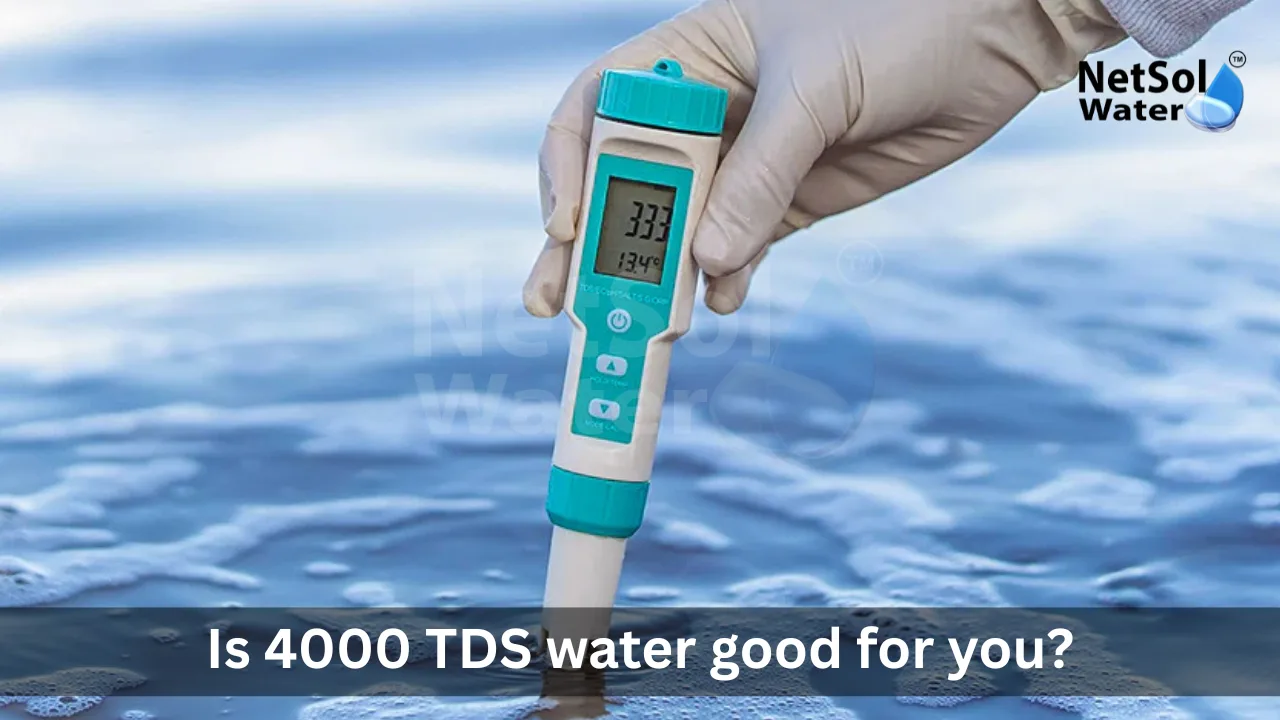
Is 4000 TDS water good for you?
High TDS water can mean many things for people who drink it and for homes that use it. TDS stands for Total Dissolved Solids. TDS counts minerals, salts, and other dissolved material in water. A reading of 4000 TDS shows that the water contains a very large amount of dissolved material. This level sits far above the usual guidance for safe drinking water in many countries. The EPA recommends a secondary limit of 500 parts per million for TDS in drinking water. The World Health Organization notes that water with TDS below about 300 mg per liter tastes excellent. Water with TDS above about 1000 mg per liter becomes increasingly unpalatable. We will explain what TDS means, why 4000 TDS is a concern, and what steps people can take to treat such water.
What TDS Means and Why It Matters
Understanding TDS matters because it tells us about the load of dissolved minerals and salts that the water carries. High TDS water can include calcium, magnesium, sodium, chloride, sulfate, and other ions. These can come from natural sources or from industrial and agricultural pollution. Measuring TDS gives a quick view of overall water quality, but it does not identify specific harmful chemicals. That is why a TDS number only forms part of a water safety check. Panels of tasters and health agencies link TDS to taste and acceptability and to the need for further testing for harmful contaminants when TDS is high.
Let us have a look at how TDS levels compare and what they mean for everyday life.
- Water under 300 TDS usually tastes clean and fresh.
- Water around 300 to 600 TDS will still taste fine for most people.
- Water above 1000 TDS will often taste salty or bitter, and people will avoid drinking it.
- Water at 4000 TDS sits well above those benchmarks, and it points to either heavy mineral content or serious contamination. This level should trigger detailed testing for specific contaminants and a plan for strong treatment before any human consumption.
1. Health Risks of Drinking 4000 TDS Water
High TDS water at 4000 mg per liter presents clear health concerns. The TDS number can hide salts that stress the body, and it can hide heavy metals and nitrates that damage organs over time. Drinking such water can upset digestion and can cause nausea and diarrhoea in some people. Chronic exposure to very salty water can stress the kidneys and can increase the risk of kidney stones in vulnerable people. When TDS includes harmful ions such as lead, arsenic, or high nitrate, the risk becomes much more serious and may cause long-term illness. Many guides warn that water above 1000 TDS is generally unfit for drinking.
2. Short-Term Effects
Short-term effects from very high TDS may show up as stomach pain, nausea, vomiting, and headache. These effects arise when mineral salts upset the balance of fluids and electrolytes in the gut. People who have weak kidneys or who take medications that affect fluid balance should avoid such water right away. Testing can show whether the TDS comes mainly from benign minerals or from harmful metals and chemicals. When tests show harmful chemicals, immediate action is necessary.
3. Long-Term Effects
Long-term use of water with very high dissolved solids can add stress to the kidneys and to the cardiovascular system. Excess sodium and chloride in drinking water can raise overall salt intake, which may worsen high blood pressure. Heavy metals that sometimes appear along with high TDS can build up in body tissues and cause organ damage over years. For these reasons, experts recommend treating or avoiding water with extremely high TDS and seeking a full water quality analysis when values reach several thousand mg per liter.
Taste Quality and Impact
Taste and smell matter for daily use and safety. High TDS water at 4000 will likely taste very salty or bitter, and many people will find it unpleasant.
The World Health Organization links higher TDS to worsening palatability and to reduced acceptance by consumers. When people avoid drinking tap water because of taste, they often turn to packaged water or to unsafe sources, which brings its own risks.
Beyond taste, the high mineral load can affect plumbing and appliances. Fixtures can clog, and scale can form on heating elements, which reduces efficiency and the life span of machines such as water heaters and washing machines. High hardness and high dissolved solids can change the way soap and detergent perform, and that will require more detergent, and that raises costs.
Let us have a look at practical household concerns and how they link to water quality.
Drinking water with extreme TDS harms human health, and that same water degrades household equipment faster. Homeowners therefore face both health and financial consequences when water quality reaches the 4000 range.
Treatment Options for 4000 TDS Water
Treating water at 4000 TDS calls for industrial-grade processes, not just a simple filter. RO remains the most reliable option to lower TDS for drinking and cooking water. For feed waters at very high TDS, the RO plants must use specialized membranes designed for brackish or seawater, and the system must include strong pretreatment to remove suspended solids, hardness, and iron. Proper selection of the membrane and correct system design shape the success of the treatment.
Let us have a look at specific steps in a treatment.
First carry out a detailed water analysis to learn the exact composition of the dissolved solids. That step guides pretreatment that can include softening to remove calcium and magnesium and filtration to protect the RO membranes.
Next, choose an RO train that fits the feed TDS level and the desired product water quality. For very high feed TDS, design the system to handle high osmotic pressure and to include periodic cleaning cycles.
Finally, plan post-treatment such as remineralization and disinfection to ensure the water meets taste and safety goals. Industry reviews show that desalination and RO for high TDS feed water need careful pre- and post-steps, or the membranes will fail early.
Learn more— Commercial RO Plant Manufacturer
Conclusion
High TDS water at the level of 4000 mg per liter is not safe for drinking without strong treatment. This level greatly exceeds accepted guidance, and it often signals either a heavy mineral load or contamination that can harm health and damage homes. If you see such readings, get a full water test and set up a treatment plan with systems designed for very high TDS. For reliable advice and solutions, Netsol Water is the leading option to consult. Contact a certified water professional to request a consultation and to learn the right next steps for your water.
Contact Netsol Water at:
Phone: +91-9650608473
Email: enquiry@netsolwater.com