How to lower TSS in wastewater?
Wastewater contains many unwanted materials that must be removed before the water can be reused or released into rivers and lakes. One of the biggest concerns in wastewater treatment is Total Suspended Solids, or TSS. These are tiny particles of dirt, sand, organic matter, food waste, and other solid materials that remain suspended in water. If TSS levels remain high, they can reduce water quality and create problems for industries, municipalities, and the environment. High TSS can also affect the performance of treatment plants and increase operating costs. That is why every treatment facility must focus on reducing suspended solids through the right treatment process.
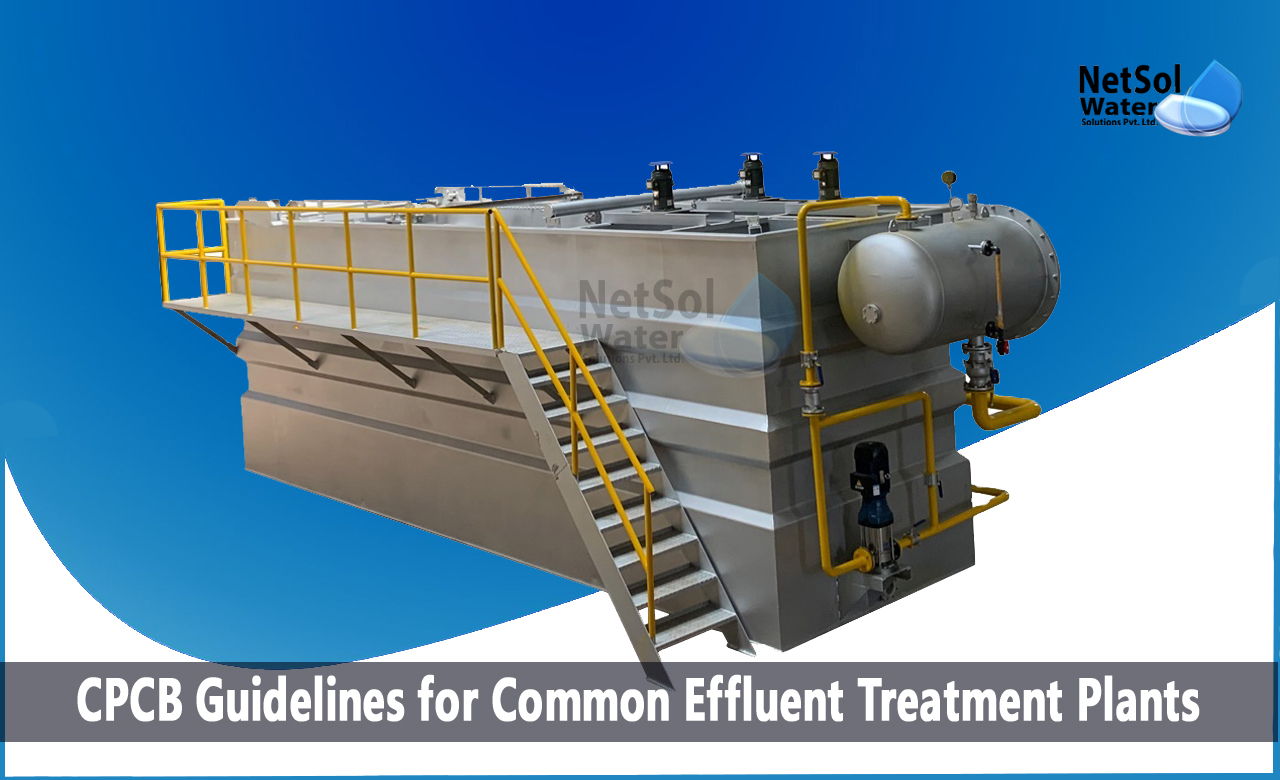
A well-designed treatment system improves water quality and helps industries meet environmental standards. A trusted wastewater treatment plant manufacturer understands these challenges and provides suitable solutions for different wastewater conditions. We are the leading wastewater treatment plant manufacturer that offers advanced treatment plants for industrial and commercial applications.
Understand the Sources of TSS before Choosing a Treatment Method
Reducing TSS begins with understanding where these suspended solids come from. Every wastewater source is different, and each one contains different types of particles. Industries such as food processing, textile, chemical, paper, and pharmaceutical manufacturing produce wastewater with varying amounts of suspended solids. Domestic wastewater also contains organic particles, soap residue, and other materials that increase TSS levels. When the source of these solids is identified, it becomes much easier to choose the right treatment process.
Let us have a look at some common sources of TSS and how they affect wastewater treatment.
1. Industrial Wastewater
Industrial processes generate wastewater that contains fibers, oils, chemicals, and fine solid particles. These materials remain suspended in water for a long time and increase TSS levels. Different industries produce different types of suspended solids. This is why every treatment system should be designed according to the nature of the wastewater. A proper analysis helps engineers select equipment that removes solids effectively while reducing operational costs.
2. Domestic Wastewater
Domestic wastewater contains food particles, soap residue, paper, fibers, and organic waste. These suspended solids can increase quickly when wastewater flows into treatment plants. If they are not removed at the early stages, they may reduce the efficiency of biological treatment systems. Proper screening and settling processes help lower the solid load before advanced treatment begins. This improves the overall performance of the treatment plant and produces cleaner water.
Use Proper Physical Treatment Processes
Physical treatment is the first and one of the most effective methods for reducing TSS. These processes remove large and small suspended particles before wastewater enters biological or chemical treatment stages. Proper physical treatment protects downstream equipment and reduces maintenance requirements. It also improves treatment efficiency by lowering the amount of suspended solids entering the next stage.
Let us have a look at some important physical treatment methods that help reduce TSS.
1. Screening and Grit Removal
Screening filters out large materials like plastic, leaves, paper, cloth, etc., from wastewater. The wastewater is then directed to grit chambers, where heavier particles, like sand, gravel, and stones, are separated from the water and collect at the bottom. These processes help safeguard the pumps and other equipment. They also help to minimize unnecessary loading of the treatment system, thereby enhancing the efficiency of the entire treatment plant.
2. Sedimentation and Clarification
Wastewater is left settling in sedimentation tanks for a period of time. In this period, heavier suspended particles settle down by their own weight, and purer water flows to the next treatment stage. Clarifiers are used to enhance this process by providing controlled flow conditions. These units can filter out a significant amount of suspended solids without resorting to expensive or complex equipment. Maintenance of sedimentation tanks provides efficient removal of TSS and good plant performance.
Improve TSS Removal with Chemical and Biological Treatment
There are certain suspended particles that are present in water that cannot be removed through physical treatment. They are tiny particles that do not settle out readily. The remaining solids can be removed by chemical and biological treatment methods. The use of these methods will lead to better water quality and make sure that the treated water complies with the discharge requirements. In combination, both treatment methods will provide improved TSS removal and better water clarity.
Let’s take a look at some of the treatment techniques to improve the removal of suspended solids.
1. Coagulation and Flocculation
Coagulation includes chemicals that will attract very small suspended particles. The particles will aggregate into larger masses in the flocculation process. When they are heavier, they have much better settling ability in clarifiers. This process will remove fine suspended solids that are not removed in normal settling. Proper chemical dosage is crucial, since it not only increases treatment efficiency but can also decrease chemical usage.
2. Biological Treatment
Biological treatment involves the use of microorganisms that are beneficial to the environment and will eat the organic matter found in wastewater. In this process, microorganisms aggregate together into biofloc, which can be easily deposited in secondary clarifiers. This not only decreases the amount of organic pollution but also decreases the amount of suspended solids. Proper oxygen levels and operating conditions keep microorganisms alive and active. Good biotreatment also helps to minimize sludge handling issues and improve water quality.
Maintain the Treatment Plant for Long-Term TSS Control
Low levels of TSS do not occur without a treatment plant. Through regular operation and maintenance, each unit can be efficiently operated during the service life. If not properly maintained, very poor treatment efficiency can result, causing an increase in the amount of suspended solids in the treated water. Regularly check and repair equipment before it becomes a problem. Maintaining the plant also lowers operating costs and extends the life of the equipment.
Let’s take a look at some maintenance practices that can assist in long-term TSS reduction.
1. Regular Equipment Inspection
Pumps, screens, blowers, and sludge handling systems should be inspected regularly by the operator. Before worn parts impair plant performance, they should be repaired and/or replaced. Frequent checking allows issues to be identified early and avoids unwanted outages. Evenly maintained equipment helps with the efficiency of each treatment process.
2. Process Monitoring and Sludge Management
Operators can maintain stable plant performance with continuous monitoring of the flow rate, TSS concentration, pH, and other operating parameters. The sludge from clarifiers should also be removed at the proper time, as excess sludge can disrupt settling and cause an increase in suspended solids in the treated water. When sludge is handled properly, it balances the treatment process and enhances overall treatment efficiency. The professional wastewater treatment plant manufacturer also gives technical guidance, which assists plant operators in consistently maintaining water quality over many years.
Read some interesting information for the Commercial RO Plant Manufacturer in Delhi
Conclusion
Lowering TSS in wastewater requires the right combination of physical, chemical, and biological treatment methods, along with proper plant maintenance. Every wastewater source has different characteristics and needs a suitable treatment solution for the best results. Regular monitoring, proper equipment maintenance, and efficient process control help maintain low suspended solid levels while improving water quality.
Choosing an experienced wastewater treatment plant manufacturer makes the entire treatment process more effective and dependable. Netsol Water is the leading wastewater treatment plant manufacturer that delivers reliable wastewater treatment solutions for different industries. Contact the team today to discuss your treatment requirements and receive expert guidance for selecting the right wastewater treatment plant for your facility.
Contact Netsol Water at:
Phone: +91-9650608473
Email: enquiry@netsolwater.com